Manufacturing inventory management software is a game changer for modern industries, streamlining operations and optimizing resources. This essential tool not only enhances operational efficiency but also plays a pivotal role in reducing costs and improving inventory accuracy. Companies across diverse sectors are embracing this technology to stay competitive in an ever-evolving market.
As manufacturing processes grow increasingly complex, the need for sophisticated inventory management solutions becomes paramount. Such software aids in monitoring stock levels, forecasting demand, and ensuring timely replenishment, thus preventing overstocking or stockouts. In this age of digital transformation, leveraging manufacturing inventory management software is not just beneficial; it’s crucial for sustainable growth and operational excellence.
The importance of manufacturing inventory management software in modern industry
In today’s fast-paced manufacturing landscape, the need for effective inventory management is more crucial than ever. Manufacturing inventory management software has emerged as a vital tool for businesses aiming to streamline their operations, improve productivity, and enhance decision-making processes. This software not only provides a central hub for tracking stock levels but also enables manufacturers to respond more effectively to market demands.
As companies strive to maintain competitiveness in a global market, the integration of advanced inventory management systems becomes essential for achieving operational excellence.Manufacturing inventory management software significantly enhances operational efficiency by automating various processes involved in inventory control. By implementing such software, manufacturers can track inventory levels in real-time, reducing the time spent on manual counting and data entry. This automation leads to fewer errors, ensuring that inventory records are accurate and up-to-date.
Additionally, the software offers comprehensive reporting features that allow managers to monitor inventory turnover rates, identify slow-moving stock, and adjust purchasing strategies accordingly.Moreover, the ability to forecast demand accurately is a game-changer for manufacturers. With integrated analytics, businesses can analyze historical data and trends to predict future inventory needs. This predictive capability helps in maintaining optimal stock levels, thereby minimizing the risk of overstocking or stockouts.
As a result, production schedules can be better aligned with market demand, leading to improved customer satisfaction and loyalty.
Cost reduction and resource optimization through inventory management software
Implementing manufacturing inventory management software leads to significant cost reduction and resource optimization. By improving the accuracy of inventory data, businesses can reduce carrying costs associated with excess stock. When inventory levels are maintained at optimal levels, manufacturers can free up valuable warehouse space and minimize the costs tied to storage, insurance, and depreciation.Additionally, the software helps in identifying and eliminating wasteful practices, such as overproduction or unnecessary handling of materials.
Through better inventory flow management, manufacturers can optimize their supply chains, leading to reduced lead times and improved cash flow. The integration of just-in-time (JIT) inventory systems, facilitated by advanced software, allows companies to order raw materials as needed, thereby reducing the capital tied up in inventory.Real-life examples of industries successfully utilizing manufacturing inventory management software highlight its effectiveness. The automotive sector, for instance, has seen significant improvements in production efficiency through software solutions that manage complex supply chains.
Companies like Toyota employ advanced inventory management systems to support their lean manufacturing principles, ensuring that components arrive precisely when needed.Similarly, the food and beverage industry relies heavily on inventory management software to monitor perishable goods. Companies such as Coca-Cola utilize these systems to keep track of production schedules and inventory levels, ensuring that products remain fresh and available to meet customer demand.
In both cases, the software not only optimizes resources but also contributes to overall profitability and sustainability in operations.
Effective inventory management software serves as the backbone of modern manufacturing, facilitating enhanced decision-making, improved efficiency, and cost-effective operations.
Key features to look for in manufacturing inventory management software
In the ever-evolving landscape of manufacturing, having effective inventory management software is crucial for optimizing operations and minimizing costs. With various options available, identifying the key features that enhance efficiency and accuracy is essential for any manufacturing business.When selecting manufacturing inventory management software, certain features stand out as essential for maintaining a streamlined inventory process. These components not only facilitate better tracking of inventory levels but also improve reporting accuracy and decision-making.
Essential features of manufacturing inventory management software
Recognizing which features are vital for an effective inventory management system can help businesses make informed decisions. Here are five crucial features to consider:
- Real-Time Inventory Tracking: This feature enables businesses to monitor inventory levels continuously, ensuring that stock is accurately accounted for at all times. It reduces the risk of stockouts and overstock situations.
- Automated Reordering: Automated reordering triggers alerts when stock levels reach predefined thresholds, facilitating timely restocking. This capability helps maintain optimal inventory levels without manual intervention.
- Multi-Location Management: For manufacturers with multiple sites, this feature allows for centralized management of inventory across all locations. It supports efficient transfers between sites and enhances visibility across the supply chain.
- Comprehensive Reporting and Analytics: Advanced reporting tools provide insights into inventory trends, turnover rates, and overall performance. This data is invaluable for making informed business decisions and optimizing inventory practices.
- Integration Capabilities: The ability to integrate with other business systems, such as ERP or accounting software, streamlines operations. Seamless integration ensures that data flows smoothly between departments, reducing errors and increasing efficiency.
Each of these features plays a significant role in improving inventory tracking and reporting. For instance, real-time inventory tracking helps prevent discrepancies, while automated reordering saves time and minimizes human error. Similarly, multi-location management supports businesses in achieving a holistic view of their inventory, which is essential for effective decision-making.
Comparison of manufacturing inventory management software options
To assist in the evaluation process, the following table provides a comparison of popular manufacturing inventory management software options based on their features:
| Software Name | Real-Time Tracking | Automated Reordering | Multi-Location Management | Reporting & Analytics | Integration Capabilities |
|---|---|---|---|---|---|
| InventoryPro | Yes | Yes | No | Advanced | ERP Integration |
| StockMaster | Yes | No | Yes | Basic | Multiple Integrations |
| ManuTrack | Yes | Yes | Yes | Comprehensive | API Access |
| SupplyChainSync | No | Yes | Yes | Standard | ERP & CRM Integration |
| SmartInventory | Yes | Yes | No | Advanced | ERP Integration |
This comparison highlights the various strengths of each software option, allowing businesses to choose the right fit based on their specific inventory management needs.
The role of technology in transforming inventory management practices
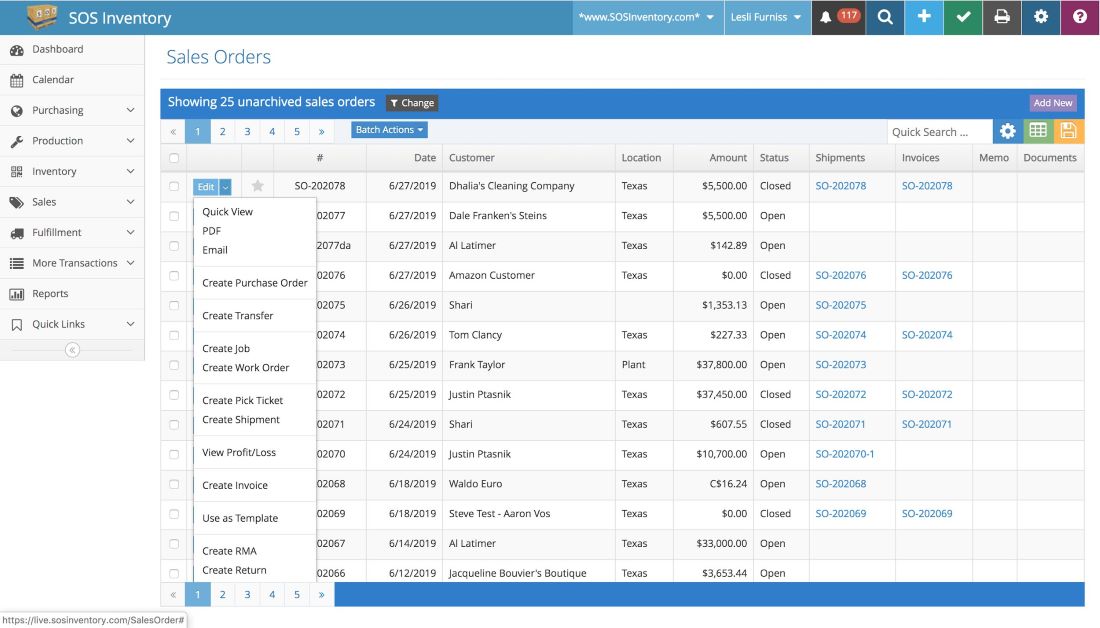
In today’s fast-paced manufacturing environment, technology plays a pivotal role in reshaping inventory management practices. The integration of advanced technologies not only streamlines processes but also enhances visibility, accuracy, and decision-making capabilities. As manufacturers face increasing demands for efficiency and responsiveness, leveraging technological advancements becomes essential for maintaining competitiveness in the industry.
Significant technological advancements in inventory management
Several technological innovations have dramatically transformed how inventory is managed in manufacturing settings. Key advancements include:
- Artificial Intelligence (AI) and Machine Learning: AI algorithms analyze historical data to predict inventory needs, helping manufacturers avoid overstocking or stockouts. For instance, companies like Amazon use sophisticated AI models to manage their vast inventory efficiently, reducing waste and ensuring timely deliveries.
- Automation: Automated systems streamline the inventory management process by using robotics and software solutions to manage stock levels and reorder supplies as necessary. For example, manufacturers like Tesla implement automation in their supply chain and inventory processes, leading to increased efficiency and decreased human error.
- Internet of Things (IoT): IoT technology allows for real-time tracking of inventory levels through connected devices and sensors. This connectivity enhances visibility across the supply chain. A notable application is seen in companies like Siemens, where IoT sensors monitor inventory conditions and levels in real-time, facilitating responsive restocking and enhancing accuracy.
Enhancing inventory accuracy and efficiency through automation and IoT
The marriage of automation and IoT technology has led to unprecedented levels of accuracy and efficiency in inventory management. Automation reduces manual errors and speeds up inventory processes, while IoT provides real-time visibility into inventory levels and conditions. This synergy allows manufacturers to make informed decisions based on accurate, up-to-date data, which is crucial for effective supply chain management.
“The integration of IoT and automation transforms traditional inventory management into a dynamic, responsive system capable of adapting to real-time demands.”
For instance, companies like Walmart utilize RFID technology in conjunction with IoT to track inventory across their vast network of stores and warehouses. This system not only improves inventory accuracy but also enhances the overall supply chain efficiency by minimizing discrepancies and streamlining restocking processes. Moreover, by using automated systems to manage inventory data, Walmart can predict stockouts and manage replenishments with remarkable precision, illustrating the transformative power of technology in inventory management.
Challenges faced when implementing manufacturing inventory management software
Implementing manufacturing inventory management software can significantly enhance operational efficiency, but the journey is often filled with various challenges. Organizations may encounter several obstacles that can hinder a smooth transition. Understanding these challenges is crucial for successful implementation and achieving the desired outcomes.One of the primary challenges faced during implementation is resistance to change. Employees accustomed to traditional methods may be hesitant to adapt to new technologies and processes.
Additionally, integrating the software with existing systems can pose technical difficulties, leading to data inconsistencies and workflow disruptions. There’s also the issue of training; inadequate training can leave staff unprepared to utilize the new software effectively. Furthermore, budget constraints can limit the resources available for a comprehensive rollout.
Common challenges and strategies for overcoming them
Addressing these challenges requires a strategic approach. Here are some common obstacles along with actionable solutions to ensure a successful implementation of manufacturing inventory management software:
Resistance to change
Employees may be resistant to adopting new technology.
*Strategy*
Engage staff early in the process to gather feedback and incorporate their insights. Offering incentives for adopting the new system can also boost morale and acceptance.
Integration with existing systems
Existing software may not easily sync with the new inventory management system.
*Strategy*
Conduct thorough compatibility assessments before implementation. Working with IT specialists to create a structured integration plan can mitigate this issue.
Insufficient training
Employees may struggle with the new software if they’re not adequately trained.
*Strategy*
Develop a comprehensive training program that includes hands-on workshops, tutorials, and ongoing support. Providing access to online resources can also facilitate continuous learning.
Budget constraints
Financial limitations may restrict the scope of implementation.
*Strategy*
Prioritize essential features for the initial rollout and plan for phased upgrades. This allows organizations to manage costs while still achieving incremental improvements.
Data migration issues
Transferring existing data into the new system can lead to inaccuracies.
*Strategy*
Implement a robust data migration plan that includes cleansing and validating data prior to transfer. Regular audits post-migration can help ensure accuracy.By being aware of these challenges and employing effective strategies, organizations can facilitate a smoother transition and maximize the benefits of their new manufacturing inventory management software.
Best practices for maximizing the benefits of inventory management software
In today’s competitive manufacturing landscape, leveraging inventory management software effectively can significantly enhance operational efficiency and cost-effectiveness. Implementing best practices is essential for companies seeking to fully harness the capabilities of their software solutions and optimize their inventory processes.One of the fundamental aspects to consider when maximizing the benefits of inventory management software is to establish a structured approach that includes regular training, updates, and feedback mechanisms.
Discover more by delving into best hr software for startups further.
These elements are crucial for ensuring that staff are well-equipped to utilize the software to its fullest potential and can adapt to changes and improvements over time.
Key practices to adopt for effective software utilization
To effectively maximize the benefits of manufacturing inventory management software, companies should adopt the following best practices:
- Regular Training Sessions: Ongoing training is vital to keep staff updated on the latest features and functionalities of the software. Regular refresher courses can enhance user proficiency, leading to better inventory management outcomes.
- Data Accuracy and Integrity: Ensuring that the data entered into the system is accurate and up-to-date is essential. This involves conducting periodic audits to verify inventory counts, which can prevent discrepancies and improve overall accuracy.
- Integration with Other Systems: For optimal performance, it is beneficial to integrate inventory management software with other systems such as ERP, CRM, and supply chain management tools. This creates a seamless flow of information across the business, enhancing decision-making.
- Utilization of Reporting Tools: Most inventory management software comes with reporting capabilities. Companies should leverage these tools to generate insights concerning inventory levels, turnover rates, and demand forecasting, allowing for data-driven decisions.
- Establish a Feedback Loop: Creating a system for receiving and implementing feedback from users is crucial. This involves regularly soliciting input on software usability, issues faced, and suggestions for improvements, ensuring that the software evolves to meet user needs.
The importance of regular training and updates for staff cannot be overstated. As software evolves, new features may be introduced that can greatly enhance functionality. Keeping staff informed and trained on these developments ensures that they can maximize the potential of the software, leading to improved efficiency and reducing the likelihood of errors.
Creating a feedback loop for continuous improvement
Establishing a feedback loop is essential for maintaining and enhancing software performance. This process involves several steps:
1. Collect User Feedback
Regularly gather insights from users about their experiences with the software. This can be done through surveys, suggestion boxes, or regular meetings where employees can discuss challenges and successes.
2. Analyze the Feedback
Review the collected feedback to identify common themes or issues. This step is crucial for understanding the areas that require improvement or additional training.
3. Implement Changes
Based on the analysis, make necessary changes to the software configurations or provide additional training sessions. This could include adjustments to how the software is used or the introduction of new features that might have been underutilized.
4. Communicate Updates
Once changes have been made, communicate these updates clearly to all users. This transparency ensures that everyone is on the same page and knows how to take advantage of new features or changes.
5. Monitor Results
After implementing changes, continue to monitor user performance and satisfaction. This will help determine if the adjustments have positively impacted the software’s effectiveness or if further modifications are needed.By following these steps, companies can create a culture of continuous improvement, making the most of their investment in inventory management software and aligning it with evolving business needs.
Future trends in manufacturing inventory management software

As the manufacturing industry continues to evolve, so too does the need for innovative inventory management solutions. The future of manufacturing inventory management software is being shaped by various emerging trends that promise to enhance efficiency, accuracy, and overall performance in supply chain operations. Understanding these trends will help businesses remain competitive and responsive to market demands.Artificial Intelligence (AI) and Machine Learning (ML) are at the forefront of transforming inventory management processes.
These technologies enable systems to learn from data and make informed decisions, significantly reducing human error and improving forecasting accuracy. Implementing AI-driven analytics can optimize stock levels, predict demand fluctuations, and streamline reorder processes. As a result, businesses can achieve greater agility in their operations, allowing for quicker adaptations to market changes.
Emerging trends shaping inventory management
Several key trends are expected to influence inventory management software in manufacturing. Recognizing these can help companies prepare and position themselves effectively in the marketplace.
- Integration of IoT devices: The Internet of Things (IoT) is revolutionizing inventory management by connecting devices and collecting real-time data from the production floor. This connectivity allows for better tracking of inventory levels, reducing instances of overstocking or stockouts.
- Cloud-based solutions: Cloud technology is becoming increasingly popular, offering flexibility and scalability for businesses of all sizes. With cloud-based inventory management, manufacturers can access their data from anywhere, facilitating remote management and collaboration across teams.
- Predictive analytics: Utilizing advanced analytics to predict future inventory needs based on historical data and market trends is becoming essential. This proactive approach minimizes risks associated with supply chain disruptions and helps maintain optimal stock levels.
- Blockchain technology: The rise of blockchain offers enhanced transparency and traceability in the supply chain. By providing a decentralized ledger, businesses can verify the authenticity and origin of products, fostering trust among suppliers and customers.
- Sustainability initiatives: Environmental consciousness is driving manufacturers to adopt sustainable practices, including optimizing inventory management to reduce waste. Companies are investing in technologies that support sustainability goals, like tracking carbon footprints and minimizing excess inventory.
Companies looking to stay ahead of the curve should consider the following strategies to adapt to these trends:
- Invest in employee training to ensure teams can effectively leverage new technologies.
- Evaluate and adopt scalable inventory management solutions that can grow with the company.
- Focus on data-driven decision-making to enhance forecasting and inventory control.
- Engage in partnerships with tech providers to stay informed about the latest innovations.
By proactively embracing these future trends, companies in the manufacturing sector can not only enhance their inventory management practices but also position themselves for long-term success.
Case studies of successful implementations of manufacturing inventory management software
The implementation of manufacturing inventory management software has transformed numerous companies’ operational efficiencies and bottom lines. This section dives into two notable case studies that showcase successful integrations of such software, highlighting the benefits achieved and key lessons learned.
Aerospace Parts Manufacturer: SkyTech Innovations, Manufacturing inventory management software
SkyTech Innovations, a leading manufacturer of aerospace components, faced significant challenges related to inventory inaccuracies and long lead times. The company implemented a comprehensive inventory management software solution tailored to their specific needs. The results were impressive:
- Increased Accuracy: Inventory accuracy improved from 75% to 98%, drastically reducing stock discrepancies.
- Reduced Lead Times: Lead times for critical components decreased by 30%, improving customer satisfaction and delivery performance.
- Cost Savings: The organization reported a 20% reduction in holding costs due to optimized stock levels.
Key takeaways from SkyTech’s experience include:
“Data-driven decisions were vital. Real-time analytics allowed us to proactively manage inventory, ensuring we always had the right parts at the right time.”
- Involve stakeholders from various departments early in the implementation process to ensure the software meets diverse needs.
- Conduct regular training sessions to keep staff updated on the software’s evolving features.
Consumer Electronics Manufacturer: TechWave Industries
TechWave Industries, a consumer electronics manufacturer, was struggling with excess inventory and stockouts that affected their sales and production schedules. They adopted a cloud-based inventory management system to streamline processes and improve visibility.The benefits experienced by TechWave included:
- Real-time Inventory Tracking: Enhanced visibility led to better tracking of inventory levels across different locations.
- Improved Forecasting: With integrated analytics, TechWave improved demand forecasting accuracy by 40%, allowing for more informed purchasing decisions.
- Enhanced Collaboration: The software facilitated better communication between supply chain partners, minimizing delays.
Lessons learned from TechWave’s journey emphasize the importance of flexible software solutions:
“The ability to adapt and scale the software as our business grew was crucial. We learned that inventory management is not a one-time fix but a continuous process.”
- Regularly review and adjust inventory management strategies based on market trends and internal data.
- Utilize software features that allow integration with existing systems to ensure seamless operation.
Ending Remarks

In conclusion, the advancement of manufacturing inventory management software is shaping the future of industrial operations. By adopting best practices and embracing new technologies, companies can overcome implementation challenges and maximize their benefits. As we look ahead, staying informed about emerging trends will be vital for businesses aiming to maintain a competitive edge in the manufacturing sector.
Top FAQs
What is manufacturing inventory management software?
It is a software solution designed to help manufacturers track inventory levels, manage stock movements, and optimize resource allocation.
How can this software reduce costs?
By improving inventory accuracy and reducing excess stock, it minimizes carrying costs and enhances cash flow.
What industries benefit from this software?
Manufacturing, retail, automotive, and pharmaceuticals are some of the industries that have successfully implemented this software.
Is training necessary for using this software?
Yes, regular training is essential for staff to ensure they are updated with the latest features and best practices.
How does technology impact inventory management?
Technological advancements like automation and IoT enhance accuracy, streamline processes, and provide real-time data for better decision-making.