hris small business sets the stage for this enthralling narrative, offering readers a glimpse into the essential role HRIS plays in the day-to-day operations of small enterprises. As small businesses navigate their unique challenges, having a tailored HRIS can make all the difference. It allows for streamlined processes, cost savings, and improved employee management, ensuring that businesses can focus on growth rather than administrative burdens.
In today’s competitive landscape, small businesses must leverage technology to thrive. An effective HRIS helps them manage human resources efficiently by automating tasks, maintaining accurate records, and providing valuable insights through data analytics. With the right system in place, businesses can enhance productivity and foster a more engaged workforce, making HRIS an indispensable tool for success in the small business arena.
Understanding the Role of HRIS in Small Businesses
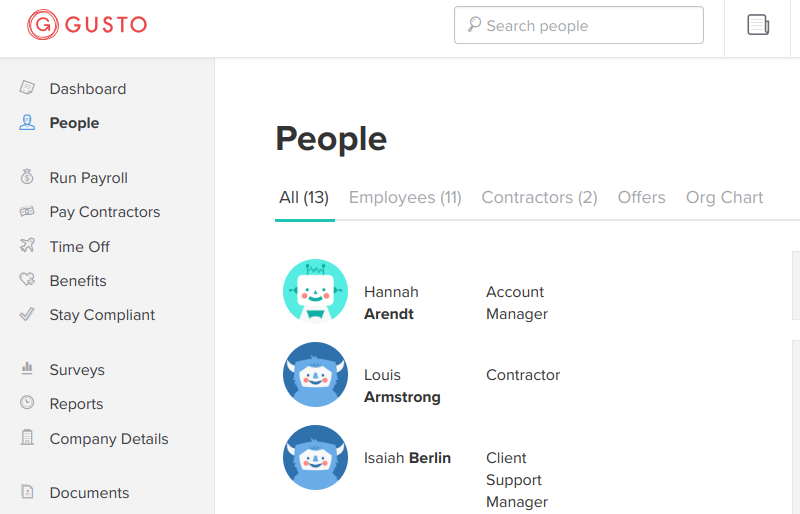
In today’s fast-paced business environment, small businesses are constantly looking for ways to optimize their operations and improve productivity. One crucial tool that can significantly aid in these endeavors is a Human Resource Information System (HRIS). These systems are designed to cater specifically to the needs of small enterprises, enabling them to manage their workforce more efficiently while keeping costs under control.HRIS systems are essential for small businesses due to their ability to centralize and streamline various HR processes.
By implementing an HRIS, small business owners can automate functions such as payroll, benefits management, and employee record tracking. This automation not only reduces the amount of time spent on administrative tasks but also minimizes the risk of human error, which can be costly in terms of both time and money. For instance, a small business that automates its payroll system can save hours of manual work each month, allowing HR personnel to focus on more strategic initiatives that drive growth.
Key Features of HRIS for Small Operations
When considering an HRIS, small businesses should focus on specific features that are particularly beneficial for their operations. These features help streamline processes, enhance efficiency, and support overall business goals.First, the payroll management function is critical for small businesses. Automating payroll not only saves time but also ensures compliance with tax regulations, avoiding penalties associated with late or incorrect filings.
Another vital feature is employee self-service portals. These portals empower employees to access their information, submit requests, and handle personal updates without HR intervention, lowering the administrative burden on HR staff. Performance management tools within HRIS can help small businesses track employee goals and achievements, fostering a culture of feedback and continuous improvement. Additionally, talent management features support recruitment and onboarding processes.
Streamlined recruitment workflows can significantly reduce the time it takes to hire new employees, ensuring that small businesses can adapt quickly to changing market demands.Lastly, robust reporting and analytics capabilities allow small businesses to make data-driven decisions regarding their workforce. This can lead to improved employee satisfaction and retention, as businesses can identify trends and respond proactively to workforce needs.Ultimately, implementing an HRIS tailored for small businesses not only streamlines operations and saves costs but also contributes to a more engaged and productive workforce.
Selecting the Right HRIS for Your Small Business

Choosing the right Human Resource Information System (HRIS) can significantly impact the efficiency and effectiveness of your small business’s HR functions. It’s essential to evaluate various options based on specific criteria that align with your business needs and growth plans. A well-selected HRIS not only simplifies HR processes but also supports strategic decision-making.When selecting an HRIS, several factors should come into play.
Here’s a detailed list of criteria that can guide your decision-making process:
Key Criteria for Selecting an HRIS
Establishing the right criteria is crucial for making an informed choice. Consider the following elements:
- Cost-Effectiveness: Assess both initial setup costs and ongoing subscription fees. Look for a solution that fits your budget while providing essential features.
- User-Friendly Interface: Opt for an HRIS with an intuitive design that minimizes the learning curve for your team.
- Scalability: Ensure the system can accommodate your business growth without requiring a complete overhaul.
- Integration Capabilities: Check if the HRIS can seamlessly integrate with existing software tools you use, such as payroll systems or time tracking apps.
- Support and Training: Consider the level of customer support and training materials available, as this can ease the transition and ongoing use.
- Compliance Features: Look for HRIS options that help maintain compliance with employment laws and regulations relevant to your industry.
- Customizability: The ability to tailor features and functionalities to meet specific business needs can enhance the HRIS’s effectiveness.
Comparing HRIS Solutions for Small Businesses
There is a multitude of HRIS solutions available, each with its unique features and strengths. Below is a comparison of some popular HRIS options that cater specifically to small businesses:
| HRIS Solution | Key Features | Target Market | Price Range |
|---|---|---|---|
| Gusto | Payroll, benefits administration, compliance | Small to medium businesses | $39/month + $6 per employee |
| Namely | Talent management, payroll, HR compliance | Mid-sized businesses | Custom pricing |
| BambooHR | Applicant tracking, performance management, employee self-service | Small to medium businesses | Custom pricing |
| Zenefits | Benefits management, compliance, HR tools | Small businesses | $10 per employee/month |
Assessing Scalability and Flexibility of an HRIS
As your business grows, so do your HR needs. It’s vital to assess how scalable and flexible an HRIS is to accommodate future developments. Consider these aspects when evaluating scalability:
- Feature Expansion: Determine if the HRIS allows you to add features or modules as your business needs evolve.
- User Capacity: Ensure the system can support an increasing number of users without a decline in performance.
- Data Management: Evaluate how the HRIS handles larger volumes of data and whether it can efficiently process increased activity.
- Custom Workflows: A flexible HRIS should allow you to create and modify workflows to adapt to changing business processes.
- Integration with New Tools: As your business grows, you may adopt additional software. Check if the HRIS can integrate easily with new systems.
Implementing HRIS in Small Business Operations

Implementing a Human Resource Information System (HRIS) is a pivotal step for small businesses aiming to streamline their HR processes. This transition not only modernizes operations but also enhances efficiency and data management. A well-planned implementation can significantly improve employee satisfaction and overall organizational performance.Successfully implementing an HRIS involves several critical steps, each contributing to a smooth transition from traditional methods to a digitized system.
Understanding these steps can help mitigate risks and ensure that the new system is adopted effectively across the organization.
Steps for Successful HRIS Implementation
The implementation process of an HRIS can divide into key phases that ensure systematic progression. Each phase plays a vital role in laying the foundation for a successful deployment. The following steps Artikel this process:
- Needs Assessment: Identify specific HR needs and objectives that the new HRIS must fulfill. This phase involves engaging with stakeholders to gather requirements and expectations.
- Budgeting and Resource Allocation: Determine the financial resources needed for the HRIS, including software costs, training, and potential system upgrades. Allocate necessary human resources for the project.
- Vendor Selection: Research and evaluate various HRIS vendors based on features, scalability, customer support, and budget alignment. Involve key team members in the selection process for diverse perspectives.
- System Configuration: Work with the chosen vendor to customize the HRIS to meet your business needs. This includes setting up modules such as payroll, benefits, and performance management.
- Data Migration: Transfer existing employee data into the new system carefully. Validate the accuracy of the data post-migration to ensure reliability.
- Training and Change Management: Provide comprehensive training for all users to facilitate smooth adaptation. Implement change management strategies to address any resistance and encourage buy-in from employees.
- Go-Live and Support: Launch the HRIS and monitor its performance closely. Ensure ongoing support is available to troubleshoot any issues and provide guidance as users acclimate to the new system.
Challenges and Strategies for Overcoming Them
While implementing an HRIS offers numerous benefits, several challenges may arise during the process. Recognizing these obstacles early can help businesses strategize effectively to overcome them. Common challenges include:
Resistance to change is a natural human reaction; addressing it proactively can mitigate disruptions.
- Resistance to Change: Employees may be hesitant to adopt the new system. To counter this, involve them early in the process, provide clear communication about the benefits, and offer ongoing support.
- Insufficient Training: Lack of proper training can lead to underutilization of the HRIS. Ensure that training sessions are comprehensive, tailored to various user levels, and include hands-on practice.
- Data Integration Issues: Integrating existing data into the new system can be complex. Establish a detailed data migration plan and conduct thorough testing to identify and resolve issues before the go-live date.
- Budget Overruns: Unexpected costs can arise, threatening project viability. Keep a close eye on budget reports and be prepared to adjust as needed to avoid overspending.
HRIS Implementation Timeline for Small Businesses
A well-structured timeline can guide small businesses through the HRIS implementation process smoothly. The following timeline highlights key milestones and their typical durations.
| Phase | Estimated Duration | Description |
|---|---|---|
| Needs Assessment | 1-2 Weeks | Gather requirements and define objectives with stakeholders. |
| Budgeting | 1 Week | Determine and allocate necessary resources and funding. |
| Vendor Selection | 2-4 Weeks | Research, demo, and select an HRIS vendor. |
| System Configuration | 2-3 Weeks | Customize the HRIS to align with business needs. |
| Data Migration | 2-3 Weeks | Transfer and validate existing employee data. |
| Training | 1-2 Weeks | Conduct training sessions for all users. |
| Go-Live | 1 Week | Launch the HRIS and provide ongoing support. |
Training Employees on Using HRIS Effectively
Training employees to effectively utilize a Human Resource Information System (HRIS) is essential for maximizing its benefits in small businesses. A well-structured training program not only enhances employee productivity but also fosters a culture of continuous learning and adaptation to new technologies. Implementing an HRIS involves more than just installation; it requires a dedicated effort to ensure that all users are comfortable and proficient with the system.
A comprehensive training program helps employees understand the various features of the HRIS, how to navigate the interface, and how to leverage its capabilities to streamline HR processes.
Organizing a Training Program Focused on HRIS Features
Creating an effective training program involves several key steps that focus on the specific features of the HRIS. First, it’s important to assess the existing knowledge of your staff regarding HRIS tools. This helps in tailoring the training content to their needs. Next, the training should cover:
- Basic navigation of the HRIS interface
- Accessing and managing employee records
- Utilizing self-service functionalities
- Generating standard reports and analytics
- Understanding compliance features and updates
Incorporating a mix of instructional methods can enhance engagement. Consider using hands-on workshops where employees can practice using the system, paired with interactive webinars for remote employees. Additionally, recognize that learning styles differ, so include visual aids, such as flowcharts and presentations, to cater to various preferences.
Creating User-Friendly Manuals or Guides
User manuals or guides are essential resources for employees as they navigate the HRIS. A well-crafted guide can significantly reduce the reliance on IT support and empower employees to solve basic issues independently. To create user-friendly manuals, consider the following tips:
- Use simple, clear language that avoids technical jargon.
- Incorporate step-by-step instructions with screenshots for visual learners.
- Highlight common issues and troubleshooting steps in an FAQ section.
- Provide quick-reference sheets for frequently used features.
- Ensure the manuals are easily accessible, either digitally or in print.
Including real-life scenarios and examples within the guides can help employees relate better to the content and understand its practical applications.
Importance of Ongoing Support and Training, Hris small business
The HRIS landscape evolves continually, and ongoing training is vital to keep employees updated on new features and improvements. Regular refresher courses and training sessions can help staff adapt to changes, ensuring they remain confident and competent in using the system. Providing ongoing support can take various forms, such as:
- Establishing a dedicated helpdesk or support team for HRIS-related inquiries.
- Scheduling regular training updates whenever the HRIS undergoes significant upgrades.
- Encouraging feedback from employees to identify areas where additional support or training might be needed.
- Creating an internal community or forum for users to share tips and best practices.
By fostering a culture of continuous learning and support, small businesses can ensure that employees not only utilize the HRIS effectively but also contribute to its continual improvement and optimization.
Evaluating the Success of HRIS in Small Businesses: Hris Small Business
Measuring the success of a Human Resource Information System (HRIS) in small businesses is crucial to ensure that the investment translates into benefits for the organization. By evaluating performance indicators and gathering feedback, businesses can make informed decisions on how to enhance their HRIS strategy effectively.Understanding key performance indicators (KPIs) provides valuable insights into how well the HRIS is functioning in relation to the business’s overall goals.
These metrics inform business owners not only about the effectiveness of the system but also about areas that may need improvement.
Key Performance Indicators for HRIS Success
Certain KPIs can be particularly useful for assessing the effectiveness of HRIS in a small business context. These include:
- Employee Turnover Rate: A decrease in turnover can indicate improved employee satisfaction and engagement due to effective HRIS features.
- Time to Hire: Measuring the duration from job posting to hiring can highlight the efficiency of the HRIS in streamlining recruitment processes.
- Cost per Hire: Evaluating the expenses associated with hiring processes, an effective HRIS can help reduce these costs by automating tasks.
- Employee Satisfaction Scores: Regularly surveying employees can reveal their perceptions of HRIS usability and overall satisfaction with HR processes.
- Compliance Metrics: Tracking compliance with labor laws and regulations can demonstrate how well the HRIS supports organizational adherence to legal standards.
Collecting feedback from employees is essential to understand their experiences with the HRIS. Engaging with staff members can uncover both strengths and weaknesses in the system, leading to potential enhancements.
Methods for Collecting Employee Feedback
To ensure comprehensive feedback regarding the HRIS experience, small businesses can implement various methods. These may include:
- Surveys: Create periodic surveys to gauge employee satisfaction and gather insights on specific HRIS features.
- Focus Groups: Organize discussion groups where employees can express their opinions and share experiences regarding the HRIS.
- One-on-One Interviews: Conduct interviews with selected employees to obtain in-depth feedback on their HRIS experiences.
- Suggestion Boxes: Provide a platform for anonymous feedback, allowing employees to voice concerns or suggestions regarding the HRIS.
- Usage Analytics: Analyze system usage data to identify areas where employees may be struggling or underutilizing features.
After evaluating the performance of the HRIS and gathering employee feedback, it becomes essential to adjust the HRIS strategy accordingly. Adapting the system based on this information can enhance its effectiveness and overall employee experience.
Adjusting HRIS Strategy Based on Evaluations
Fine-tuning the HRIS strategy is vital for ongoing improvements. Small businesses can consider the following adjustments based on performance evaluations and feedback received:
- Feature Enhancements: Prioritize upgrades or new features that directly respond to employee needs or difficulties identified through feedback.
- Training Programs: Develop targeted training sessions to address specific areas where employees feel less confident or knowledgeable.
- User Experience Improvements: Simplify navigation or interface design based on employee suggestions to enhance usability.
- Policy Revisions: Update HR policies that may be leading to confusion or dissatisfaction among employees, ensuring they align with HRIS capabilities.
- Regular Review Cycles: Establish a routine schedule for assessing the HRIS performance and integrating continuous feedback into the strategy.
By systematically evaluating the HRIS effectiveness and actively seeking employee input, small businesses can create a responsive HR environment that fosters engagement and satisfaction.
The Future of HRIS Technology for Small Businesses
As we look ahead, the landscape of HRIS technology is evolving rapidly, presenting numerous opportunities for small businesses to enhance their operations and improve workforce management. With advancements in technology and changing workforce dynamics, small enterprises can leverage new tools and methodologies that not only streamline HR tasks but also contribute to organizational growth and employee satisfaction.The integration of emerging technologies in HRIS systems is becoming crucial for small businesses aiming to remain competitive.
One of the most notable trends involves the incorporation of artificial intelligence (AI) and automation. These innovations are transforming traditional HR functions, making them more efficient and less prone to human error. AI-powered HRIS can analyze vast amounts of data, providing insights that enable informed decision-making and strategic planning.
Impact of Artificial Intelligence and Automation on HRIS Functionalities
The influence of artificial intelligence and automation on HRIS systems is profound, particularly for small businesses that often operate with limited resources. The following points highlight key benefits of these technologies:
- Streamlined Recruitment Processes: AI can automate candidate screening, matching résumés to job descriptions, and identifying the best-fit candidates quickly, thereby reducing the time-to-hire.
- Enhanced Employee Engagement: AI chatbots can facilitate employee queries about HR policies, benefits, and payroll in real-time, improving satisfaction and efficiency.
- Data-Driven Insights: AI tools can analyze employee performance data and predict turnover risks, enabling proactive measures to retain talent.
With automation taking over repetitive tasks, HR professionals can focus on strategic initiatives that contribute to the overall success of the organization. This shift not only improves productivity but also fosters a more engaged workforce.
Evolution of Cloud-Based Solutions for Small Enterprises
Cloud technology is set to revolutionize how small businesses manage HR functions. As cloud-based HRIS solutions continue to evolve, several trends are anticipated to emerge:
- Increased Accessibility: Cloud solutions will allow employees and managers to access HR platforms from anywhere, promoting flexibility and remote work arrangements.
- Cost-Effective Scalability: Small businesses can scale their HRIS capabilities without significant upfront investments, paying only for the features they need as they grow.
- Improved Data Security: Advanced security measures in cloud computing will ensure that sensitive employee data is protected against breaches, enhancing trust and compliance.
The shift to cloud-based solutions not only allows for real-time data updates but also promotes collaboration among teams, enabling small businesses to respond quickly to changing workforce needs.
“The future of HRIS technology signifies a shift towards smarter, more efficient, and user-friendly solutions that empower small businesses to thrive in an ever-evolving marketplace.”
Closing Notes
In summary, implementing an HRIS in small businesses is not just a trend; it’s a necessity for efficiency and scalability. By understanding its features, selecting the right system, and ensuring proper training and evaluation, small enterprises can unlock their full potential. As technology continues to evolve, staying ahead with an adaptable HRIS will keep small businesses competitive and ready for the future.
Question & Answer Hub
What is HRIS?
HRIS stands for Human Resource Information System, a software solution for managing HR functions.
Why do small businesses need HRIS?
HRIS helps small businesses streamline HR processes, save time, and reduce costs.
How do I choose the right HRIS?
Consider factors such as features, scalability, user-friendliness, and pricing when selecting an HRIS.
Can HRIS improve employee engagement?
Yes, HRIS can enhance communication and accessibility for employees, boosting engagement and satisfaction.
What common challenges arise when implementing HRIS?
Challenges include resistance to change, lack of training, and integration issues with existing systems.