hr software for small companies is a game-changer, providing essential tools that can revolutionize how small businesses manage their human resources. In today’s fast-paced business environment, having the right software can significantly enhance efficiency, improve employee engagement, and ensure compliance with labor laws, making it an invaluable asset for any small company. This article explores the vital features and benefits of HR software, the cost considerations involved, and how it can transform recruitment and employee interactions.
From streamlining recruitment processes to safeguarding sensitive data, HR software not only addresses the unique challenges faced by smaller enterprises but also positions them for growth in an increasingly competitive landscape. As we dive deeper into this topic, we will uncover the impact of HR software on operational efficiency, employee satisfaction, and overall business success.
The fundamental features of HR software tailored for small companies
HR software designed for small companies is essential for streamlining processes and improving workforce management. These tools help businesses efficiently manage their most critical asset—their employees—by automating routine tasks, ensuring compliance, and enhancing communication. By integrating these features, small companies can focus more on their core operations while maintaining an engaged and productive workforce.The core features of HR software play a pivotal role in enhancing the efficiency of HR processes.
Key functionalities such as employee onboarding, performance management, and payroll processing enable small businesses to operate smoothly without the burden of manual administration. With the right HR software, small companies can expect to reduce time spent on documentation, minimize errors, and facilitate better employee engagement.
Essential Features of HR Software
Several foundational features should be integrated into HR software for small companies, each contributing to improved management and operations. Understanding these features helps businesses select the right tools for their unique needs.
- Employee Database Management: Centralized storage of employee records simplifies access to vital information, from personal details to performance metrics, enabling easier compliance with labor laws.
- Payroll Management: Automated payroll systems minimize errors and ensure employees are paid accurately and on time, which is crucial for maintaining morale and compliance with regulations.
- Onboarding Tools: Streamlined onboarding processes assist in integrating new hires into the company efficiently, reducing turnover rates and enhancing employee satisfaction from day one.
- Performance Tracking: Tools for setting goals and tracking employee performance facilitate regular feedback and development conversations, which can lead to improved productivity.
- Time and Attendance Tracking: Automated time tracking helps in monitoring employee hours, reducing time theft, and ensuring compliance with working hour regulations.
- Reporting and Analytics: Comprehensive reporting tools assist in analyzing workforce trends, helping businesses make data-driven decisions that align with their strategic goals.
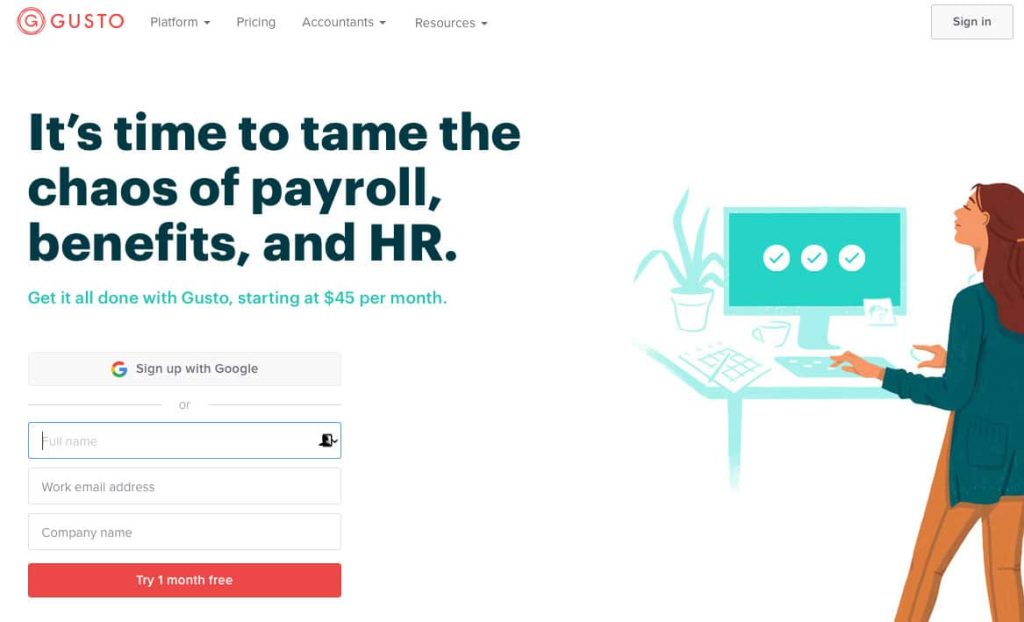
Popular HR software packages that incorporate these features effectively include Gusto, which offers payroll and benefits management, and BambooHR, known for its user-friendly interface and powerful employee database functionalities. Both platforms exemplify how tailored HR software can cater to the specific needs of small businesses, enhancing their operational efficiency and employee experience.
“Investing in HR software not only saves time but also allows small businesses to focus on building a strong company culture and improving overall productivity.”
The cost-benefit analysis of implementing HR software in small businesses
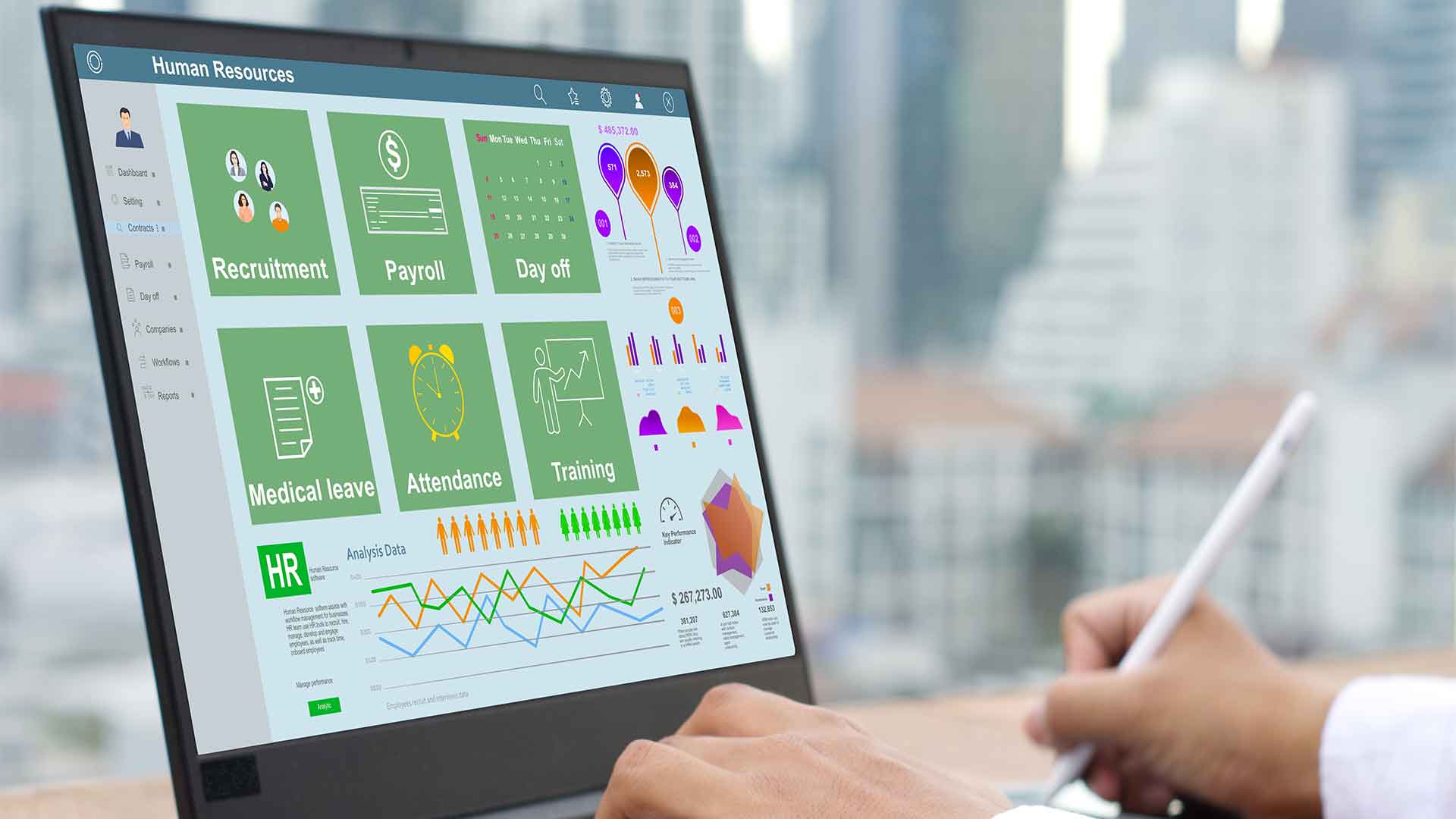
Implementing HR software can be a pivotal decision for small businesses, offering an array of potential benefits while also presenting certain costs. Understanding the financial landscape of this investment is crucial for small companies looking to optimize their human resource operations. This analysis will delve into the potential costs associated with adopting HR software versus the expected benefits, alongside real-world examples and a comparison of popular HR solutions.
Costs and Expected Benefits
The decision to implement HR software often hinges on a careful assessment of costs against the anticipated benefits. The costs can include initial setup fees, monthly or annual subscription charges, employee training expenses, and ongoing maintenance costs. While these expenses can vary significantly based on the chosen software, they typically range from a few hundred to several thousand dollars annually.On the benefits side, HR software can streamline recruitment, enhance employee onboarding, automate payroll, ensure compliance with labor laws, and improve employee engagement through self-service portals.
According to a study by the Society for Human Resource Management, companies that adopted HR software reported a 20-30% reduction in administrative time spent on HR tasks, allowing teams to focus on strategic initiatives instead.
“Investing in HR software can lead to a significant return on investment, with companies experiencing time savings that translate into financial gains.”
Case Studies of Successful Implementations
Real-life examples of small businesses that have successfully implemented HR software can illustrate the financial outcomes and benefits of such a transition. For instance:
1. A Local Retail Store
After implementing an HR software solution, this store reported a 25% reduction in payroll processing time, resulting in annual savings of approximately $5,000. The automated onboarding process also decreased new hire training time by 40%.
2. A Small Marketing Agency
By adopting HR software, the agency streamlined its hiring process, cutting recruitment costs by 50%. The software enabled better tracking of applicants, ultimately leading to faster hiring times and improved employee retention.
3. A Family-Owned Construction Business
Following the integration of HR software, this business was able to better manage compliance with labor regulations, avoiding potential fines. The time saved on administrative tasks allowed the owner to focus on business growth, resulting in a 15% increase in revenue within one year.
Comparison of HR Software Solutions
When exploring HR software options, it is essential to compare pricing models and features. The following table summarizes three popular HR software solutions tailored for small businesses:
| HR Software Solution | Pricing Model | Key Features |
|---|---|---|
| Gusto | Starts at $39/month + $6/employee | Payroll, benefits administration, employee onboarding, compliance tools |
| Zenefits | Starts at $10/employee/month | HR management, benefits, payroll, employee self-service |
| BambooHR | Custom pricing (average $99/month for up to 12 employees) | Applicant tracking, employee records, reporting, onboarding |
This table highlights the varying pricing models and key features, allowing small businesses to evaluate which solution aligns best with their needs and budget. Investing in HR software can lead to enhanced efficiency, reduced costs, and ultimately, a healthier bottom line for small businesses willing to embrace the digital transition.
The role of HR software in enhancing employee engagement in smaller companies
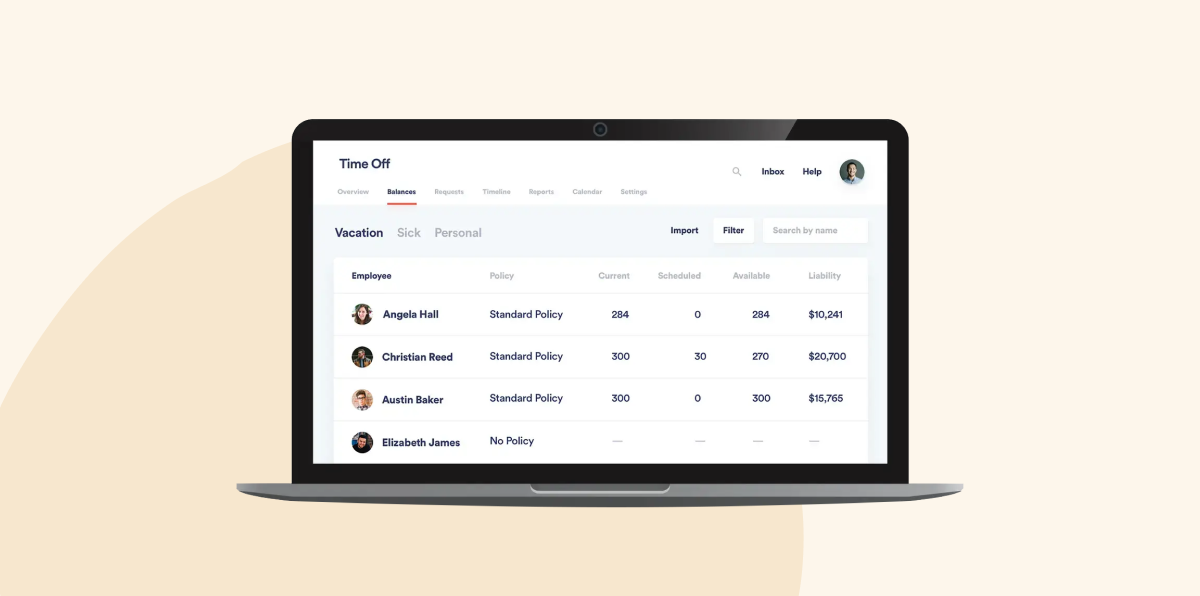
In small organizations, employee engagement is crucial for fostering a motivated and productive workforce. HR software plays a significant role in streamlining engagement strategies by providing tools that enhance communication, feedback, and overall employee satisfaction. By leveraging technology, smaller companies can create a more connected workplace that values each employee’s contributions.HR software offers a variety of functionalities specifically designed to improve engagement.
These features help facilitate communication and feedback between management and employees, ensuring that everyone feels heard and valued. For instance, integrated messaging systems and employee portals allow for real-time communication, making it easier to share updates, policies, or simply to touch base.
Functionalities that enhance communication and feedback
To cultivate a culture of open dialogue, HR software includes several key functionalities that provide platforms for interaction and feedback. The following features are instrumental in achieving this goal:
- Employee Self-Service Portals: These portals allow employees to access their personal information, submit requests, and provide feedback directly. This creates a sense of ownership and involvement in the organization.
- Performance Management Tools: Regular performance reviews and feedback mechanisms can be integrated into the software, enabling continuous dialogue between managers and employees. This promotes transparency and helps employees stay aligned with company goals.
- Survey and Polling Features: HR software often includes tools for conducting surveys and polls to gauge employee sentiment on various topics, from workplace culture to benefits. This direct line of feedback allows businesses to make informed decisions based on employee input.
Measuring employee engagement levels is essential for understanding the effectiveness of these strategies. HR software comes equipped with analytical tools that can track engagement metrics over time, revealing insights into employee satisfaction and areas needing improvement.
Methods to measure employee engagement
Implementing HR software allows smaller companies to efficiently measure employee engagement through various methods, collecting valuable data that can guide management strategies. Here are some effective ways to gauge engagement levels:
- Engagement Surveys: Regularly scheduled surveys can assess overall satisfaction and engagement levels. For instance, utilizing the software to dispatch quarterly surveys enables tracking trends over time.
- Pulse Surveys: These shorter, more frequent surveys provide immediate insights into employee feelings about specific initiatives or changes within the organization, allowing for quick adjustments to maintain engagement.
- Analytics Dashboards: Many HR software solutions feature dashboards that visualize engagement data, showing metrics like employee turnover rates, attendance, and feedback scores in real time, aiding in strategic planning.
By utilizing these functionalities and measurement techniques, small companies can foster a more engaged workforce, ultimately leading to better retention, improved performance, and a more harmonious workplace culture.
The importance of data security in choosing HR software for small companies
Selecting the right HR software for small companies goes beyond just functionality and usability; data security is a critical component that should never be overlooked. As businesses increasingly rely on digital solutions to manage sensitive employee information, ensuring that this data is protected from breaches and unauthorized access is paramount. Small organizations, often with limited IT resources, must prioritize security to safeguard their operations and build trust within their workforce.Data breaches can have devastating implications for small businesses.
A compromised system can lead to identity theft, financial loss, and reputational damage, which could ultimately threaten the business’s survival. Effective HR software acts as a frontline defense against these risks by incorporating robust security measures designed to protect sensitive information. Consequently, small companies can operate with confidence knowing that their employee data is secured.
Key data security features for HR software
When evaluating HR software, small companies should look for specific data security features that are essential for protecting sensitive employee information. These features not only enhance security but also ensure compliance with regulations.
- Data Encryption: Ensure the software encrypts data both in transit and at rest to prevent unauthorized access.
- User Authentication: Look for multi-factor authentication options to add an extra layer of security when accessing the system.
- Access Controls: Implement role-based access to ensure that only authorized personnel can view or edit sensitive information.
- Regular Security Audits: Choose software providers that conduct regular security assessments and penetration testing to identify vulnerabilities.
- Data Backup and Recovery: Ensure the software includes automated data backup solutions and a clear disaster recovery plan to mitigate data loss in case of incidents.
- Compliance Standards: Confirm that the HR software adheres to relevant compliance standards, such as GDPR or HIPAA, depending on the industry.
Implications of data breaches for small businesses
The implications of data breaches can be severe for small businesses. Beyond immediate financial impacts, such as loss of revenue and potential legal fees, the long-term effects include loss of customer trust and damage to brand reputation. Recovering from a data breach is often more costly than preventing one, making it vital for small companies to invest in secure HR software.
“The cost of a data breach is estimated to be around $3.86 million on average, highlighting the importance of preventative measures.”
Best practices for maintaining data security within HR software
To effectively maintain data security within HR software systems, small enterprises should adopt best practices that promote a culture of security awareness among employees.
- Employee Training: Regularly train employees on data security practices, including recognizing phishing attempts and secure password management.
- Software Updates: Ensure the HR software is always up-to-date to protect against known vulnerabilities.
- Incident Response Plan: Develop and maintain a comprehensive incident response plan to quickly address any security breaches or data leaks.
- Monitor Access Logs: Regularly review access logs to detect any unauthorized access or suspicious activities.
- Limit Data Collection: Only collect and store necessary employee information to minimize risk exposure.
How HR software can streamline recruitment processes for small companies
Recruitment is a critical function for small businesses, where the right hires can significantly impact growth and culture. HR software offers innovative solutions to simplify and enhance these processes, making it easier for smaller companies to attract and retain top talent.HR software can simplify recruitment in various ways, enabling small businesses to manage the hiring process more efficiently. By automating tasks such as job postings, candidate tracking, and communication, HR software reduces the administrative burden often associated with recruitment.
This technology can centralize applicant information, allowing HR teams to make informed decisions more quickly. Furthermore, the use of analytics can help in identifying the most effective recruitment channels and refining job descriptions for better applicant quality.
Comparison of Traditional Recruitment Methods and Modern HR Software Solutions, Hr software for small companies
Traditional recruitment methods typically involve manual processes such as posting job ads on bulletin boards, sifting through paper resumes, and conducting in-person interviews without systematic organization. These approaches can be time-consuming and prone to human error. In contrast, modern HR software solutions streamline these processes by offering features such as:
- Automated Job Posting: HR software allows companies to post job openings across multiple platforms with a single click, maximizing visibility and reach.
- Applicant Tracking Systems (ATS): An ATS helps manage resumes and applications in a structured format, allowing for easier comparison and decision-making.
- Collaborative Hiring Tools: With shared access to candidate profiles, team members can leave comments and feedback, facilitating a more collaborative hiring process.
- Data-Driven Insights: HR software provides analytics on recruitment efforts, helping small businesses understand what works best and adjust strategies accordingly.
Designing an Effective Recruitment Workflow Using HR Software
Creating a structured recruitment workflow is essential for attracting top talent. HR software can guide small businesses in developing a streamlined process. A well-designed workflow typically includes the following steps:
1. Job Requisition Approval
Determine the need for the position and get the necessary approvals.
2. Job Description Creation
Use templates to create clear and engaging job descriptions that attract the right candidates.
3. Posting and Promotion
Utilize the software to distribute the job opening to various job boards and social media channels.
4. Application Collection and Screening
Automate resume collection and initial screening to identify the most qualified candidates.
5. Interview Scheduling
Use the integrated calendar features to streamline the scheduling of interviews with candidates.
6. Feedback and Decision Making
Allow team members to provide feedback within the software, aiding in a quicker decision-making process.Implementing these steps using HR software not only saves time but also enhances the candidate experience, making it crucial for small companies looking to stand out in a competitive job market.
“Streamlined recruitment processes lead to faster hiring times and a better fit for company culture.”
The impact of HR software on compliance with labor laws for small businesses: Hr Software For Small Companies
Navigating the complex landscape of labor laws can be particularly challenging for small businesses, which often lack the resources to dedicate to compliance efforts. HR software serves as a crucial ally in this endeavor, equipping small companies with the tools necessary to adhere to regulations that govern employee rights, workplace safety, and fair labor practices. By automating compliance processes, HR software not only helps mitigate risks but also fosters a culture of accountability and transparency within the organization.With various laws and regulations constantly evolving, having an effective HR software solution can significantly simplify the compliance landscape for small businesses.
Such software typically includes features designed to keep businesses informed about federal, state, and local labor laws. These features can include automated alerts for regulatory changes, essential record-keeping functionalities, and training modules for employees to ensure they understand their rights and responsibilities.
Compliance Features in HR Software
HR software should encompass several key compliance features that aid small businesses in staying on the right side of the law. These features can provide vital support in preventing legal issues and ensuring workforce adherence to regulations. Here are some essential compliance functionalities to look for:
- Automated Tax Calculations: Accurate tracking and reporting of payroll taxes are critical. HR software can automatically calculate appropriate withholdings based on employee classifications and ensure timely submissions to avoid penalties.
- Document Management: A robust document management system allows for the secure storage of essential employee records, such as I-9 forms and performance reviews, ensuring they are readily accessible during audits.
- Training and Certification Tracking: Many industries require specific training or certifications. HR software can help track employee training schedules and ensure that all staff are compliant with necessary regulations.
- Time and Attendance Management: Accurate time tracking aids in compliance with wage and hour laws. HR software can monitor employee hours and overtime, helping prevent wage discrepancies.
- Policy Management: HR software can help disseminate workplace policies to employees, ensuring that everyone understands compliance requirements and the company’s expectations.
The repercussions of non-compliance can be severe, impacting a small business’s financial standing and reputation. Non-compliance can lead to hefty fines, legal action, and loss of trust among employees. HR software plays a crucial role in averting these potential pitfalls by proactively managing compliance tasks and keeping businesses informed of their obligations. By leveraging these tools, small companies can not only protect themselves from legal risks but also create a more engaged and knowledgeable workforce.
“Compliance is not just about avoiding penalties; it’s about building a culture of integrity and respect within your organization.”
The customization options available in HR software for small companies
The landscape of HR software is diverse, particularly for small companies that require flexibility to adapt to their unique workforce needs. Customization options in HR software are crucial for tailoring the system to fit the company’s specific processes, culture, and operational requirements. By selecting software that offers various customization capabilities, small businesses can enhance productivity, improve employee experience, and ultimately drive better results.Different HR software solutions provide a range of customization capabilities, enabling small businesses to modify features according to their specific needs.
Some key aspects of customization include user interface modifications, tailored reporting options, and the ability to create custom workflows. Customization is essential for small businesses because it allows them to implement a system that aligns with their business model rather than forcing them to adapt to a one-size-fits-all solution. This level of personalization not only enhances usability but also promotes employee engagement and satisfaction.
Examples of successful HR software customization in small businesses
Numerous small businesses have successfully customized their HR software to fit their unique requirements, leading to tangible benefits. For instance, a small marketing agency implemented a project management feature within their HR software, allowing easy tracking of employee workloads and project timelines. This customization improved team collaboration and project delivery times.Another example involves a local restaurant that integrated a scheduling module into their HR system.
By customizing their software to manage shift patterns based on employee availability, they saw a significant reduction in scheduling conflicts, enhancing employee morale and operational efficiency.These examples illustrate how tailored HR software can directly meet the unique needs of a small company’s workforce, providing not just a tool for administration but a strategic partner in fostering a more engaged and productive workplace.
Custom solutions empower small businesses to address their specific challenges and capitalize on opportunities for growth.
The future trends of HR software usage in small companies
As small businesses navigate an evolving landscape, the demand for innovative HR solutions continues to grow. The future of HR software is marked by significant trends that promise to reshape the way small companies manage their human resources. Understanding these trends can empower businesses to make strategic choices that enhance efficiency, compliance, and employee engagement.With the rapid advancement in technology, current trends highlight a shift towards more integrated, intelligent HR solutions.
The integration of AI and automation into HR software is increasingly vital for small companies looking to streamline their operations. As these technologies mature, small businesses will find themselves better equipped to tackle HR challenges with greater ease and effectiveness.
Integration of AI and Automation in HR Software
The increasing incorporation of artificial intelligence and automation in HR software not only boosts efficiency but also enables small businesses to leverage data-driven insights. These tools can simplify various HR tasks, from recruitment to employee management, making them essential for modern HR practices.
Recruitment Automation
AI-driven recruitment tools can screen resumes and identify the best candidates, significantly reducing the time spent on initial hiring stages. For instance, companies like HireVue utilize AI to analyze video interviews, which aids in faster decision-making.
Employee Performance Tracking
Automated systems can provide real-time analytics on employee performance, helping managers to make informed decisions regarding promotions, training, and development.
Predictive Analytics
By analyzing employee data, AI can help predict turnover rates and identify potential issues before they escalate. This proactive approach enables small businesses to implement retention strategies effectively.As small companies adopt these technologies, they can expect improved accuracy in HR functions, leading to enhanced overall productivity.
Emerging Technologies in HR Software Advancements
The landscape of HR technology is rapidly evolving, with several emerging technologies poised to make a significant impact on small businesses. Keeping an eye on these innovations can help organizations stay ahead of the curve.The following technologies are worth watching:
Blockchain
As a secure way to verify employee credentials and track employment history, blockchain can greatly enhance the reliability of HR processes.
Mobile HR Applications
With remote work on the rise, mobile-friendly HR software allows employees to access essential HR functions on-the-go, improving engagement and satisfaction.
Virtual Reality (VR) for Training
VR is becoming an effective tool for employee training and onboarding, offering immersive experiences that enhance learning retention.
Chatbots
These AI-driven tools can manage routine HR inquiries, freeing up HR personnel to focus on more complex issues, thereby improving efficiency.By embracing these advancements, small companies can not only enhance their HR practices but also create a more engaging workplace for their employees. The future of HR software holds tremendous promise, signaling a shift towards more integrated and intelligent solutions designed to cater to the unique needs of small businesses.
Final Wrap-Up
In conclusion, embracing hr software for small companies is no longer just an option; it’s a necessity for those looking to thrive in a challenging business environment. The advantages it offers, from improved engagement to enhanced compliance capabilities, can lead to significant long-term benefits. As small businesses continue to evolve, investing in the right HR tools will not only streamline processes but also empower their workforce, paving the way for sustained success.
Essential Questionnaire
What are the key features of HR software for small companies?
Key features include employee data management, time and attendance tracking, payroll processing, and recruitment management.
How much does HR software typically cost for small businesses?
Costs can vary widely based on the features offered, with basic packages starting around $10 per employee per month.
Can HR software help with employee retention?
Yes, by improving communication and providing tools for feedback and recognition, HR software can enhance employee satisfaction and retention.
Is HR software secure for handling sensitive data?
Most HR software solutions include robust security features, but it’s essential to choose providers that comply with data protection regulations.
How can small businesses measure the ROI of HR software?
ROI can be measured through improved efficiency, reduced hiring costs, and enhanced employee productivity over time.