HR management software for small business is transforming the way entrepreneurs handle their human resources. By automating essential HR functions, small business owners can significantly boost efficiency, allowing them to focus on growth and innovation. This software not only simplifies processes like payroll and employee onboarding but also enhances communication and engagement within teams.
In today’s competitive landscape, leveraging technology in HR can mean the difference between thriving and merely surviving. Automating routine tasks not only saves time but also ensures accuracy, making it easier for small businesses to manage their workforce effectively. From tracking employee performance to facilitating feedback, HR management software paves the way for better operational strategies and happier employees.
The Importance of HR Management Software for Small Businesses
In the competitive landscape of small business operations, effective human resource management is crucial for success. HR management software emerges as a vital tool that simplifies and streamlines various HR processes, allowing small businesses to operate more efficiently. By automating routine tasks, HR software not only enhances productivity but also empowers business owners to focus on strategic decisions rather than administrative burdens.
The role of HR management software extends far beyond basic record-keeping; it encapsulates multiple HR functions that are often time-consuming and prone to human error. Automating these tasks means that small business owners can allocate their time and resources more effectively. For instance, payroll processing, which traditionally involves extensive calculations and must adhere to compliance regulations, can be swiftly managed through dedicated software.
This not only minimizes the risk of errors but also ensures timely payments to employees, enhancing overall employee satisfaction.
Key HR Functions Enhanced by Software, Hr management software for small business
Employing HR management software transforms several critical functions within a small business. Below are some key areas that experience significant improvements through automation:
- Recruitment and Onboarding: Streamlining the recruitment process with user-friendly applicant tracking systems allows businesses to efficiently manage job postings, resumes, and candidate communications. A well-structured onboarding module can help new hires acclimate quickly, reducing the time spent on training and paperwork.
- Employee Records Management: A centralized database for employee information ensures that all relevant data, including contracts, performance evaluations, and benefits, are easily accessible. This organization minimizes the risk of lost documents and enhances compliance with legal requirements.
- Performance Management: Automated performance reviews and feedback mechanisms enable timely evaluations that promote employee development and accountability. Regular check-ins and performance tracking foster a culture of continuous improvement.
- Time and Attendance Tracking: Digital timekeeping systems eliminate manual timesheets. Employees can clock in and out easily, while managers can monitor attendance patterns, which helps in workforce planning and reduces payroll discrepancies.
- Benefits Administration: HR software simplifies the management of employee benefits, from health insurance to retirement plans, ensuring that employees can easily enroll and manage their benefits online, which is particularly beneficial during open enrollment periods.
“Utilizing HR management software not only saves time but also enhances overall employee engagement and satisfaction.”
By integrating these functionalities, small businesses can leverage HR management software to foster a more efficient, organized, and compliant workplace. The transition from manual processes to automated systems presents a pathway for growth and improved employee relations, ultimately contributing to the long-term success of the business.
Key Features to Look for in HR Management Software

Selecting the right HR management software is crucial for small businesses aiming to streamline their HR processes and enhance employee engagement. With so many options available, identifying essential features that meet your unique needs can significantly impact your business’s effectiveness. The right software not only simplifies administrative tasks but also supports strategic HR goals.When choosing HR management software, consider the following key functionalities that can greatly benefit small businesses by improving efficiency, compliance, and user experience:
Essential Functionalities for Small Business HR Management Software
Identifying the right features helps ensure that the selected software aligns with your business’s needs. Here are five must-have functionalities to prioritize:
- Employee Database Management: A centralized database allows for easy tracking of employee information, including personal details, job roles, and performance history. This feature simplifies record-keeping and promotes data accuracy.
- Time and Attendance Tracking: Automating time tracking helps eliminate errors and reduces administrative burden. This feature allows businesses to monitor employee attendance, manage leave requests efficiently, and ensure compliance with labor laws.
- Payroll Processing: Integrated payroll systems streamline salary calculations, tax deductions, and benefits management. This functionality ensures timely and accurate payroll runs, reducing the risk of errors that can lead to employee dissatisfaction.
- Recruitment and Onboarding: An effective recruitment module helps businesses manage job postings, applications, and candidate tracking. Additionally, a smooth onboarding process contributes to higher employee engagement and retention rates.
- Performance Management Tools: Performance appraisal features facilitate regular employee evaluations, feedback collection, and goal setting. This promotes growth and alignment with organizational objectives.
The significance of user-friendliness cannot be overstated. Intuitive software ensures that all team members can navigate the platform with minimal training, leading to quicker adoption and improved productivity. Additionally, ease of integration with existing systems is critical to avoid disruptions during the transition phase. Seamless integration allows the new software to work in tandem with tools already in use, such as accounting programs or project management applications.
Must-Have Features vs. Optional Features
When evaluating HR management software, it’s helpful to distinguish between essential and optional features. Below is a table outlining must-have features alongside optional functionalities that small businesses may consider:
| Must-Have Features | Optional Features |
|---|---|
| Employee Database Management | Employee Self-Service Portal |
| Time and Attendance Tracking | Learning Management System |
| Payroll Processing | Advanced Analytics and Reporting |
| Recruitment and Onboarding | Succession Planning Tools |
| Performance Management Tools | Mobile Access and Applications |
Cost Considerations and Budgeting for HR Management Software: Hr Management Software For Small Business
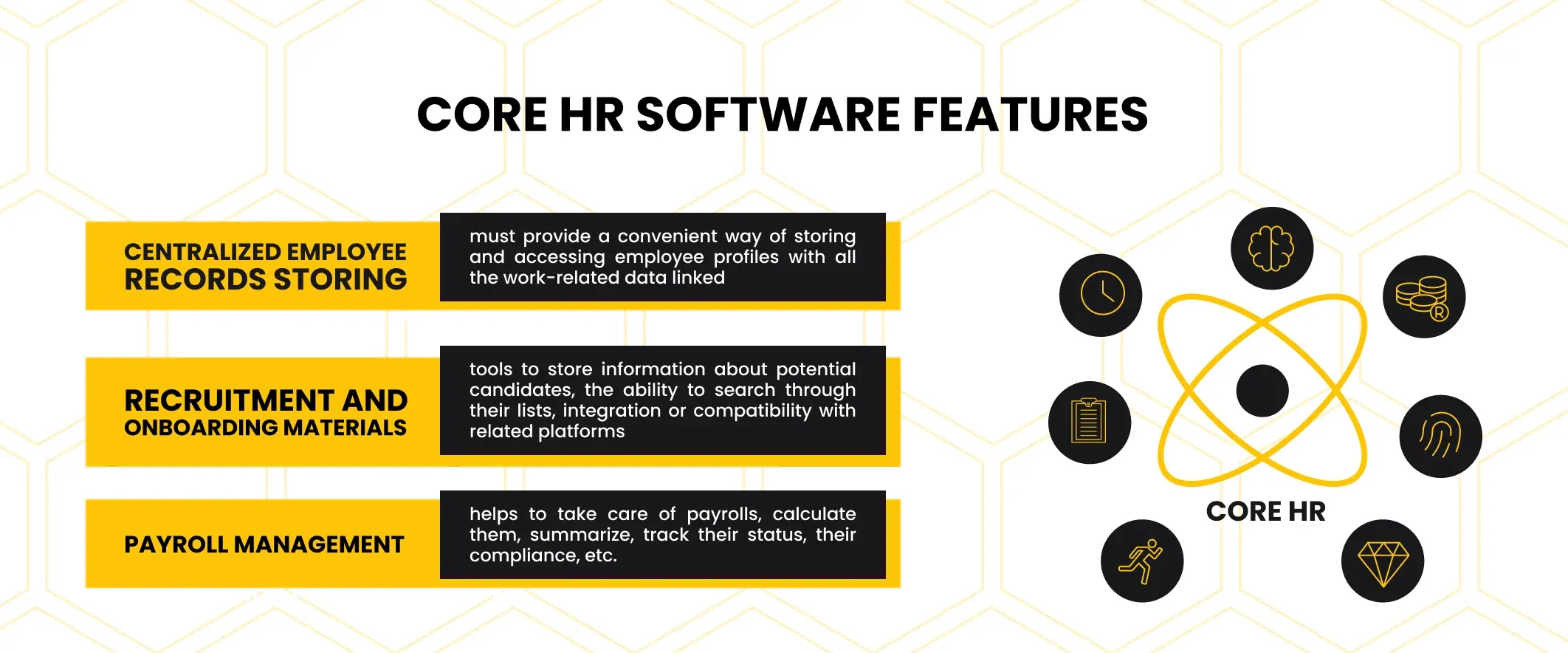
When selecting HR management software, understanding the cost implications is crucial for small businesses. Budgeting effectively ensures that you can invest in a solution that meets your needs without overstretching your finances. Different pricing models exist, and each offers various benefits and challenges that can impact your overall costs.One of the primary factors affecting the choice of HR management software is the pricing model.
Common models include subscription-based pricing, one-time purchase, and freemium options. Subscription-based software often comes with monthly or annual fees, allowing businesses to spread costs over time. This model is flexible, making it easier for small businesses to manage cash flow. One-time purchases may seem appealing, but they require a larger upfront investment, which might not be feasible for all small businesses.
Freemium options provide basic functionality for free, but advanced features often require payment, which can lead to unexpected expenses as the business grows.
Potential Hidden Costs
While the initial cost of software is important, small businesses should also consider potential hidden costs that can arise. These expenses can significantly affect the total cost of ownership and should be factored into budgeting decisions. Here are some common hidden costs associated with HR management software:
Training Costs
Implementing new software often requires training for employees, which can lead to additional expenses. It’s essential to Artikel a training budget to ensure that your staff can effectively use the new system.
Maintenance and Support Fees
Many software providers charge for ongoing technical support and maintenance. Understanding these fees upfront can prevent surprise costs later.
Integration Costs
If you are integrating the software with existing systems, there may be additional costs involved in ensuring compatibility and smooth data transfer.
Upgrade Fees
As your business grows, you may need to upgrade to a higher-tier plan or add features that come with extra costs. It’s wise to consider potential future expenses when selecting software.
Cost-Effective HR Management Software Options
Finding an affordable HR management solution is crucial for small businesses. Here’s a list of some cost-effective HR management software options tailored for small businesses that provide solid features without breaking the bank:
BambooHR
Known for its user-friendly interface, BambooHR offers essential HR features with transparent pricing based on the number of employees, making it a great option for small teams.
Gusto
Gusto specializes in payroll and benefits, and its pricing is straightforward. It includes features like employee management and compliance assistance, which are valuable for small businesses.
Zoho People
Zoho People offers a comprehensive suite of HR tools at a competitive price, ideal for small businesses looking for an all-in-one solution.
Freshteam
This software combines applicant tracking with HR features at an affordable rate, making it suitable for small businesses that prioritize recruitment.
Namely
Designed specifically for mid-sized companies, Namely provides a range of HR functionalities with flexible pricing options that can be scaled as your business grows.When evaluating these options, consider both the features offered and the overall value they bring to your organization. A well-chosen HR management software can streamline processes, save time, and ultimately enhance your business’s efficiency.
The Impact of HR Software on Employee Engagement
HR management software plays a pivotal role in enhancing employee engagement and satisfaction, especially for small businesses. By utilizing technology to streamline HR processes, these businesses can create a more connected and engaged workforce. Engaged employees are likely to be more productive, exhibit higher job satisfaction, and contribute positively to the overall company culture. This aspect is crucial for small businesses looking to compete with larger organizations that often have more resources to invest in employee welfare.The integration of HR management software creates a dynamic environment where communication is fostered, and feedback is encouraged.
These tools help bridge the gap between management and employees, ensuring that everyone feels heard and valued.
Tools for Communication and Feedback
A variety of tools within HR management software can significantly improve communication and feedback mechanisms. These tools allow for real-time interaction and facilitate a feedback-rich culture, which is fundamental in maintaining high levels of employee engagement.The following tools are essential for promoting effective communication:
- Employee Self-Service Portals: Employees can access their information, submit requests, and manage their benefits. This autonomy boosts their engagement by making them feel in control of their work-related affairs.
- Performance Management Modules: These tools enable managers to set goals, provide ongoing feedback, and conduct performance reviews. Regular check-ins foster a culture of recognition and improvement.
- Surveys and Polls: Built-in survey functions allow management to gauge employee sentiment on various issues. Regular feedback collection helps address concerns promptly and shows employees that their opinions matter.
- Internal Messaging Systems: Real-time messaging features facilitate quick communication among teams, enhancing collaboration and teamwork.
- Recognition Programs: Many HR software solutions include features that allow peer-to-peer recognition, helping to celebrate achievements and milestones, which can significantly boost morale.
A noteworthy case is a small marketing firm that implemented HR management software to streamline their feedback process. By utilizing performance management and survey tools, they increased employee engagement scores by 30% within a year. Employees felt more connected and appreciated, contributing to a better work atmosphere and lower turnover rates. Such success stories emphasize the transformative potential of HR software in fostering a culture of engagement and satisfaction within small businesses.
Challenges Small Businesses Face When Implementing HR Software
Implementing HR management software can be a game-changer for small businesses, but it also comes with its own set of challenges. Many small businesses may not have the resources or expertise to navigate the complexities of software implementation, leading to potential roadblocks that can hinder the process. Understanding these challenges is essential for a successful transition to digital HR management.Common challenges that small businesses encounter when adopting HR management software include resistance to change, budget constraints, integration with existing systems, and the learning curve associated with new technology.
Overcoming these challenges requires thoughtful strategies and a focus on change management.
Resistance to Change
Resistance to change is a common hurdle in software implementation. Employees may be accustomed to traditional HR practices and hesitant to adopt a new system. To address this challenge, it is crucial to foster a culture of openness and communication. Engage employees early in the process by explaining the benefits of the new HR software and how it will enhance their work experience.
Budget Constraints
Budget limitations can pose significant challenges for small businesses when selecting and implementing HR software. Often, small businesses may opt for lower-cost solutions that may not meet all their HR needs. To navigate budget constraints effectively, prioritize essential features and invest in scalable solutions that can grow with the business. Consider exploring vendor financing options or subscriptions that allow for flexible payments.
Integration with Existing Systems
Integrating new HR software with existing systems can be complex and time-consuming. Disparate systems may lead to data silos, resulting in inefficiencies. To mitigate this issue, conduct a thorough assessment of current systems and choose HR software that offers robust integration capabilities. Collaborate with IT staff and software vendors to streamline the integration process, ensuring a smoother transition.
Learning Curve and Staff Training
A steep learning curve associated with new software can lead to frustration and decreased productivity among staff. It is essential to invest in comprehensive training programs that provide employees with the skills and knowledge they need to navigate the new system confidently. Continuous support and resources, such as online tutorials and user manuals, can further ease the transition and enhance user experience.
Potential Pitfalls and Solutions
Awareness of potential pitfalls can help small businesses avoid common mistakes during HR software implementation. Below is a list of identified pitfalls and proposed solutions:
- Pitfall: Inadequate planning and timeline management can lead to rushed implementations.
- Solution: Create a detailed project plan with clear milestones and allocate sufficient time for each phase.
- Pitfall: Lack of employee input may result in low adoption rates.
- Solution: Involve employees in the selection process to ensure their needs and preferences are considered.
- Pitfall: Neglecting data security during the transition can expose sensitive information.
- Solution: Implement security protocols and ensure compliance with data protection regulations throughout the implementation process.
- Pitfall: Forgetting to establish metrics to evaluate the software’s effectiveness.
- Solution: Define key performance indicators (KPIs) that will help measure the software’s impact on HR efficiency and employee satisfaction.
“Navigating the challenges of HR software implementation requires patience, planning, and a commitment to continuous improvement.”
Future Trends in HR Management Software for Small Businesses

As the business landscape continues to evolve, small businesses must keep an eye on the future trends in HR management software to remain competitive and effective. Embracing new technologies not only enhances the efficiency of HR processes but also significantly impacts employee satisfaction and engagement. These trends are poised to reshape how small businesses manage their human resources, driving innovation and streamlined operations.The integration of advanced technologies within HR software is becoming increasingly important for small businesses.
Staying adaptable to these technological changes allows companies to not only optimize their HR functions but also create a more supportive environment for their employees. By leveraging these advancements, small businesses can improve recruitment, retention, and overall workplace culture.
Artificial Intelligence in HR Management
Artificial intelligence (AI) is transforming the HR landscape, providing tools that can automate routine tasks and enhance decision-making processes. Small businesses can capitalize on AI-driven solutions to improve candidate sourcing, employee onboarding, and performance evaluations.For example, AI-powered chatbots can handle initial candidate inquiries, allowing HR personnel to focus on more strategic tasks. Additionally, predictive analytics can help identify high-potential employees and predict turnover rates, enabling proactive retention strategies.
The ability to analyze vast amounts of data quickly and accurately provides small businesses with a competitive edge in talent management.
Data Analytics in HR Decision-Making
Data analytics is another key trend that is shaping the future of HR management software. By harnessing data, small businesses can gain valuable insights into employee behaviors, performance trends, and overall organizational health. This focus on data-driven decision-making empowers HR teams to implement effective strategies that align with their business goals.Establishing key performance indicators (KPIs) and tracking them through analytics tools can help small businesses identify areas for improvement.
For instance, measuring employee engagement through survey data and correlating it with productivity metrics can reveal opportunities for enhancing the workplace environment.
Integration and Interoperability of HR Systems
As businesses adopt various software tools, the ability to integrate these systems becomes crucial. Future HR management software will increasingly focus on interoperability, allowing small businesses to seamlessly connect their HR platforms with other business applications, such as payroll systems, performance management tools, and employee engagement platforms.This interconnectedness streamlines HR processes, reduces manual data entry, and ensures that all employee information is consistent across systems.
Small businesses should look for HR solutions that offer robust APIs and integration capabilities to enhance their operational efficiency.
Remote Work and Employee Experience Platforms
The shift towards remote work has necessitated a reevaluation of HR practices. Future HR management software will emphasize enhancing the remote employee experience. Platforms that facilitate continuous feedback, virtual team-building activities, and employee recognition will be essential for maintaining a positive organizational culture.Employers can leverage technology to create a virtual workplace that fosters collaboration and engagement. Features such as virtual onboarding, online training modules, and social platforms for employee interaction are becoming vital components of comprehensive HR solutions.
Focus on Compliance and Data Security
With increasing regulations around data privacy, it is essential for HR management software to prioritize compliance and security. Small businesses should be aware of the need for tools that not only streamline HR processes but also protect sensitive employee information. This includes secure data storage, encryption, and compliance with legal requirements such as GDPR or HIPAA.Investing in HR management software that emphasizes security helps build trust with employees and safeguards the business against potential legal repercussions.
As data breaches become more common, having a robust security framework in place is not just a recommendation but a necessity.
Final Review
In conclusion, embracing HR management software for small businesses is not just a trend; it is a strategic move towards streamlined operations and increased employee satisfaction. As small businesses continue to evolve, investing in the right HR technology will be crucial for staying competitive and adapting to future challenges. By understanding the key features, cost implications, and potential impacts on employee engagement, small business owners can make informed decisions that drive success.
Questions and Answers
What is HR management software?
HR management software is a digital tool that helps businesses manage their human resources functions, such as payroll, recruitment, and employee performance.
How can small businesses benefit from HR management software?
It streamlines HR processes, saves time, enhances employee engagement, and improves overall efficiency.
Is HR management software easy to use?
Many HR management software options prioritize user-friendliness, making them easy to navigate for both management and employees.
What should small businesses consider when choosing HR software?
They should assess features, integration capabilities, pricing models, and potential hidden costs before making a decision.
Can HR software help with employee engagement?
Yes, it offers tools for communication and feedback, which can enhance employee satisfaction and engagement.