Business management software for contractors is revolutionizing the way professionals in the construction industry manage their projects. By integrating various administrative tasks into a single platform, contractors can streamline operations, enhance productivity, and ultimately, increase profitability. This software addresses the unique challenges faced by contractors, such as project management complexities, budgeting, and client communication, providing tailor-made solutions that make life easier on the job site.
With features designed specifically for the demands of contracting work, these software solutions help in tracking progress, managing resources, and improving collaboration among teams. The right business management software can be a game-changer, empowering contractors to focus on what they do best—delivering quality work without the hassle of administrative burdens.
The importance of business management software specifically tailored for contractors
In the ever-evolving construction industry, contractors face a multitude of challenges that require efficient management solutions. Business management software specifically tailored for contractors plays a crucial role in streamlining operations, enhancing productivity, and ultimately improving profitability. This software addresses the unique demands of this sector by integrating various functionalities into a single platform, allowing contractors to focus on their core activities without being bogged down by administrative burdens.Business management software enhances productivity for contractors by automating repetitive tasks, ensuring that resources are allocated efficiently and projects are completed on schedule.
With features such as project management, time tracking, and invoicing, contractors can manage their workflow seamlessly. By utilizing such software, contractors can reduce manual errors, which often lead to costly delays or rework. For instance, a contractor who adopts a project management tool can easily assign tasks, set deadlines, and monitor progress through a centralized dashboard. This not only allows for better collaboration among team members but also provides real-time insights that are essential for timely decision-making.
Challenges that contractors face addressed by software solutions
Contractors often encounter several common challenges that can be effectively mitigated through the implementation of business management software. These challenges include budget overruns, miscommunication, and inefficient time management. By leveraging technology, contractors can overcome these hurdles in the following ways:
- Budget Management: Software solutions help in tracking expenses against budgets, allowing for better financial oversight. For example, features like cost estimation and budget forecasting can prevent unexpected expenditures.
- Communication Barriers: A centralized platform enhances communication among team members, clients, and suppliers, reducing the risk of misunderstandings. Alerts and notifications can keep all parties updated on project developments.
- Time Tracking: Automated time-tracking features allow for accurate billing and labor cost management, ensuring that contractors are paid for every hour worked.
Unique features that contractors should look for in business management software
When selecting business management software, contractors should prioritize features that cater specifically to their operational needs. The right solution should include:
- Project Management Tools: Essential for tracking project timelines, task assignments, and overall progress, ensuring that projects are completed efficiently.
- Mobile Access: Given the on-site nature of contractors’ work, mobile capabilities allow for updates and approvals on-the-go, enhancing responsiveness.
- Client Management: Features that facilitate client relationship management, including the storage of client information and communication history, are vital for maintaining strong business relationships.
- Reporting Analytics: Comprehensive reporting tools that provide insights on performance metrics, enabling better strategic planning and decision-making.
- Integration Capabilities: The ability to seamlessly integrate with other tools and software, such as accounting systems and supply chain management platforms, enhances the overall efficiency of operations.
Key features of effective business management software for contractors
Business management software designed for contractors plays a crucial role in enhancing productivity and efficiency. It streamlines various operational aspects, making it easier for contractors to manage projects, budgets, and communication with clients. By integrating specialized features, such software can cater specifically to the unique needs of construction and contracting businesses.To understand how effective business management software can be, it’s essential to delve into the key features that make it valuable.
Below are five essential features that every contractor should look for in business management software.
Essential features of business management software
These features significantly contribute to the overall functionality and usability of the software, ensuring that contractors can manage their tasks effectively.
- Project Management Tools: Integrated project management tools allow contractors to plan, schedule, and monitor project progress in real-time. These tools often include Gantt charts, task assignments, and milestones, which help contractors keep projects on track and within budget.
- Budgeting and Financial Management: Effective software should include budgeting tools that allow contractors to create estimates, track expenses, and manage invoices. This feature is vital for maintaining financial health and ensuring that projects are profitable.
- Time Tracking: Time tracking features enable contractors to record labor hours accurately, ensuring that all work is billed correctly. It can help manage labor costs effectively, providing insights into productivity and helping to identify areas for improvement.
- Client Communication Tools: Built-in communication tools facilitate seamless interaction between contractors and clients. This includes features like messaging, file sharing, and project updates, which enhance transparency and client satisfaction.
- Reporting and Analytics: Comprehensive reporting tools provide contractors with insights into various aspects of their business. From financial performance to project timelines, analytics can help contractors make informed decisions and identify areas for growth.
Comparison of popular business management software, Business management software for contractors
The following table compares some of the most popular business management software options for contractors, highlighting their key features.
| Software | Project Management Tools | Financial Management | Time Tracking | Client Communication | Reporting |
|---|---|---|---|---|---|
| Procore | Yes | Yes | Yes | Yes | Yes |
| Buildertrend | Yes | Yes | Yes | Yes | Yes |
| CoConstruct | Yes | Yes | No | Yes | Yes |
| PlanGrid | Yes | No | No | Yes | No |
Impact on project management and client communication
The integration of these features in business management software has a profound impact on project management and client communication. For instance, effective project management tools allow contractors to visualize project timelines, which can minimize delays and improve resource allocation. Additionally, streamlined client communication fosters stronger relationships, as clients receive timely updates and can easily provide feedback. Moreover, with budgeting and financial management features, contractors can ensure that projects are not only completed on time but also within financial constraints, directly contributing to the success of the business.
By enhancing these aspects, contractors can focus on delivering quality work while maintaining high levels of client satisfaction.
Integration capabilities of business management software for contractors
Business management software designed for contractors offers significant advantages through its integration capabilities with existing tools. Contractors often rely on various software solutions for project management, accounting, scheduling, and communication. Having a management system that can seamlessly incorporate these applications not only increases efficiency but also enhances overall productivity. Effective integration can transform how contractors operate, enabling them to streamline their workflows and minimize potential errors across different platforms.The ability to connect business management software with existing tools fosters a more cohesive working environment.
This reduces the need for data duplication and manual entry, which can lead to mistakes and inefficiencies. An all-in-one system provides a unified platform where contractors can manage their projects, finances, and client communications, eliminating the challenges associated with juggling multiple disparate systems.
Benefits of an all-in-one system
An all-in-one business management system offers numerous benefits over using multiple tools. Here are some key advantages:
- Streamlined Processes: By integrating various functions such as project management, invoicing, and scheduling into a single platform, contractors can streamline their operations, reducing the time spent on administrative tasks.
- Improved Data Accuracy: Integration minimizes the risk of human error associated with transferring data between different systems, ensuring that project data remains consistent and accurate.
- Centralized Access: An all-in-one solution allows for centralized access to all project information, making it easier for team members to collaborate and share updates in real-time.
- Cost Efficiency: Maintaining multiple software subscriptions can be costly. An integrated system often reduces overall software costs and simplifies vendor management.
Examples of improved workflows through integration
Integration of business management software can significantly enhance workflows in several areas. Here are examples of how such integration can transform operational efficiency:
- Project Tracking and Financial Management: Integrating project management tools with accounting software allows for automatic updates of project budgets and expenses. For instance, as hours are logged by workers, these updates reflect in real-time, providing accurate financial oversight.
- Resource Allocation: Connecting scheduling applications with project management systems ensures that contractors can efficiently allocate resources based on real-time availability, reducing downtime and optimizing workforce deployment.
- Client Communication: Integrating customer relationship management (CRM) software with project management tools enables contractors to track client interactions and project progress seamlessly. This integration ensures clients are kept informed and engaged throughout the project lifecycle.
- Document Management: Linking document management solutions with business management software allows for easy access and sharing of project documents. This integration facilitates better collaboration and reduces the risk of miscommunication among team members.
Cost considerations when selecting business management software for contractors
Choosing the right business management software for contractors involves a careful examination of various cost factors. The software’s pricing is a crucial component, as it will directly affect the overall profitability of the contractor’s business. Understanding the different pricing models, potential return on investment (ROI), and additional costs associated with implementation and training are essential for making an informed decision.
Pricing models for business management software
Several pricing models are available for contractors when selecting business management software. Understanding these models can help contractors choose the most financially viable option.
- Subscription-based pricing: Many software providers offer subscription plans, which typically charge a monthly or annual fee. This model often includes regular updates and customer support, making it easier for contractors to budget their expenses.
- One-time payment: Some software solutions require a single upfront payment for a perpetual license. While this may seem cost-effective initially, it often excludes ongoing support and updates, leading to potential long-term costs.
- Freemium model: Certain software solutions provide basic features for free, with the option to upgrade to a paid plan for advanced functionalities. This model allows contractors to test the software before committing to a purchase, though additional features may come at a premium.
- Tiered pricing: Many vendors offer tiered pricing plans based on the number of users or features required. This flexibility can help maintain affordability as the contractor’s business grows, allowing them to pay for only the services they need.
Expected return on investment
Investing in business management software can yield significant returns for contractors. The anticipated ROI can stem from various aspects such as increased productivity, streamlined processes, and improved project tracking. Contractors can expect benefits like:
- Time savings: Automation of repetitive tasks can free up valuable time for contractors, allowing them to focus on core business operations and customer relations.
- Cost reductions: Enhanced efficiency can lead to lower operational costs. For instance, a contractor may reduce material waste and improve project timelines, resulting in substantial savings.
- Better cash flow management: Effective invoicing and payment tracking features enable contractors to manage cash flow more effectively, ensuring timely payments and reducing overdue invoices.
- Improved client satisfaction: With better project management and communication tools, contractors can enhance client experiences, leading to repeat business and referrals.
Additional costs associated with implementation and training
While selecting business management software, contractors should also consider additional costs that could arise during implementation and training. Preparing for these expenditures ensures a smooth transition and maximizes the software’s benefits.
- Implementation costs: Depending on the software complexity, contractors may incur expenses related to system setup, data migration, and integration with existing tools. These costs can vary significantly based on the project’s scope.
- Training expenses: Adequate training is critical for maximizing software utilization. Contractors may need to invest in professional training sessions or resources to ensure that their team effectively understands the software’s capabilities.
- Ongoing maintenance and updates: Contractors should account for potential ongoing costs associated with maintaining the software, including subscription renewals, technical support, and potential upgrades.
User experience and ease of use in business management software for contractors

The user experience is a vital aspect of business management software, especially for contractors who often juggle multiple projects and client demands. A user-friendly interface can significantly streamline operations, making it easier for contractors to navigate through the software and utilize its features effectively. With intuitive design and clear navigation, contractors can focus more on their work rather than on figuring out how the software operates.Ease of use is essential for reducing training time and increasing adoption rates among staff.
When software is straightforward and intuitive, employees can quickly get up to speed without needing extensive training sessions. This not only saves time but also minimizes frustration and enhances productivity. For instance, platforms like Procore and Buildertrend are known for their clean interfaces that allow users to manage projects with just a few clicks. As a result, contractors report lower onboarding times and a smoother transition to digital management systems.
Importance of User-Friendly Interfaces
A user-friendly interface in business management software can make a substantial difference in how contractors operate daily. Here are some key reasons why a well-designed interface is crucial:
- Increased Efficiency: An intuitive interface allows contractors to perform tasks quickly, from scheduling to invoicing, thus enhancing overall productivity.
- Reduced Errors: Simplified navigation can lead to fewer mistakes, as users are less likely to misinterpret complex features.
- Improved Communication: Easy-to-use tools encourage collaboration among team members, as everyone can access and share information efficiently.
- Enhanced Client Interactions: Software with a clear layout helps contractors present information to clients in a professional manner, enhancing client trust and satisfaction.
Contractors have seen significant improvements in their operations when they switch to user-centric software. For example, a mid-sized construction firm reported a 30% increase in project turnaround time after implementing a management tool with a streamlined interface. They noted that team members spent less time training and more time focusing on project execution.
“A user-friendly platform is not just a convenience; it’s a game changer for our productivity.”
John Smith, Contractor
Testimonials like these highlight the real-world benefits of investing in business management software with a strong emphasis on user experience. As more contractors adopt such tools, the trend towards prioritizing ease of use will continue to shape the industry’s software landscape.
The role of mobile accessibility in business management software for contractors
In today’s fast-paced construction environment, contractors require tools that keep pace with their on-the-go lifestyle. Mobile accessibility in business management software is not just an added benefit; it has become essential for efficient operations. Contractors working on-site can access critical project data from anywhere, ensuring they are always informed and connected.Mobile access presents several advantages for contractors who are often managing multiple tasks and teams from various locations.
With the ability to use business management software on mobile devices, contractors can streamline workflows and reduce the time spent on administrative tasks. This not only enhances productivity but also supports quicker decision-making.
Advantages of mobile access for contractors
The integration of mobile accessibility allows contractors to experience numerous benefits that can significantly improve their operations. Here are some of the key advantages:
- Real-time Data Access: Contractors can access project updates, schedules, and budgets instantly, which helps in making informed decisions on site.
- Improved Communication: Mobile tools facilitate seamless communication between team members, ensuring that everyone is on the same page regarding project developments.
- Time Tracking and Management: Workers can log hours directly from the job site, reducing the chances of errors in time reporting and payroll processing.
- Document Management: Contracts, blueprints, and other essential documents can be accessed and updated in real-time, reducing delays caused by paperwork.
The impact of mobile functionality on communication is profound. When team members can quickly exchange information regarding project changes or challenges, it fosters a proactive approach to problem-solving. For instance, if an issue arises with materials or a delay is anticipated, teams can communicate this instantly, allowing for immediate adjustments to the project schedule.
Scenarios impacting project outcomes
Mobile access has proven to be a game-changer in various scenarios, leading to enhanced project outcomes for contractors.
“With mobile accessibility, decisions can be made on the spot, significantly reducing downtime.”
Consider a scenario where a contractor is overseeing multiple job sites. A construction delay is reported at one site due to equipment malfunction. The project manager uses their mobile device to check the inventory and coordinate with suppliers immediately. This rapid response not only minimizes downtime but also helps maintain the overall project timeline.Another example is during the final inspection phase.
A contractor can easily access and share inspection reports with clients via their smartphone. This transparency builds trust and allows for quicker approvals, ensuring that projects are completed on time and to the satisfaction of all stakeholders. These scenarios illustrate how mobile accessibility in business management software provides contractors with the tools they need to enhance efficiency, communication, and overall project success.
Customization options available in business management software for contractors
Customization is a pivotal feature in business management software designed for contractors, allowing these tools to cater to the diverse needs of various contracting businesses. Each contractor’s workflow and project management processes differ significantly, making it essential for software solutions to offer adjustable features that align closely with their specific operational requirements. This level of customization enables contractors to enhance efficiency, streamline processes, and ultimately improve project outcomes.Contractors can tailor software features to fit their workflow and project requirements through several flexible options.
This not only aids in optimizing daily tasks but also ensures that the software adapts to the unique challenges faced in different contracting fields. Customization allows contractors to enhance their productivity by configuring tools to suit their specific needs, leading to better resource management and project tracking.
Commonly offered customization options
Several customization options are generally provided by business management software vendors that cater specifically to contractors. These options include:
- Customizable Dashboards: Users can create dashboards that display the metrics and KPIs most relevant to their business, ensuring that critical information is front and center for quick decision-making.
- Tailored Reporting Tools: Contractors can adjust reporting features to generate insights that align with their project goals, such as cost analysis, profit margins, and resource utilization.
- Workflow Automation: Software allows users to define and automate specific workflows to streamline processes, from project initiation to completion, enhancing efficiency.
- Integration with Existing Tools: Customization capabilities often include the ability to integrate with other software platforms already in use, such as accounting software or CRM systems, fostering a seamless workflow.
- User Role Definitions: Contractors can set permissions and access levels for different team members, ensuring that sensitive information remains protected while still being accessible to relevant parties.
- Custom Fields and Labels: Users can create fields that capture specific data pertinent to their operations, making data entry more relevant and tailored to their unique needs.
- Mobile App Customization: Many software solutions offer options to customize mobile applications, allowing contractors to access crucial features and information from the job site tailored to their preferences.
The flexibility of these customization options not only enhances the usability of business management software but also empowers contractors to make informed decisions that drive their business forward. As a result, they can focus on delivering quality service while efficiently managing their operations.
Future trends in business management software for the contracting industry
The future of business management software for contractors is poised to undergo significant transformation, driven by emerging technologies and shifts in industry practices. As contractors increasingly seek to streamline operations and enhance efficiency, the software solutions tailored for their needs will evolve to incorporate advanced features that leverage technology. Understanding these future trends will not only provide insights into the direction of software development but will also empower contractors to make informed decisions in their technology investments.As the contracting industry embraces innovation, several key technologies are emerging that are likely to shape the future of business management software.
One of the most impactful trends is the integration of artificial intelligence and automation into software systems. These technologies can streamline repetitive tasks, improve accuracy, and enhance decision-making processes.
Impact of Artificial Intelligence and Automation
The utilization of artificial intelligence (AI) and automation is set to revolutionize contractor operations in various ways. Contractors can expect to see improvements in project management, resource allocation, and customer relationship management. The following points illustrate the potential impact of these technologies:
- Predictive Analytics: AI can analyze historical data to forecast project outcomes, enabling contractors to make data-driven decisions and allocate resources more effectively.
- Automated Scheduling: Automation tools can optimize project timelines by automatically adjusting schedules based on real-time data, reducing delays and improving efficiency.
- Enhanced Communication: AI-driven chatbots can facilitate communication with clients and subcontractors, providing instant responses to inquiries and streamlining information flow.
- Risk Management: AI can identify potential risks by analyzing project variables and historical performance, allowing contractors to proactively address issues before they escalate.
The integration of these technologies not only enhances operational efficiency but also allows contractors to focus on strategic tasks that drive business growth. For example, a construction firm using AI to analyze project data might discover trends that lead to cost savings or improved project delivery times. The landscape of business management software for contractors is also likely to change dramatically as mobile accessibility and cloud-based solutions become standard.
This shift enables contractors to manage projects and communicate with teams from anywhere, enhancing flexibility and responsiveness in dynamic work environments. Furthermore, real-time data access via mobile devices empowers contractors to make timely decisions on-site, ultimately improving project outcomes.As we move forward, the emphasis on customization options in business management software will also become more pronounced. Contractors will seek solutions that can be tailored to their specific needs, including industry-specific features, user roles, and reporting capabilities.
Notice hr management systems for small business for recommendations and other broad suggestions.
This level of customization ensures that software aligns closely with unique business processes, fostering greater adoption and satisfaction among users.In summary, the future of business management software for contractors looks promising, with AI, automation, mobile accessibility, and customization leading the charge. By keeping abreast of these trends, contractors can position themselves to leverage technology effectively, driving their businesses towards increased productivity and success.
Last Point
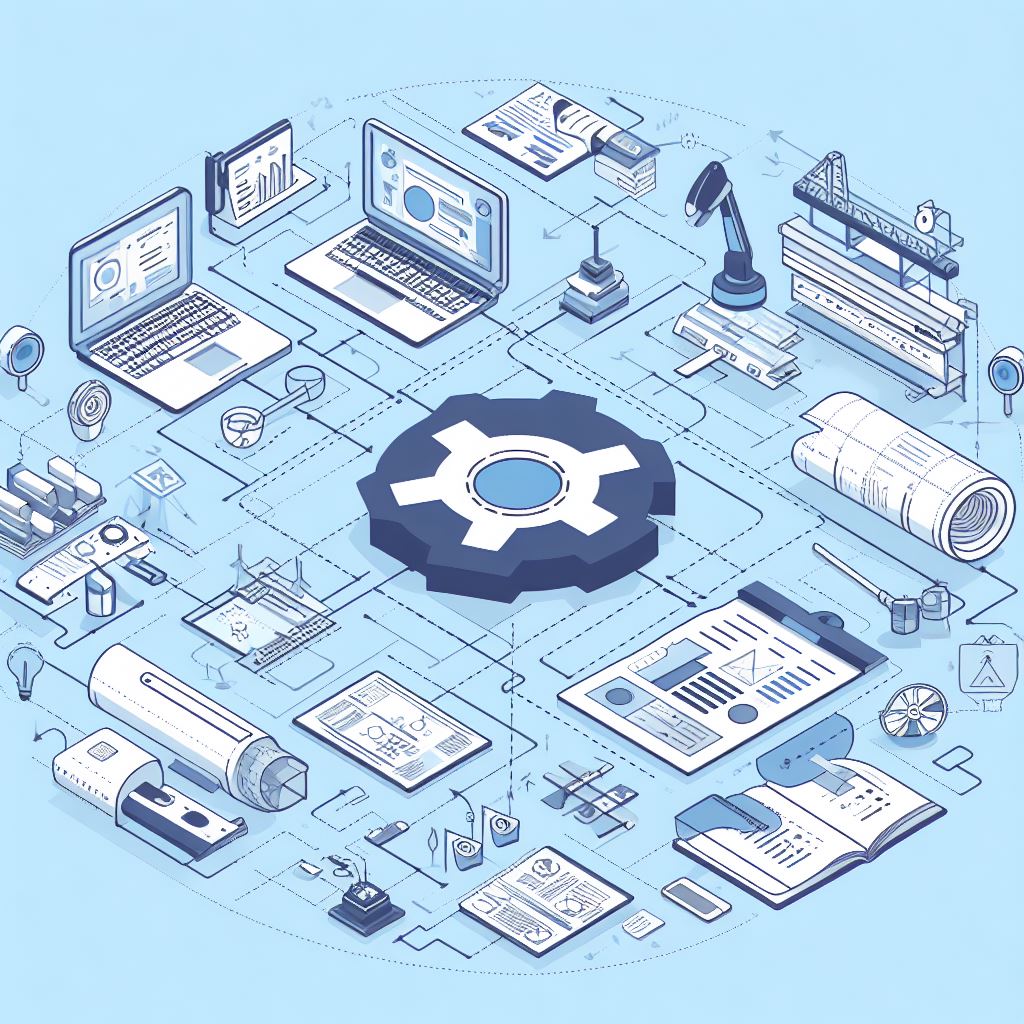
In summary, adopting business management software for contractors not only simplifies daily operations but also positions businesses for future growth. By choosing the right tools to meet their specific needs, contractors can improve project efficiency, enhance communication, and ultimately drive better outcomes. As technology continues to evolve, staying ahead of the curve with effective software solutions will be crucial for success in the competitive contracting landscape.
Question & Answer Hub
What is business management software for contractors?
It is a digital tool designed to help contractors manage various aspects of their business, including project planning, budgeting, and client communication.
How can this software improve productivity?
By automating routine tasks, streamlining communication, and providing real-time project updates, contractors can focus more on their work and less on paperwork.
Is mobile access important for contractors?
Yes, mobile access allows contractors to manage projects and communicate with teams on-site, ensuring timely updates and decisions.
What features should contractors look for?
Key features include project management tools, budgeting capabilities, client communication options, time tracking, and integration with other software.
Are there any hidden costs associated with these software solutions?
Potential hidden costs can include subscription fees, training expenses, and costs for additional features or integrations.