Delving into hvac business management software, this powerful tool is designed to streamline operations and enhance efficiency for HVAC businesses. With the increasing demands of the industry, having a software solution that caters to specific needs can significantly transform how companies manage their day-to-day tasks.
The software not only improves operational workflows but also plays a crucial role in boosting customer satisfaction. By integrating features like scheduling, invoicing, and inventory management, HVAC businesses can respond more effectively to client needs, ensuring a seamless service delivery that ultimately leads to better client relationships and increased revenue.
Exploring the Benefits of HVAC Business Management Software
The HVAC industry is highly competitive, requiring businesses to operate efficiently while delivering exceptional service. HVAC business management software emerges as a vital tool, helping these businesses streamline operations, enhance customer satisfaction, and ultimately boost profitability. This software enhances operational efficiency by automating numerous business processes that were previously performed manually. Tasks such as scheduling appointments, managing inventory, tracking service calls, and invoicing can be handled effortlessly through a centralized platform.
By reducing the time spent on administrative tasks, HVAC technicians can focus on their core responsibilities—servicing clients and resolving issues quickly. Furthermore, real-time data access enables businesses to make informed decisions based on current performance metrics. For instance, the software can provide insights into technician productivity, allowing management to optimize staff allocation based on demand. Inventory management becomes more precise, reducing excess stock and minimizing costly delays in service delivery.
By integrating features like GPS tracking, businesses can also streamline routing for service calls, ensuring that technicians arrive on-site promptly, thus reducing fuel costs and improving service times.
Improving Customer Satisfaction
Customer satisfaction is crucial for HVAC businesses looking to maintain a loyal client base and drive referrals. HVAC business management software plays a significant role in enhancing the overall customer experience. By automating communication, businesses can send timely reminders and updates about appointments, ensuring customers are always informed. This proactive approach fosters trust and transparency, which are vital in service-oriented industries.Additionally, the software allows for personalized service by maintaining detailed customer profiles.
These profiles include service history, preferences, and specific needs, enabling technicians to tailor their approach during visits. An HVAC business that understands its customers’ history and preferences is more likely to provide a satisfying experience. Furthermore, the ability to quickly respond to customer inquiries or service requests through integrated communication tools enhances responsiveness. Customers appreciate prompt handling of their needs, which can significantly elevate their perception of the service provided.
Increasing Revenue Streams
The use of HVAC business management software can create new revenue opportunities for HVAC companies. Here are several ways this software can contribute to increased income:
1. Upselling Services
By analyzing customer data, businesses can identify opportunities to offer additional services or maintenance plans tailored to specific needs.
2. Streamlined Invoicing and Payment Processing
Automated invoicing reduces delays in payment collection, improving cash flow and allowing businesses to reinvest in growth.
3. Enhanced Marketing Campaigns
The software can track customer engagement and preferences, enabling targeted marketing strategies that yield higher conversion rates.
4. Expanded Service Offerings
Businesses can easily introduce new services based on market analysis available within the software, tapping into additional revenue streams while serving existing customers.With the right HVAC business management software, companies are not just improving their operational efficiency but are also paving the way for sustained growth and enhanced customer satisfaction.
Key Features to Look for in HVAC Business Management Software
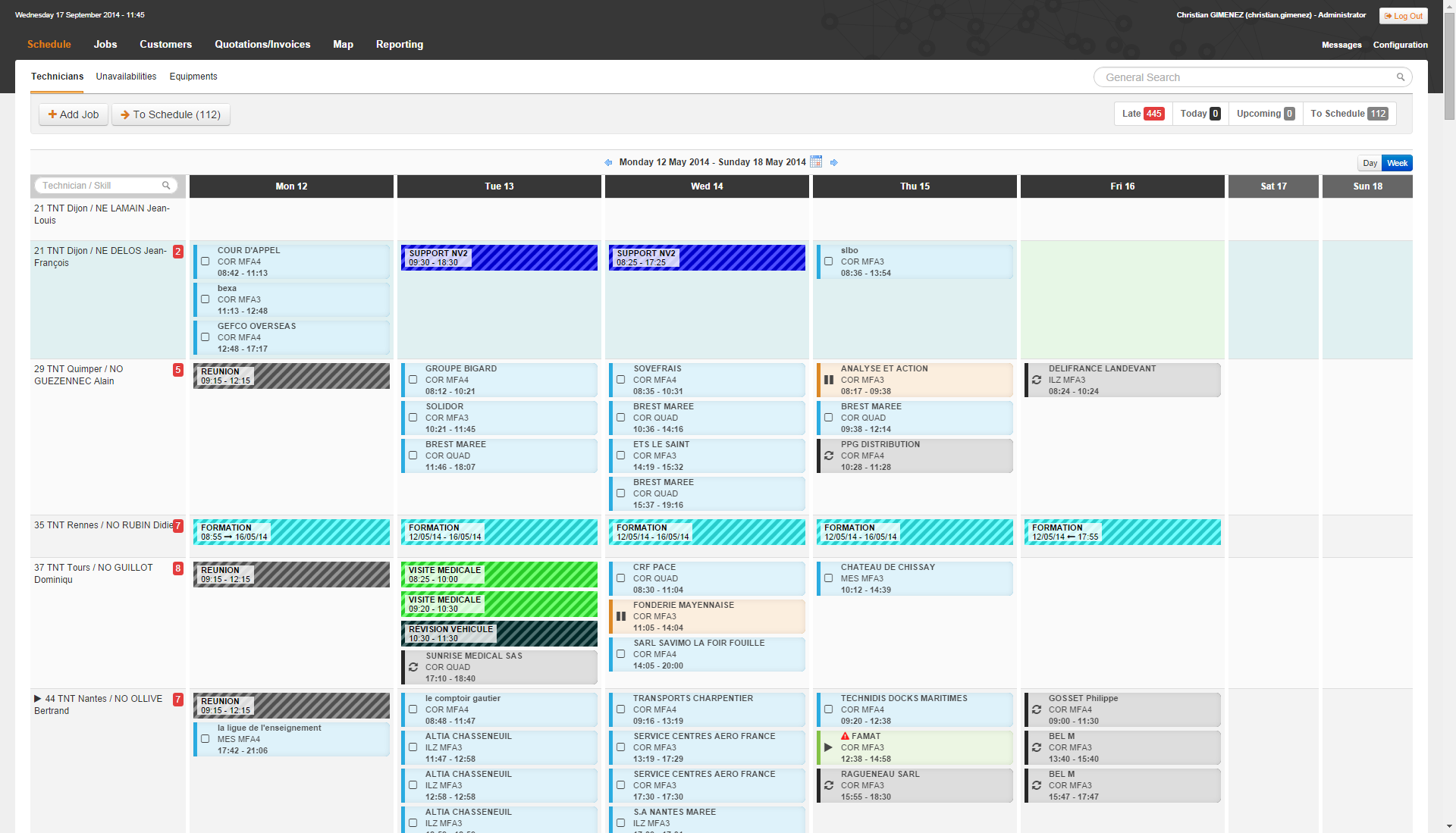
Selecting the right HVAC business management software is crucial for streamlining operations and enhancing efficiency. With the market filled with various options, understanding the essential features can help businesses make informed decisions. Here’s an overview of the key functionalities to consider when evaluating HVAC management software.A robust HVAC management software should encompass a range of features designed to simplify daily tasks, improve customer relationships, and enhance overall business performance.
Key features include:
Essential Features of HVAC Management Software
The following features are critical in ensuring that HVAC management software meets the unique needs of HVAC businesses:
- Work Order Management: The ability to create, assign, and track work orders is pivotal for service efficiency. A streamlined work order management system helps dispatch teams effectively and monitor job progress in real-time.
- Customer Relationship Management (CRM): An integrated CRM system allows businesses to manage customer interactions, track service history, and improve communication, fostering better customer relationships.
- Scheduling and Dispatching: This feature helps optimize technician schedules based on availability and location, ensuring prompt service delivery and reducing travel times.
- Inventory Management: Effective inventory control helps HVAC companies keep track of stock levels, manage orders, and reduce wastage, thereby improving profitability.
- Invoicing and Payments: Automated invoicing capabilities streamline billing processes, providing clear and timely invoices to customers, and improving cash flow management.
- Reporting and Analytics: Comprehensive reporting tools enable businesses to analyze operational data, track performance metrics, and identify trends for informed decision-making.
Comparison of HVAC Software Options
Three popular HVAC management software options include Jobber, ServiceTitan, and Housecall Pro. Here’s a comparison based on their features and usability:
- Jobber: Known for its user-friendly interface, Jobber offers features such as scheduling, invoicing, and CRM integration. It is ideal for small to mid-sized HVAC businesses looking for an intuitive solution.
- ServiceTitan: A more advanced option, ServiceTitan provides extensive features including detailed reporting, marketing integration, and a mobile app for technicians. It caters to larger HVAC companies seeking comprehensive management capabilities.
- Housecall Pro: This software is designed for ease of use, featuring scheduling, invoicing, and customer management tools. It is particularly popular among smaller HVAC businesses due to its affordability and straightforward functionality.
Utilizing Reporting and Analytics in HVAC Management
Reporting and analytics play a significant role in optimizing HVAC business operations. By leveraging data-driven insights, companies can make informed decisions that drive growth and efficiency. Reports on service performance, customer feedback, and financial health can pinpoint areas for improvement and highlight successful strategies.Utilizing customizable dashboards allows managers to visualize key performance indicators (KPIs) in real-time. For instance, tracking technician productivity rates can help identify training needs or process bottlenecks, while customer satisfaction analytics can guide service enhancements.
Effective reporting transforms data into actionable insights, empowering HVAC businesses to anticipate trends and respond proactively rather than reactively.
Implementation Strategies for HVAC Business Management Software
Implementing HVAC business management software can significantly enhance operational efficiency and customer satisfaction. However, a successful implementation requires careful planning and execution. This guide Artikels a step-by-step approach to ensure that your business transitions smoothly to new software technology while also addressing common challenges and best practices for training staff.
Step-by-Step Guide for Implementation, Hvac business management software
To effectively implement HVAC management software, follow this structured approach:
1. Assessment of Needs
Evaluate your business requirements and identify the specific features that will address your operational challenges. This includes understanding current workflows and potential pain points.
2. Selecting the Right Software
Based on your assessment, choose software that aligns with your business goals. Consider factors such as scalability, user-friendliness, and support services.
3. Planning the Implementation Timeline
Develop a realistic timeline for implementation that includes milestones and deadlines. This helps keep the project on track and allows for accountability.
4. Data Migration
Prepare to transfer existing data into the new system. This step may require data cleansing to ensure accuracy and ease of transition.
5. System Configuration
Configure the software settings according to your business needs. This may involve setting up user roles, permissions, and customized workflows.
6. Pilot Testing
Before full deployment, conduct a pilot test with a small group of users to identify any issues and gather feedback.
7. Full Rollout
Once the pilot test is successful, move forward with a full rollout of the software across your organization.
8. Ongoing Support and Feedback Loop
After implementation, ensure continuous support is available. Collect feedback from users to make necessary adjustments.
Challenges and Solutions During Software Implementation
Implementing new software can come with challenges that may hinder progress. Common issues include resistance to change, data migration errors, and insufficient training. To effectively overcome these obstacles:
Resistance to Change
Engage employees early in the process by highlighting the benefits of the new software. Involve them in decision-making to create a sense of ownership.
Data Migration Errors
Conduct thorough checks during migration to minimize errors. Backup existing data and perform test migrations before going live.
Insufficient Training
Develop a comprehensive training program tailored to different user levels. Utilize various training methods such as hands-on sessions, tutorials, and Q&A forums to cater to diverse learning styles.
“A well-planned implementation strategy reduces the friction during the transition to new software, ensuring that all employees are on board and equipped to utilize the system effectively.”
Best Practices for Training Staff on New HVAC Software Tools
Training is a critical element of the implementation process. Here are some best practices to ensure staff are proficient with the new system:
Tailored Training Sessions
Customize training sessions based on the specific roles of staff members. This personalization helps them understand how the software impacts their daily tasks.
Interactive Learning
Encourage active participation through interactive sessions, such as hands-on demonstrations. This approach allows staff to gain practical experience.
Utilize Multimedia Resources
Provide a mix of training materials, including videos, manuals, and quick reference guides, to accommodate different learning preferences.
Establish a Support System
Create a mentorship program where experienced users assist new users. This fosters a collaborative learning environment.
Regular Follow-up Training
Schedule follow-up sessions to reinforce learning and introduce advanced features as staff become comfortable with the basics.
Feedback Mechanism
Encourage staff to share their experiences with the software and suggest improvements for further training sessions.Utilizing these strategies will facilitate a smoother implementation of HVAC business management software, leading to greater operational productivity and employee satisfaction.
The Role of Cloud Technology in Modern HVAC Management
Cloud technology has significantly reshaped the landscape of HVAC business management by enhancing accessibility and functionality. By leveraging cloud-based solutions, HVAC companies can streamline operations, improve communication, and optimize service delivery. The ability to access critical data from anywhere, at any time, enables technicians and managers to make informed decisions on the go. This accessibility leads to improved response times, increased customer satisfaction, and ultimately, higher profitability.The adaptability of cloud technology further enhances HVAC management software by allowing seamless updates and integration with other systems.
This means that HVAC businesses can stay up-to-date with the latest features and security protocols without costly, time-consuming installations. Moreover, cloud platforms often provide valuable data analytics tools, allowing companies to gain insights into their operations and customer preferences, which can drive strategic decision-making.
Security Measures for Cloud-Based HVAC Software Solutions
The implementation of cloud-based HVAC management solutions necessitates robust security measures to protect sensitive business and customer information. As these platforms often store vast amounts of data, ensuring this data remains secure is paramount. Important security measures include:
- Data Encryption: Encrypting data both in transit and at rest is crucial to prevent unauthorized access. This step ensures that even if data is intercepted, it remains unreadable.
- Multi-Factor Authentication (MFA): MFA adds an additional layer of security by requiring users to verify their identity through multiple means before accessing the system.
- Regular Security Audits: Conducting frequent security assessments helps identify vulnerabilities and ensure that all security protocols are effective and current.
- Access Control Policies: Implementing strict access controls ensures that only authorized personnel can access sensitive data, minimizing the risk of internal breaches.
Advantages of Mobile Compatibility within HVAC Management Applications
Mobile compatibility in HVAC management applications plays a pivotal role in enhancing efficiency and productivity. Technicians equipped with mobile devices can access real-time information, update service records, and communicate with management while on-site. This immediate access to data not only improves workflow but also enhances service delivery.Key advantages of mobile compatibility include:
- Real-Time Updates: Technicians can log service details and customer feedback instantly, ensuring that all information is up-to-date and accessible to the entire team.
- Enhanced Communication: Mobile applications facilitate direct communication between field technicians and office staff, reducing delays in information relay.
- Improved Customer Interactions: Technicians can provide immediate status updates to customers, leading to enhanced customer service and satisfaction.
- Task Management: Mobile compatibility allows technicians to manage their schedules efficiently, ensuring they can prioritize urgent tasks and optimize their daily routes.
Assessing the ROI of HVAC Business Management Software
Investing in HVAC business management software can significantly transform operations, but understanding the return on investment (ROI) is essential for justifying the expenditure. By tracking specific metrics and analyzing case studies, businesses can evaluate the effectiveness of their software investment and its impact on their bottom line. This assessment ensures that the software not only meets operational needs but also contributes to overall profitability.To effectively assess ROI, businesses should focus on specific metrics that indicate both financial gains and operational efficiencies.
These metrics help provide a clear picture of how the software contributes to growth and savings.
Key Metrics for Evaluating ROI
Tracking certain metrics plays a crucial role in evaluating the effectiveness of HVAC business management software. The following metrics can help businesses gauge their ROI effectively:
- Cost Savings: Measure reductions in operational costs, such as labor and materials, as a result of increased efficiency.
- Increased Revenue: Analyze sales growth due to improved customer service and faster response times.
- Time Savings: Quantify time saved on administrative tasks and field operations, converting that time into dollar value.
- Customer Satisfaction: Track improvements in customer retention rates and net promoter scores, linking them to revenue impact.
- Job Completion Rates: Measure the increase in completed jobs over a set period, reflecting improved operational efficiency.
These metrics provide insight into how effectively the software is utilized and its direct impact on financial performance.
Examine how manufacturing management software can boost performance in your area.
Case Study: Financial Benefits of HVAC Management Software
Consider the case of ABC HVAC Services, a mid-sized company that implemented a comprehensive HVAC business management software. Before the software adoption, the company experienced challenges such as lengthy customer response times and high operational costs. After implementing the software, they noticed a remarkable transformation.Within the first year, ABC HVAC Services reported a 25% reduction in operational costs due to improved scheduling and dispatching, which streamlined workflows.
They also witnessed a 15% increase in revenue driven by enhanced customer service capabilities, which allowed for timely follow-ups and better communication.The software’s reporting features enabled the management team to analyze performance data, leading to smarter business decisions and a growth rate of 10% in job completions. Overall, ABC HVAC Services saw an ROI of approximately 150% within the first two years of software implementation.
Strategies for Maximizing ROI of HVAC Software Investments
Maximizing ROI requires ongoing evaluation and strategic adjustments. Implementing the following strategies can enhance the value derived from HVAC management software:
- Regular Training: Invest in continuous training for staff to ensure they fully utilize all software features, enhancing productivity and efficiency.
- Data-Driven Decision Making: Leverage analytics to gain insights into performance trends, enabling better strategic planning and operational adjustments.
- Integrate with Existing Systems: Ensure that the software seamlessly integrates with other tools and platforms used in the business to enhance overall workflow.
- Solicit Customer Feedback: Regularly seek input from customers to identify areas for improvement and enhance service offerings.
- Monitor Performance Metrics: Continuously track key performance metrics to adjust strategies and maximize operational efficiency.
By taking these steps, HVAC businesses can ensure that their investment in management software continues to yield high returns, positioning them competitively in a rapidly evolving market.
Future Trends in HVAC Business Management Software
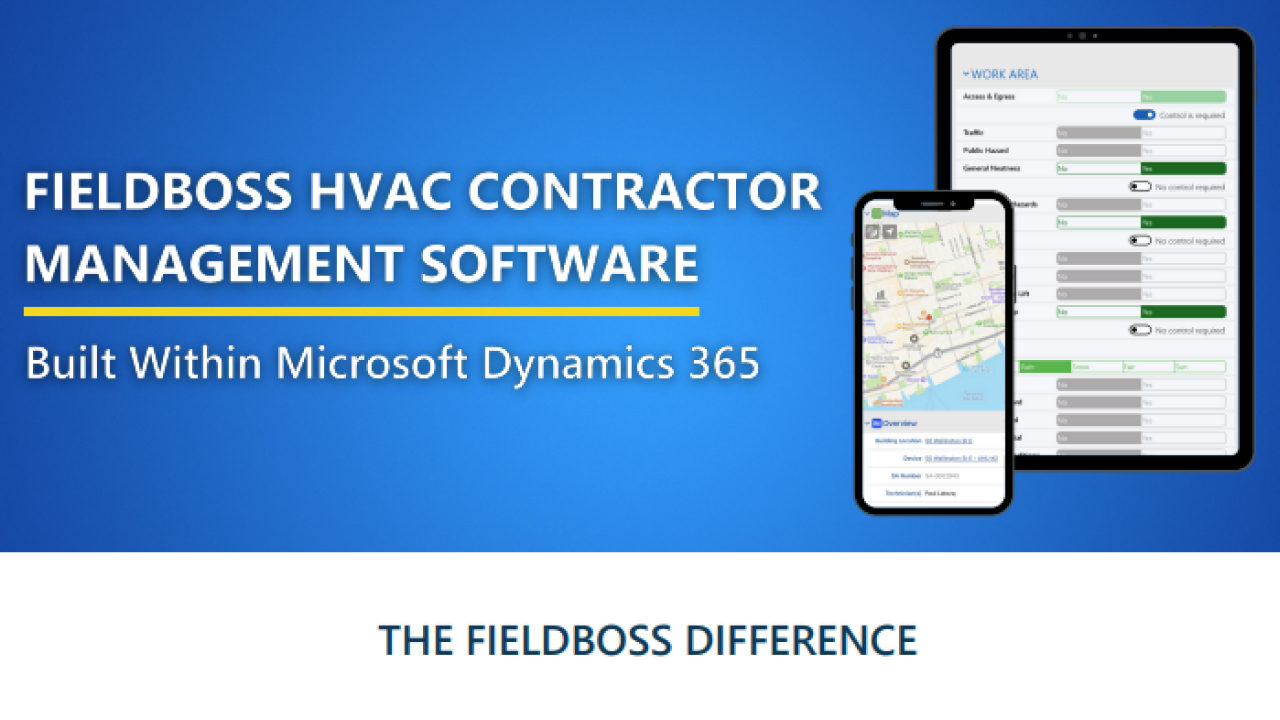
As the HVAC industry evolves, so do the tools that help manage it. The future of HVAC business management software is poised for significant transformation, driven by emerging technologies and evolving business practices. This evolution is not just about improving efficiency but also about embracing sustainability and leveraging advanced technologies to meet the demands of modern consumers and regulatory frameworks.
Emerging Technologies Shaping HVAC Software
One of the most promising trends in HVAC business management software is the integration of emerging technologies such as the Internet of Things (IoT), artificial intelligence (AI), and data analytics. IoT enables devices to communicate and share data seamlessly, allowing HVAC companies to monitor system performance in real-time. For instance, smart thermostats can collect usage patterns and environmental data, providing insights that can enhance energy efficiency and customer satisfaction.AI plays a crucial role in optimizing operations by predicting maintenance needs and automating routine tasks.
For example, predictive analytics can analyze data from HVAC systems to forecast potential failures, allowing businesses to conduct proactive maintenance. This not only improves the reliability of systems but also reduces downtime and maintenance costs. Moreover, automation tools can streamline workflows, from dispatching technicians to managing inventory, thus enhancing overall productivity. The integration of these technologies can lead to a more responsive and agile HVAC business environment.
Impact of Artificial Intelligence and Automation
The impact of artificial intelligence and automation on HVAC business management is substantial. AI algorithms can process vast amounts of data far more quickly than human operators, identifying patterns and trends that inform better decision-making. This capability helps HVAC companies adapt to changing market dynamics and customer preferences. Automation, on the other hand, reduces the potential for human error and increases operational efficiency.
By automating scheduling and inventory management, HVAC businesses can ensure that they are always prepared to meet customer demands without overstocking or wasting resources. The result is a more streamlined operation that can respond swiftly to service requests, ultimately improving customer satisfaction.
“AI and automation are not just trends; they represent a fundamental shift in how HVAC businesses can operate more effectively and sustainably.”
Sustainability Influencing Software Development
Sustainability practices are increasingly shaping the development of HVAC business management software. As environmental concerns gain prominence, HVAC companies are seeking solutions that minimize their carbon footprint and promote energy efficiency. Software that incorporates sustainability metrics allows businesses to track their energy usage and emissions, helping them to comply with regulations and meet customer expectations.For instance, many HVAC management solutions now include features that analyze the energy efficiency of installed systems and recommend upgrades or modifications.
Companies can utilize this data to promote green practices, not only enhancing their brand image but also appealing to eco-conscious consumers.Additionally, software that emphasizes energy management can lead to reduced operational costs, as it helps identify inefficiencies and optimize energy consumption. As more HVAC businesses adopt sustainable practices, the demand for specialized software solutions will continue to rise, driving innovation in the HVAC management sector.
Outcome Summary
In summary, embracing hvac business management software can revolutionize how HVAC companies operate, leading to enhanced efficiency, improved customer experiences, and ultimately higher profitability. As technology evolves, staying ahead with such tools ensures that businesses remain competitive while addressing the changing demands of the market.
FAQ
What is HVAC business management software?
HVAC business management software is a tool designed to help HVAC companies manage their operations efficiently, including scheduling, invoicing, and customer relationship management.
How can HVAC software improve customer satisfaction?
By streamlining communication and service delivery, HVAC software ensures timely responses and personalized customer interactions, leading to enhanced satisfaction.
What features are essential in HVAC management software?
Essential features include scheduling capabilities, inventory management, invoicing, reporting tools, and customer relationship management functionalities.
Is cloud-based HVAC software secure?
Yes, reputable cloud-based HVAC software providers implement robust security measures, including data encryption and secure access protocols, to protect user information.
How can I evaluate the ROI of HVAC software?
Businesses can track metrics such as reduced operational costs, increased customer retention, and enhanced revenue streams to measure the ROI of HVAC software.