Plumbing management software sets the stage for this enthralling narrative, offering a comprehensive solution designed to optimize the operations of plumbing businesses. By integrating essential features such as project management, communication tools, and compliance tracking, this software addresses the unique challenges faced by plumbing contractors. With a user-friendly interface, it enhances efficiency while ensuring smooth workflows and improved client interactions.
The core functions of plumbing management software are tailored to meet the specific needs of the industry, making it a vital tool for those looking to elevate their business practices. From effective scheduling to customer relationship management, the software serves as a backbone to ensure that plumbing contractors can focus on delivering quality service while maximizing their operational capabilities.
Understanding the Core Functions of Plumbing Management Software
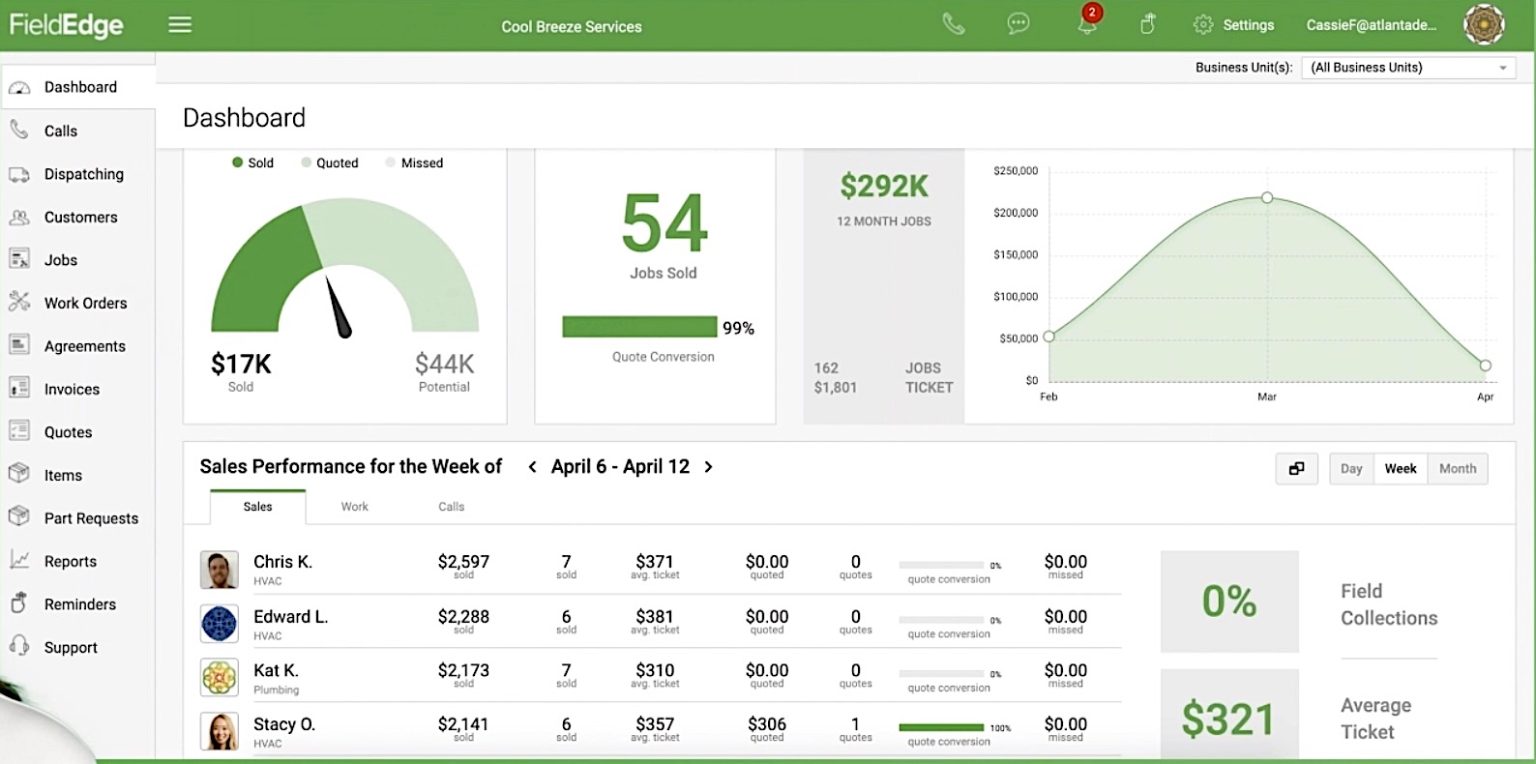
Plumbing management software serves as an essential tool for plumbing contractors, enabling them to streamline their operations, manage projects efficiently, and enhance customer satisfaction. By incorporating various functionalities tailored to the plumbing industry, these software solutions address the unique challenges faced by contractors.The primary features of plumbing management software include job scheduling, invoicing, customer relationship management (CRM), inventory tracking, and reporting tools.
These functionalities not only simplify daily tasks but also provide valuable insights that help contractors make informed decisions, ultimately improving their service delivery.
Key Features of Plumbing Management Software
The core features of plumbing management software are designed to meet the specific needs of plumbing contractors. Understanding these features is crucial for maximizing their business potential. Here’s a breakdown of the essential functions:
- Job Scheduling: This feature enables contractors to efficiently allocate resources and manage work schedules. With real-time updates, contractors can avoid overbooking or schedule conflicts, ensuring that every job is attended to promptly.
- Invoicing: A streamlined invoicing process allows for quick generation of invoices, reducing the time spent on administrative tasks. This feature often includes customizable templates and automated reminders for payments, improving cash flow management.
- Customer Relationship Management (CRM): A built-in CRM system helps contractors manage client interactions and maintain records of service history. This fosters better relationships with customers and enhances service personalization.
- Inventory Tracking: Efficient tracking of inventory ensures that contractors have the necessary supplies on-hand without overstocking. This minimizes waste and reduces costs associated with excess inventory.
- Reporting Tools: Comprehensive reporting tools provide insights into business performance, helping contractors identify trends and areas for improvement. These analytics are crucial for strategic planning and decision-making.
User-friendly interfaces play a significant role in enhancing operational efficiency. A well-designed interface enables users to navigate the software easily, reducing training time and minimizing errors. When plumbing contractors can quickly access the tools they need without confusion, they can focus more on delivering high-quality service to their clients rather than struggling with complex software.
“A user-friendly interface not only enhances productivity but also contributes to a more satisfying user experience.”
In summary, plumbing management software integrates a variety of features that cater specifically to the needs of plumbing contractors. These tools are designed to streamline operations, improve customer relationships, and provide meaningful data to support business growth, all within an intuitive interface that simplifies day-to-day tasks.
The Benefits of Implementing Plumbing Management Software in Your Business
Implementing plumbing management software can transform how plumbing businesses operate, leading to increased efficiency, better customer relationships, and significant cost savings. The advantages of utilizing such software extend far beyond simple project management, offering a comprehensive approach to modern plumbing practices.
Learn about more about the process of fishbowl warehouse management in the field.
Advantages of Using Plumbing Management Software for Project Management
Plumbing management software provides a robust framework for overseeing projects from start to finish. Key benefits include enhanced tracking of project milestones, streamlined communication among team members, and improved accountability.
- Centralized Project Tracking: All project details, including timelines, budgets, and responsibilities, are housed in one platform, allowing for real-time updates and visibility across teams.
- Improved Communication: Integrated messaging and notification features ensure that all team members are informed about project changes, reducing the chances of miscommunication.
- Task Management: Assigning tasks and monitoring their progress becomes more straightforward, ensuring that every team member knows their responsibilities and deadlines.
Improvement of Customer Relationship Management in Plumbing Businesses
Customer relationship management is crucial in the plumbing industry, where word-of-mouth and repeat business play significant roles. Plumbing management software enhances customer interactions through various means.
- Personalized Communication: The software allows businesses to track customer preferences and past interactions, enabling personalized communication that fosters stronger relationships.
- Streamlined Scheduling: Customers can easily book appointments, receive reminders, and reschedule if needed, enhancing their overall experience.
- Feedback and Reviews: Post-service feedback tools help companies gather insights into customer satisfaction, allowing them to address concerns swiftly and improve service quality.
Cost-Saving Aspects of Efficient Scheduling and Resource Allocation
Effective scheduling and resource allocation directly impact a plumbing business’s bottom line. Plumbing management software contributes to significant cost savings through optimal resource management.
- Reduced Downtime: By optimizing schedules, plumbing companies can minimize gaps between jobs, increasing overall productivity and revenue.
- Improved Resource Allocation: The software helps identify the necessary tools and personnel for each job, ensuring that resources are not wasted or underutilized.
- Accurate Job Estimation: With detailed insights and historical data, businesses can provide more accurate estimates to customers, leading to better project planning and reduced overhead costs.
Comparing Top Plumbing Management Software Solutions on the Market
Choosing the right plumbing management software can significantly influence the success and efficiency of your plumbing business. With numerous options available, it’s crucial to assess each software in terms of features, pricing, and support. This guide will help you understand how to evaluate different solutions and provide a detailed comparison of three popular products in the market.When evaluating plumbing management software, consider the following key aspects: functionality, ease of use, customer support, and pricing structures.
The right software should enhance productivity, streamline operations, and cater to the specific needs of your plumbing business. Below is a comparison of three leading plumbing management software solutions.
Feature Comparison of Leading Solutions
A thorough comparison of features can help identify which software best fits your business needs. Below, we will review three top contenders: Jobber, ServiceTitan, and Housecall Pro.
| Software | Key Features | Pricing | Customer Support | Unique Attributes |
|---|---|---|---|---|
| Jobber |
|
$29/month (Basic Plan) | 24/7 Email Support, Live Chat | Strong focus on small to medium businesses |
| ServiceTitan |
|
Custom Pricing (Based on Business Size) | Dedicated Account Manager, 24/7 Phone Support | Robust features for larger enterprises |
| Housecall Pro |
|
$12/month (Basic Plan) | In-App Messaging, Live Support | User-friendly interface for technicians |
“Selecting the right plumbing management software can save your business time, reduce stress, and boost customer satisfaction.”
Each software option has its distinctive strengths. For instance, Jobber is particularly advantageous for small to medium-sized plumbing businesses due to its user-friendly interface and essential features. ServiceTitan stands out with its advanced features designed for larger operations, making it a powerful choice for growing companies looking for comprehensive solutions. Housecall Pro is recognized for its ease of use, especially for on-the-go technicians who benefit from its mobile capabilities.Understanding these differences helps in making an informed decision tailored to the specific requirements of your plumbing business.
How Plumbing Management Software Enhances Communication Among Teams
Effective communication is crucial for the success of any plumbing business. Plumbing management software offers a variety of tools that streamline communication between team members, improving overall productivity and collaboration. By employing these advanced communication features, businesses can bridge gaps that often lead to misunderstandings or delays in service delivery.Integrated communication tools in plumbing management software facilitate seamless interactions among staff.
Features like in-app messaging, shared calendars, and task assignments ensure that everyone is on the same page. These tools allow team members to discuss project details, share updates, and coordinate tasks without relying on external communication platforms that can lead to fragmented conversations. The integrated nature of these tools means that information is readily accessible, reducing the chances of miscommunication.
Real-Time Updates and Notifications
Real-time updates and notifications play a significant role in enhancing team collaboration. By keeping everyone informed about project changes, task completions, or customer requests, plumbing management software fosters a culture of transparency and responsiveness. The following points highlight the importance of real-time updates and notifications in plumbing management software:
- Instant Alerts: Team members receive immediate notifications about schedule changes or urgent customer requests, allowing for swift responses.
- Task Tracking: Employees can view progress on assigned tasks in real-time, ensuring accountability and timely completion.
- Centralized Information: All team members have access to the latest project information, reducing the risk of outdated or incorrect data being used during operations.
- Improved Responsiveness: Quick access to updates means teams can adapt to new information and provide better service to clients.
Consider a scenario where a plumbing company is working on multiple service calls in a single day. Using plumbing management software, a technician notes that a job requires additional materials. The technician sends a quick message through the software to the office, which immediately alerts the dispatch team. They can expedite the order for the needed materials and notify other technicians affected by the change.
This real-time communication ensures that everyone is aware of the adjustments, minimizing downtime and enhancing customer satisfaction through timely service.Such examples illustrate how plumbing management software not only enhances internal communication but also contributes to a more organized and efficient workflow. This leads to improved service delivery, fostering client trust and loyalty.
The Role of Plumbing Management Software in Compliance and Safety Standards
In the plumbing industry, adhering to compliance and safety standards is crucial for maintaining operational integrity and protecting the health of both workers and customers. Plumbing management software plays a pivotal role in ensuring that businesses not only meet necessary regulations but also foster a culture of safety and accountability. By integrating various features that streamline compliance processes, these software solutions enable plumbing companies to focus on their core operations while minimizing risks associated with regulatory oversight.
One of the primary advantages of plumbing management software is its ability to help businesses maintain industry compliance. This is achieved through features that automate the tracking and documentation of compliance-related tasks, ensuring that nothing falls through the cracks. With the software’s comprehensive database, companies can store and access important regulatory information easily, which is essential for audits and inspections.
Moreover, the ability to receive real-time updates regarding changes in local or federal regulations ensures that businesses remain aligned with the latest industry standards.
Features for Safety Training and Documentation
Effective safety training and thorough documentation are vital components in any plumbing business. Plumbing management software often includes modules designed to facilitate ongoing training for employees, ensuring they are well-versed in safety protocols and practices. This software can help track training schedules, certifications, and employee performance, ensuring that all team members meet the necessary qualifications.
Key features that enhance safety training and documentation include:
- Training Management: Allows easy scheduling and tracking of safety training sessions, ensuring all employees complete required courses.
- Document Storage: Centralizes safety manuals, training materials, and incident reports, making it simple for employees to access important information when needed.
- Automated Alerts: Sends reminders for upcoming training renewals and safety drills, helping maintain compliance with safety regulations.
Tracking Inspections and Certifications
The software’s ability to track inspections and certifications is crucial for maintaining compliance with local laws and ensuring all plumbing work meets quality standards. By utilizing plumbing management software, businesses can streamline the inspection process and maintain accurate records of compliance documentation.
The significance of tracking these elements cannot be understated, as it not only ensures adherence to regulations but also reinforces a commitment to quality service. Here are some ways plumbing management software facilitates this process:
- Inspection Scheduling: Automates the scheduling of inspections, allowing businesses to proactively manage compliance deadlines and avoid penalties.
- Real-Time Reporting: Generates detailed reports on inspection outcomes and certification statuses, enabling quick identification of potential compliance issues.
- Integration with Regulatory Bodies: Some advanced software solutions can connect directly with local regulatory agencies, ensuring that all compliance data is updated automatically.
By leveraging these functionalities, plumbing companies can significantly enhance their compliance efforts while fostering a safer working environment. Effective use of plumbing management software not only supports legal obligations but also cultivates a culture of safety and accountability within the organization.
Customization Options in Plumbing Management Software for Diverse Business Needs
In the rapidly evolving plumbing industry, flexibility and adaptability are key components for success. Plumbing management software plays a crucial role in allowing businesses to customize their processes, ensuring that they align with their specific operational needs. Customization can enhance efficiency, streamline workflows, and ultimately contribute to improved customer satisfaction.Businesses can tailor plumbing management software in various ways to suit their unique requirements.
Customization features such as invoicing, reporting, and workflows enable companies to create a system that works best for them, rather than conforming to a one-size-fits-all solution. Here are some notable aspects of customization:
Invoicing Customization
Being able to modify invoicing options is essential for plumbing businesses. Custom invoices can reflect company branding, including logos and color schemes, making them professional and recognizable. Key features include:
- Custom fields: Add or remove fields to capture unique customer information.
- Payment terms: Define specific payment schedules that align with your business practices.
- Multi-currency support: Facilitate transactions in various currencies for international clients.
Reporting Customization
Custom reporting capabilities allow plumbing businesses to track performance metrics relevant to their operations. Businesses can create tailored reports to provide insights into their financial health, job performance, and customer satisfaction. Important customization options include:
- Dynamic report templates: Create reports based on specific parameters that matter most.
- Automated reporting: Schedule automatic generation and delivery of reports to relevant stakeholders.
- Data visualization: Incorporate graphs and charts to present data in an easily digestible format.
Workflow Customization
The ability to customize workflows ensures that plumbing management software fits seamlessly into existing processes. This feature allows businesses to enhance their operational efficiency. Custom workflow options may include:
- Task automation: Automate routine tasks like scheduling and follow-ups, reducing manual entry and errors.
- Role-based permissions: Set specific access levels for team members based on their responsibilities.
- Integration with other tools: Connect with accounting software, CRM systems, and other applications for streamlined operations.
Scalability is another critical aspect of customization in plumbing management software. As businesses grow, their needs evolve, and a scalable system can accommodate this growth without requiring a complete overhaul. Scalable software solutions can handle increased data volumes, additional users, and expanded functionalities, ensuring that your plumbing business continues to thrive as it expands.
Future Trends in Plumbing Management Software Development
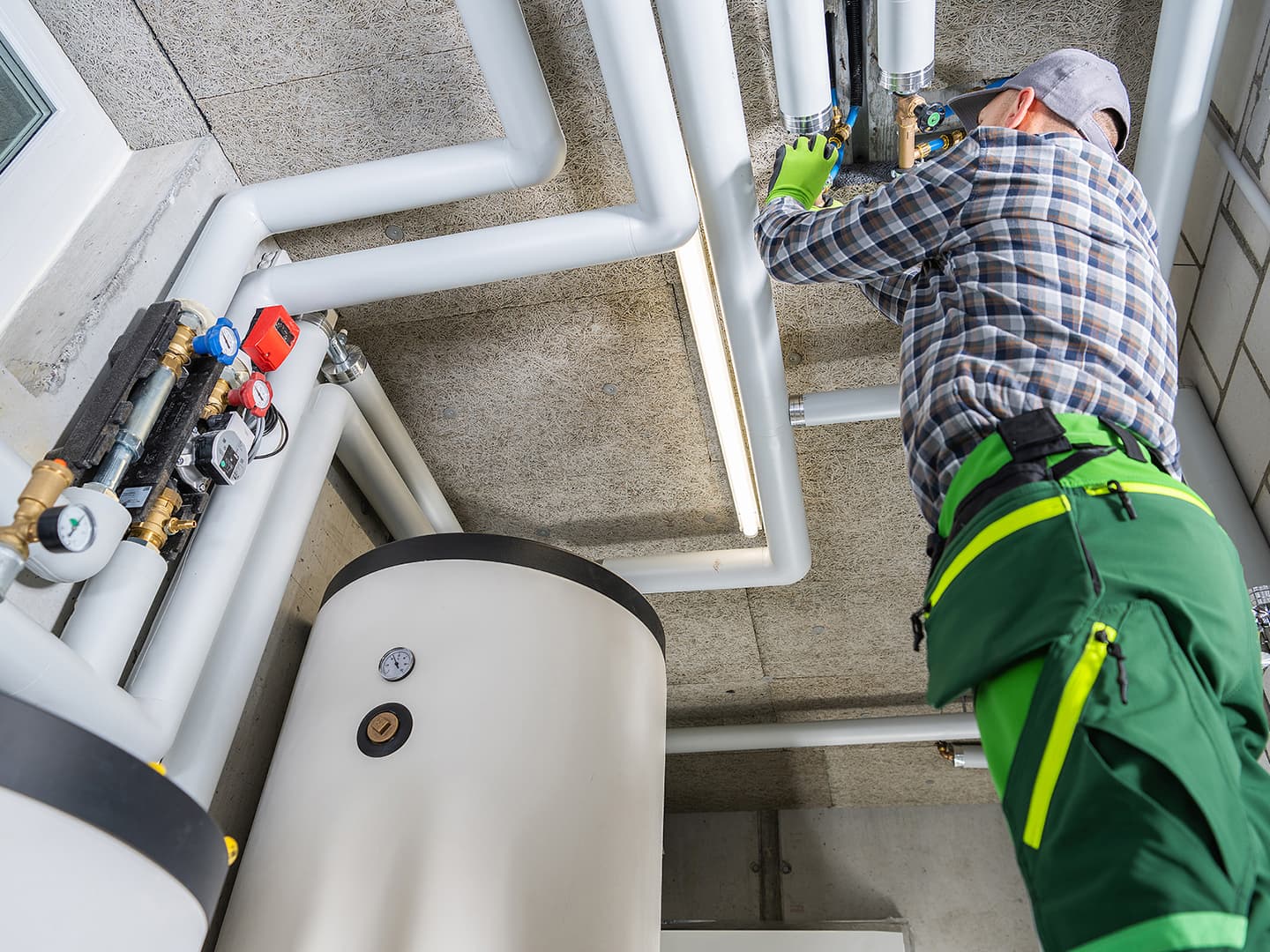
As the plumbing industry continues to evolve, so too does the technology that supports it. Plumbing management software is on the brink of significant advancements that will reshape how plumbing businesses operate, manage their teams, and serve their clients. These technological trends promise to enhance efficiency, streamline processes, and ensure compliance with evolving industry standards.
Potential Technological Advancements Influencing Plumbing Management Software
The plumbing sector is set to benefit from several technological advancements in management software. Innovations such as cloud computing, the Internet of Things (IoT), and advanced data analytics are pivotal. Cloud-based software allows real-time updates and access to data from anywhere, enhancing transparency and decision-making. IoT devices can monitor plumbing systems, providing essential data for maintenance, repairs, and efficiency tracking.
For example, sensors can alert plumbers about leaks or pressure changes, enabling proactive service and reducing operational downtime.
Rise of Mobile Applications Impacting Field Service Management
Mobile applications have become indispensable in field service management, particularly in plumbing. These applications provide plumbers with on-the-go access to job details, customer information, and scheduling tools. This immediate access allows technicians to respond quickly to service calls, improve customer relations, and enhance overall job efficiency. The integration of GPS tracking and route optimization features further streamlines operations, reducing travel time and fuel costs.
For instance, a mobile app can automatically assign jobs based on proximity, ensuring that plumbers are dispatched efficiently.
Impact of Artificial Intelligence and Automation on Plumbing Operations
Artificial Intelligence (AI) and automation are leading the charge towards more streamlined plumbing operations. AI can analyze vast amounts of data to predict maintenance needs, optimize resource allocation, and enhance customer interactions through chatbots. For example, AI-driven analytics can help plumbing businesses forecast demand trends, allowing for better inventory management and scheduling. Automation tools, such as automated invoicing and scheduling systems, reduce manual tasks, freeing up valuable time for plumbers to focus on service delivery.
This shift not only enhances productivity but also improves the accuracy of operations, minimizing human error.
Implementing Plumbing Management Software

Implementing plumbing management software can significantly enhance the efficiency and effectiveness of your plumbing business. However, a successful implementation requires careful planning and execution. This guide Artikels best practices to ensure that your transition to new software is smooth and productive.To effectively implement plumbing management software, follow these key steps:
Step-by-step Guide for Implementation
Start by understanding the current workflow and identifying pain points. This will help in selecting software that meets your specific needs. Here’s a structured approach to ensure success:
1. Define Objectives and Goals
Clearly Artikel what you hope to achieve with the new software—be it improved scheduling, better customer service, or enhanced reporting capabilities.
2. Choose the Right Software
Research different plumbing management software options and select one that aligns with your business goals. Consider factors such as user-friendliness, integration capabilities, and customer support.
3. Develop an Implementation Plan
Create a timeline detailing each phase of the implementation process, including deadlines for software installation, testing, and staff training.
4. Data Migration
Plan for a systematic transfer of existing data into the new system. Ensure data integrity and accuracy during this transition.
5. Conduct Testing
Before full deployment, conduct test runs of the software to identify any glitches or areas for improvement. This step is crucial for minimizing disruptions.
6. Train Your Team
Provide comprehensive training to your staff, covering all features of the new software to ensure everyone is comfortable using it.
7. Go Live
Once testing and training are complete, you can officially launch the software. Monitor its usage closely during the initial stages to address any issues.
8. Gather Feedback and Make Adjustments
After implementation, actively seek feedback from your team to improve the software usage and address any challenges they might face.
Training Methods for Staff
Effective training is vital for maximizing the benefits of your new plumbing management software. Here are some effective training methods:
Hands-On Workshops
Conduct in-person or virtual workshops that allow staff to engage directly with the software, practicing real scenarios they will encounter.
Online Tutorials and Resources
Utilize video tutorials and manuals that staff can refer to during and after training. This can help reinforce their learning.
Ongoing Support
Establish a support system where employees can ask questions or seek assistance as they get accustomed to the new software.
Feedback Sessions
Regularly check in with employees to address concerns or difficulties as they continue using the software, adjusting training as necessary.
Common Challenges During Implementation, Plumbing management software
Businesses often encounter several challenges when implementing plumbing management software. Understanding these potential hurdles can help you proactively devise solutions:
Resistance to Change
Employees may be hesitant to adopt new technology. To combat this, involve them in the selection process and highlight the benefits that the new software will bring.
Insufficient Training
A lack of adequate training can lead to frustration and errors. Ensure that training is comprehensive and ongoing.
Data Migration Issues
Problems with migrating existing data can hinder the implementation process. Develop a clear plan for this step, including backups and data verification.
Integration with Existing Systems
Incompatibility between the new software and existing systems can cause disruption. Perform thorough compatibility checks before implementation.By adhering to these best practices, your plumbing business can confidently navigate the implementation of management software, ensuring a more efficient and organized operation moving forward.
Last Recap
In summary, the implementation of plumbing management software can dramatically transform how plumbing businesses operate, leading to enhanced communication, compliance, and overall productivity. As technology continues to evolve, embracing these software solutions will not only prepare plumbing contractors for the future but also give them a competitive edge in a rapidly changing industry. By investing in the right tools, plumbing professionals can ensure that their businesses are well-equipped for growth and success.
FAQ
What are the key features of plumbing management software?
Key features typically include project management, scheduling, invoicing, customer relationship management, and compliance tracking.
How can plumbing management software improve customer relationships?
It enhances customer relationships by providing efficient communication, timely updates, and better service tracking, leading to increased satisfaction.
Is plumbing management software customizable?
Yes, many solutions offer customization options to adapt to the unique needs of different plumbing businesses, including customized workflows and reporting.
Can plumbing management software help with compliance?
Absolutely, it helps maintain compliance by tracking necessary inspections, certifications, and safety training documentation.
What are the common challenges in implementing plumbing management software?
Common challenges include staff resistance to change, lack of training, and data migration issues, all of which can be managed with proper planning and support.