Plumbing business management software serves as a crucial tool for plumbing companies looking to enhance their operations and efficiency. In an industry often plagued by various operational challenges, the right software can streamline processes and save valuable time and resources. From scheduling appointments to managing customer relationships, incorporating management software enables plumbing businesses to focus on delivering quality services while minimizing administrative burdens.
This innovative software not only simplifies daily tasks but also provides insights that can lead to better decision-making and increased profitability. By embracing technology, plumbing businesses can adapt to the changing landscape and stay ahead of the competition.
The Importance of Plumbing Business Management Software in Streamlining Operations
In the plumbing industry, managing daily operations effectively is crucial for success. Plumbing businesses face various operational challenges such as scheduling conflicts, inefficient communication, and billing errors. Without dedicated management software, these issues can lead to decreased productivity, dissatisfied customers, and ultimately, loss of revenue. By integrating plumbing business management software, companies can streamline operations, enhance efficiency, and provide better service to their clients.Operational challenges like manual scheduling often result in overlaps, missed appointments, and wasted time.
Moreover, without a centralized system for tracking jobs, it becomes increasingly difficult for staff to communicate effectively, leading to delays and customer dissatisfaction. Plumbing businesses also grapple with invoicing and payments, where errors can lead to financial discrepancies and loss of trust among clients. Implementing plumbing business management software can dramatically improve efficiency and workflow in daily operations. This software allows for real-time scheduling and dispatching, which reduces the likelihood of conflicts.
For instance, a plumbing business using scheduling software can view all jobs on a digital calendar, allowing dispatchers to assign technicians based on location and availability, thus minimizing travel time and maximizing the number of jobs completed in a day.Common tasks that are simplified through the use of management software include:
Streamlining Daily Tasks
The integration of plumbing management software simplifies numerous critical tasks, enabling businesses to operate more smoothly. Here are some examples:
- Job Scheduling: Technicians can easily be assigned to jobs based on their skills and availability, ensuring optimal utilization of resources.
- Customer Communication: Automated notifications and reminders can be sent to clients about upcoming appointments, reducing no-shows and enhancing customer satisfaction.
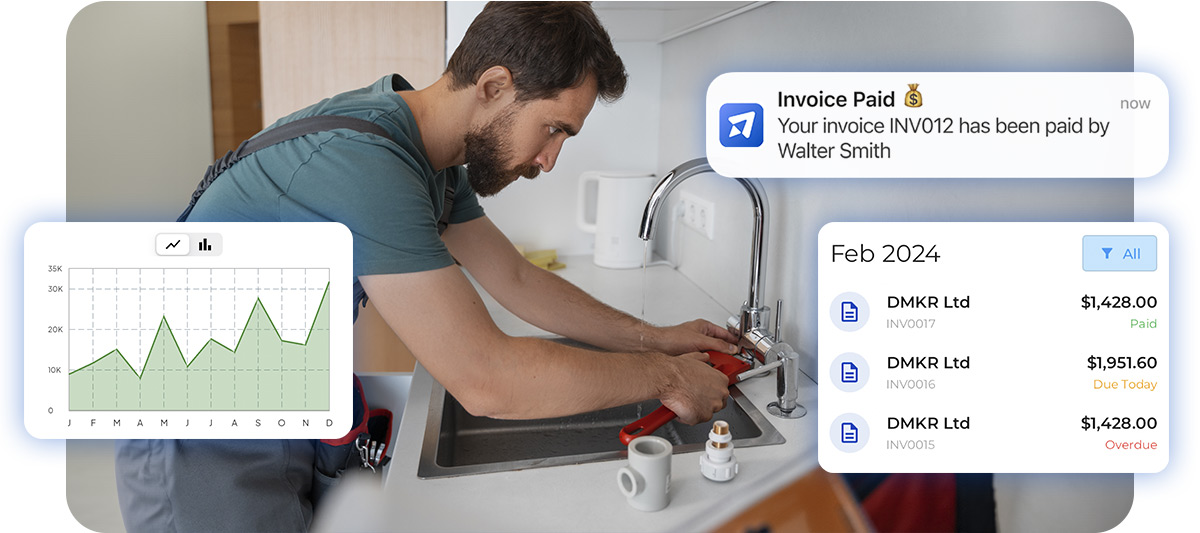
- Invoicing and Payments: Software can generate accurate invoices instantly, allowing for quicker payment processing and reducing administrative errors.
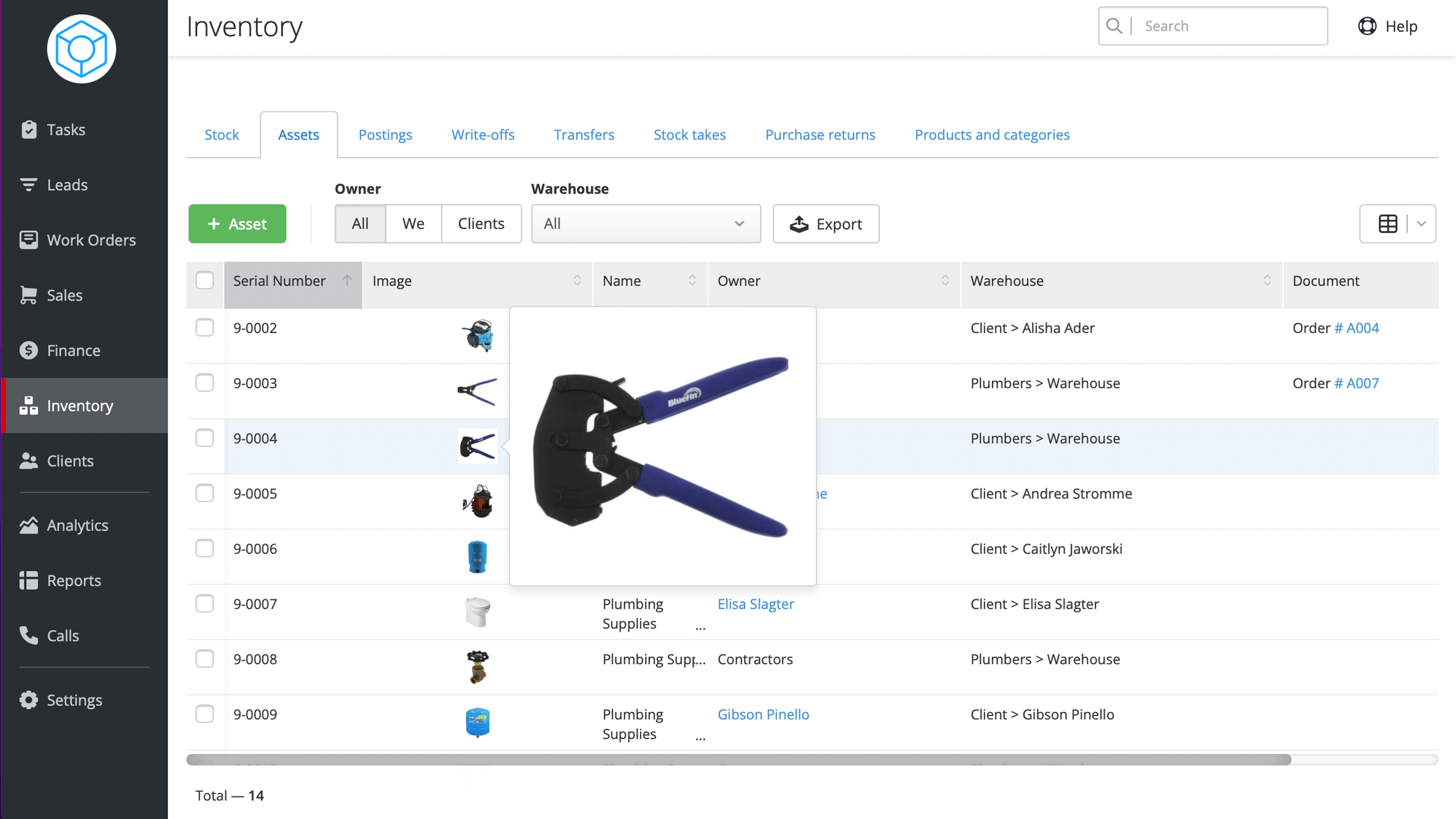
- Inventory Management: Keeping track of supplies and equipment becomes effortless, helping to avoid delays caused by stock shortages.
“With the right plumbing management software, businesses can streamline their operations, enhance customer satisfaction, and ultimately, increase profitability.”
The transition to a management software system can greatly impact how plumbing businesses operate, making them more responsive and efficient in a competitive marketplace.
Key Features of Effective Plumbing Business Management Software
A well-structured plumbing business management software is essential for optimizing the operations of plumbing companies. This software should encompass a variety of features designed to streamline processes, enhance communication, and boost overall productivity. Understanding these key features not only aids in choosing the right software but also ensures that plumbing businesses can harness its full potential.
Customer Relationship Management (CRM)
An efficient CRM feature is vital for tracking customer interactions and managing relationships. It helps plumbing businesses maintain detailed records of customer information, service history, and preferences. This level of detail enhances customer service and fosters loyalty.
Effective CRM can lead to a 20-30% increase in customer retention rates.
Scheduling and Dispatching
Scheduling and dispatching tools are crucial for managing appointments and assigning jobs to technicians. This feature allows for real-time updates and adjustments, ensuring that all jobs are appropriately staffed and timed. It reduces the chances of missed appointments and maximizes technician productivity.
The following benefits illustrate the importance of this feature:
- Streamlined operations by minimizing downtime between jobs.
- Enhanced customer satisfaction through timely service delivery.
- Improved technician utilization, leading to higher revenue per employee.
Invoicing and Payment Processing
An integrated invoicing and payment processing system simplifies the billing procedure and ensures timely payments. It allows plumbing businesses to generate invoices automatically, send them to customers, and process payments swiftly. This feature contributes significantly to cash flow management.
When investigating detailed guidance, check out business payroll software now.
Timely invoicing can lead to a 30% reduction in accounts receivable days.
Inventory Management
Effective inventory management is a key component of plumbing business management software. It helps track stock levels, manage orders, and reduce waste. By keeping accurate records of materials used and available, businesses can avoid delays in service and ensure that technicians always have the necessary supplies.
The advantages of this feature include:
- Reduction in overstocking and understocking issues.
- Enhanced ability to forecast future inventory needs based on service demand.
- Better cost management through optimized purchasing decisions.
Reporting and Analytics
Reporting and analytics tools provide essential insights into business performance. By analyzing key metrics such as sales, expenses, and customer satisfaction, plumbing businesses can make informed decisions to improve operations and drive growth.
Companies that leverage analytics are five times more likely to make faster decisions than their competitors.
Mobile Access
Mobile access is increasingly important in today’s fast-paced environment. Effective plumbing business management software should offer mobile-friendly interfaces or apps that allow technicians to view schedules, access customer information, and update job statuses on the go. This feature enhances real-time communication and operational efficiency.
Users can evaluate the effectiveness of these features by assessing how well they integrate into daily operations, the ease of use for staff, and the overall impact on customer satisfaction and profitability. Regular feedback and performance metrics can guide adjustments and improvements, ensuring that the software continues to meet the evolving needs of the plumbing business.
Cost-Benefit Analysis of Implementing Plumbing Business Management Software
Implementing plumbing business management software can initially appear daunting due to the associated costs. However, understanding the potential return on investment (ROI) can provide clarity. Analyzing the costs versus the benefits can illuminate how adopting such software not only streamlines operations but also positions businesses for growth and increased profitability.The costs associated with adopting plumbing business management software typically include licensing fees, potential customizations, and training expenses for staff.
Licensing fees can vary widely depending on the features and the vendor. Initial setup may also include expenses for data migration and any necessary system integrations with existing tools. Training is essential to ensure that staff can utilize the software effectively, which may involve workshops or online courses.
Long-Term Financial Benefits of Software Implementation
While the initial investment might seem significant, the long-term financial benefits of implementing plumbing business management software can outweigh these costs. Businesses can expect increased revenue and reduced overhead, leading to improved profit margins. Here are key factors to consider in this analysis:
- Increased Efficiency: Streamlined operations reduce the time spent on administrative tasks, allowing more focus on service delivery. For instance, a plumbing company that reduces administrative overhead by 20% can translate this time into more jobs completed, directly increasing revenue.
- Improved Customer Management: With integrated customer relationship management (CRM) features, businesses can enhance customer satisfaction and retention. Happy customers often lead to repeat business and referrals, which are vital for growth.
- Reduced Overhead Costs: By automating repetitive tasks like scheduling, invoicing, and inventory management, businesses can cut labor costs and minimize human error. This contributes to lower operational costs overall.
- Better Financial Tracking: Real-time reporting and analytics help businesses stay on top of financial performance. Identifying profitable services and areas needing attention can drive strategic decisions, leading to increased profitability.
Calculating the ROI for plumbing businesses using management software involves assessing the net financial benefit gained from the software against its cost. The formula for ROI is as follows:
ROI = (Net Profit from Software Implementation – Cost of Software) / Cost of Software x 100%
For example, if a plumbing business invests $5,000 in software and subsequently sees a net profit increase of $15,000 over the next year, the ROI would be:
ROI = ($15,000 – $5,000) / $5,000 x 100% = 200%
A 200% ROI signifies a substantial benefit from the software, making it a sound investment. By regularly evaluating these financial metrics, plumbing businesses can ensure they are not only reaping the benefits of the software but also making informed decisions about future investments.
Integrating Plumbing Business Management Software with Existing Tools
Integrating plumbing business management software with existing tools is crucial for maximizing efficiency and ensuring a seamless workflow. Many plumbing businesses rely on various systems for invoicing, scheduling, customer relationship management (CRM), and more. Having these systems communicate effectively can lead to improved data accuracy and reduced manual labor, ultimately enhancing overall productivity.Integrating management software involves connecting various applications and tools so they can share data and work together cohesively.
This process allows for real-time updates and helps eliminate data silos that can cause inefficiencies. By ensuring that all components of the business are interconnected, plumbing companies can streamline their operations significantly.
Step-by-Step Guide for Seamless Integration
To achieve a successful integration of plumbing business management software with existing tools, follow this structured step-by-step guide:
1. Assess Current Tools and Systems
Identify all the software applications currently in use, such as invoicing systems, scheduling tools, and CRM platforms. Evaluate their capabilities and how they serve your business needs.
2. Choose Compatible Software
Select a plumbing business management software that is compatible with the existing tools. Ensure it has integration capabilities with commonly used platforms in the plumbing industry.
3. Create an Integration Plan
Artikel your integration objectives, detailing what you want to achieve with the integration—like automating invoicing or syncing schedules.
4. Set Up API Connections
If both systems support APIs (Application Programming Interfaces), establish connections between them. This allows the programs to communicate and share data effectively.
5. Test the Integration
Before fully deploying the integrated system, conduct tests to verify that data syncs properly between the tools and that all functionalities work as intended.
6. Train Your Team
Provide necessary training to your team members on how to use the integrated software effectively. This helps in minimizing resistance to new systems and ensures everyone is on the same page.
7. Monitor and Optimize
After the integration is live, continuously monitor its performance. This enables you to make adjustments as needed and ensure that everything runs smoothly.
Common Pitfalls and How to Avoid Them, Plumbing business management software
While integrating plumbing business management software can be highly beneficial, some common pitfalls may arise. Being aware of these can help in mitigating potential issues:
Neglecting Data Cleanup
Before integration, ensure that your existing data is accurate and well-organized.
Cleaning up your data before integration can prevent errors and inconsistencies that may hinder operations.
Overlooking User Training
Failing to adequately train your staff can lead to confusion and decreased productivity. Investing time in training will pay off in the long run.
Ignoring Technical Support
Ensure you have access to technical support from both your plumbing management software provider and your existing tools. This can help resolve any integration issues quickly.
Setting Unrealistic Expectations
Integration may take time, and expecting immediate results can lead to frustration. Patience and a phased approach can lead to more successful outcomes.By following this guide and being mindful of common pitfalls, plumbing businesses can successfully integrate their management software with existing tools, leading to a more efficient operational workflow.
The Role of Customer Relationship Management in Plumbing Business Software
In the plumbing industry, maintaining strong relationships with customers is crucial for sustainable growth and success. Customer Relationship Management (CRM) features embedded in plumbing business management software play a vital role in fostering these relationships. Effective CRM tools allow plumbing businesses to track interactions, manage customer information, and enhance service delivery, ultimately resulting in higher customer satisfaction and loyalty.Managing customer data effectively is a game-changer for plumbing businesses looking to boost retention rates.
With comprehensive records of customer preferences, service history, and communication logs, businesses can tailor their services to meet individual needs. This personalized approach not only shows customers that they are valued but also encourages repeat business.
Strategies for Leveraging CRM Data to Improve Service Offerings and Customer Satisfaction
Utilizing CRM data can significantly enhance service offerings and customer satisfaction in several ways. Understanding customer preferences and feedback is essential for continuous improvement. Here are some effective strategies to consider:
1. Personalization of Services
By analyzing customer data, plumbing businesses can offer tailored services that cater to specific needs. For example, if a customer frequently requires emergency plumbing services, a business can proactively provide reminders or special promotions for such services.
2. Proactive Communication
Automated reminders for regular maintenance or check-ups can be sent through the CRM system. This not only keeps customers engaged but also prevents potential plumbing issues from escalating, demonstrating the business’s commitment to customer care.
3. Feedback Collection
Utilizing CRM tools to gather customer feedback post-service can provide invaluable insights. This information can be used to make adjustments to services, address concerns, and ultimately improve the customer experience.
4. Targeted Marketing Campaigns
Analyzing customer demographics and service history can help businesses develop targeted marketing campaigns. For instance, sending seasonal promotions or special offers to customers based on their service history can drive engagement and sales.
5. Enhanced Follow-Up Processes
Establishing a structured follow-up system through CRM ensures that no customer feels neglected. Whether it’s checking in after a service or offering assistance for any issues, consistent follow-ups can significantly enhance customer satisfaction.By implementing these strategies, plumbing businesses can leverage their CRM capabilities to not only meet but exceed customer expectations, fostering long-term relationships that translate into repeat business and positive referrals.
Training and Support for Plumbing Business Management Software
Implementing plumbing business management software is just the first step in transforming your operations. It’s equally important to ensure that your team is well-equipped to leverage the full potential of this technology. Training and ongoing support are critical components that contribute to the successful adoption and sustained usability of the software within your plumbing business.Effective training programs are essential to empower staff members to utilize plumbing management software effectively.
Comprehensive training not only enhances user proficiency but also boosts confidence in navigating the software’s features. A well-structured training program should include initial onboarding sessions, followed by advanced training as users become more familiar with the system.
Necessary Training Programs for Staff
Training programs should be tailored to the specific features of the software and the roles of different staff members within the plumbing business. Here are key elements to include in your training strategy:
- Initial Onboarding: Introduce new users to the software’s interface, basic functionalities, and best practices through hands-on workshops or guided tutorials.
- Role-Specific Training: Provide targeted training for different roles, such as dispatchers, technicians, and administrative staff, focusing on the features that are most relevant to their responsibilities.
- Advanced Workshops: Offer periodic workshops on advanced features or updates to ensure staff stays proficient as the software evolves.
- Documentation and Resources: Develop a repository of user manuals, video tutorials, and FAQs that staff can access at any time to enhance their understanding.
Ongoing support is equally important to help staff maintain their competency.
Best Practices for Providing Ongoing Support
Creating a supportive environment for users involves several best practices that can promote continuous learning and problem-solving:
- Help Desk Availability: Establish a dedicated support team that is easily accessible to users via phone, chat, or email for immediate troubleshooting and guidance.
- Regular Check-Ins: Schedule routine follow-up sessions or feedback meetings with staff to address any challenges they face and gather insights on software usability.
- User Groups: Form internal user groups where staff can collaborate, share tips, and discuss best practices, fostering a culture of knowledge-sharing.
- Feedback Mechanism: Implement a structured feedback system that encourages users to report issues, request features, and suggest improvements, ensuring their voices are heard in the development process.
User feedback plays a crucial role in improving software usability and functionality.
Importance of User Feedback
Gathering and analyzing user feedback is vital for continuous software enhancement. It allows businesses to understand the real-world challenges users face and identify areas that require improvement.
“User feedback not only informs software updates but also fosters user engagement and satisfaction.”
Incorporating an effective feedback loop can lead to enhanced functionalities that align more closely with user needs. Engaging staff in this process cultivates a sense of ownership and promotes a more effective use of the software in daily operations. Through targeted training, ongoing support, and leveraging user feedback, plumbing companies can maximize the benefits of management software, driving efficiency and growth in their operations.
Future Trends in Plumbing Business Management Software
As plumbing businesses continue to evolve with technological advancements, the management software designed for this sector is also undergoing significant transformations. The incorporation of emerging trends and technologies is reshaping how plumbing businesses operate, enhancing efficiency and customer satisfaction. Staying informed about these trends is crucial for businesses aiming to maintain a competitive edge and optimize their operations.Advancements in artificial intelligence (AI) and automation are at the forefront of these trends, promising to significantly enhance operational efficiency in plumbing businesses.
By leveraging these technologies, plumbing companies can streamline processes, improve decision-making, and provide better service to their customers. This integration of AI and automation not only reduces manual workloads but also enables data-driven insights that inform business strategies.
Emerging Trends and Technologies
The plumbing business management software market is experiencing several key trends driven by technology. These innovations are essential for businesses that want to thrive in a rapidly changing environment.
- AI-Powered Predictive Maintenance: With the ability to analyze historical data, AI can predict equipment failures before they happen, allowing businesses to schedule maintenance proactively. This approach minimizes downtime and reduces emergency repair costs.
- Mobile Solutions: Increasingly, plumbing businesses are adopting mobile applications that allow technicians to access job details, customer information, and routing tools on-the-go. This enhances productivity and improves communication between field staff and office personnel.
- Integration with IoT Devices: The Internet of Things (IoT) is transforming the plumbing landscape. Smart sensors can monitor water usage and detect leaks in real-time, providing valuable data that can be used to optimize service and reduce costs.
- Cloud-Based Solutions: Cloud technology offers flexibility and scalability, enabling plumbing businesses to access their management software from anywhere. This is particularly beneficial for companies with multiple locations or remote teams.
- Enhanced Customer Relationship Management (CRM): Modern plumbing management software is increasingly incorporating advanced CRM features that allow businesses to track customer interactions, preferences, and feedback, fostering stronger relationships.
“The future of plumbing management solutions lies in their ability to integrate seamlessly with advanced technologies, ultimately enhancing operational efficiency and customer satisfaction.”
Impact of AI and Automation
The integration of AI and automation within plumbing business management software promises to revolutionize how these businesses operate. By automating routine tasks such as scheduling, invoicing, and customer follow-ups, plumbing companies can free up valuable time for their employees to focus on more strategic activities.The use of AI algorithms can analyze vast datasets to provide insights into operational efficiency, helping businesses identify areas for improvement.
For example, predictive analytics can forecast demand trends based on seasonal patterns, ensuring that businesses are well-prepared for peak service times.As technology continues to evolve, plumbing businesses will increasingly rely on data-driven decision-making. By embracing these advancements, companies can improve their responsiveness to customer needs and enhance their service offerings.
“Automation and AI are set to redefine the plumbing industry, enabling businesses to operate more efficiently while delivering exceptional customer experiences.”
Predictions for the Future
Looking ahead, it is clear that the trends in plumbing business management software will shape the industry in the coming years. Companies that adapt and integrate these technologies will not only enhance their operational processes but also position themselves as leaders in customer service.For instance, as more businesses adopt AI-driven management systems, we can expect a shift toward a more proactive service model.
Plumbing companies could leverage predictive analytics to anticipate customer needs and offer tailored services before issues arise. This level of foresight could significantly enhance customer satisfaction and loyalty.Moreover, as remote work becomes more prevalent, the demand for robust cloud-based solutions will continue to grow. Companies that invest in scalable, flexible software solutions will be better equipped to manage operations across various locations and adapt to changing market demands.In conclusion, the future of plumbing business management software is bright, driven by innovation and technological advancements.
By staying ahead of these trends, plumbing businesses can ensure they not only survive but thrive in an increasingly competitive market.
Case Studies of Successful Plumbing Businesses Using Management Software
The implementation of plumbing business management software has proven to be a game-changer for many companies in the plumbing industry. By leveraging technology, these businesses have optimized their operations, enhanced customer satisfaction, and improved their bottom line. Here, we explore several real-life examples of plumbing businesses that have successfully adopted management software and the significant impact on their operations.
Successful Implementations and Their Impacts
One notable case is AquaTech Plumbing, a medium-sized plumbing service provider based in California. After integrating management software into their operations, they witnessed a remarkable 25% increase in efficiency. The software streamlined scheduling, invoicing, and customer communications, which allowed their technicians to focus on service delivery rather than administrative tasks. By automating routine processes, AquaTech saved 10 hours a week in administrative work, translating to more service calls and higher revenue.
Lessons Learned:
- Training staff on the new software was crucial for successful adoption. AquaTech invested in comprehensive training sessions that empowered their team to fully utilize the software capabilities.
- Continuous feedback from technicians led to adjustments in their operational processes, ensuring that the tools worked effectively in the field.
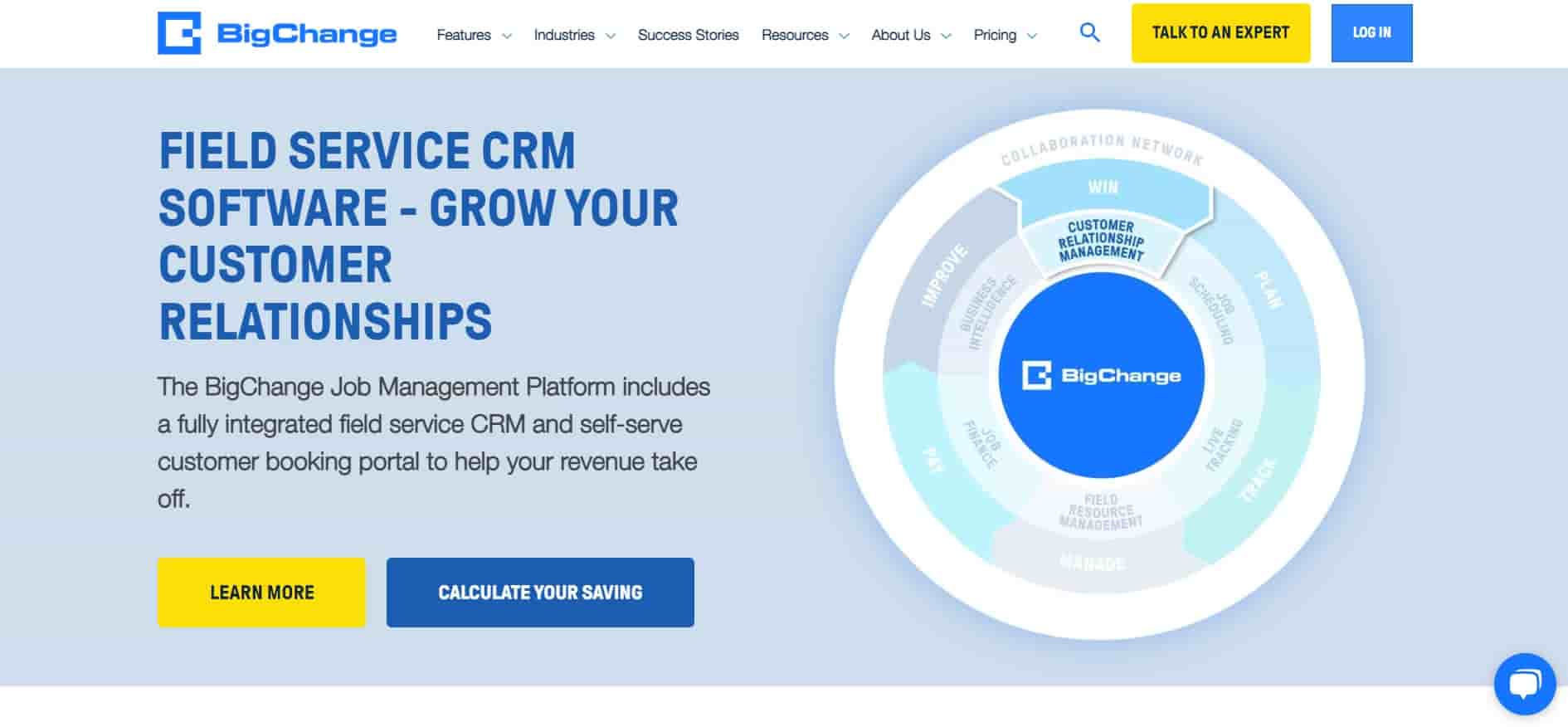
Another exemplary case is Metro Plumbing, a family-owned business in Texas that faced challenges with tracking work orders and managing customer relationships. After implementing a robust management software solution, the business enjoyed a 30% reduction in response time to customer inquiries. The software’s CRM capabilities allowed them to follow up on leads effectively and maintain a personalized approach, which significantly improved customer satisfaction ratings.
Unique Approaches:
- Metro Plumbing developed a phased rollout plan for the software implementation. They started with key functionalities like scheduling and invoicing, gradually adding more features like customer relationship management and reporting to ensure a smooth transition.
- The company also created a feedback loop where employees could share their experiences with the new system, fostering a culture of continuous improvement.
These case studies illustrate the importance of tailored software solutions in the plumbing industry. By addressing specific operational challenges and investing in proper training, businesses like AquaTech Plumbing and Metro Plumbing have successfully transformed their operations to be more efficient and customer-centric.
Ending Remarks
In conclusion, plumbing business management software is not just a luxury but a necessity for those aiming to improve their operational efficiency and customer satisfaction. As we’ve explored, the benefits of implementing such software outweigh the costs, leading to enhanced productivity and better service offerings. By investing in this technology, plumbing businesses can expect not only to thrive today but also to prepare for the future of the industry.
FAQ Corner
What are the main features of plumbing business management software?
The main features include scheduling, invoicing, customer relationship management (CRM), reporting, and integration with other tools.
How can plumbing software improve customer service?
It improves customer service by providing quick access to customer information and service history, enabling personalized interactions.
Is training necessary for using plumbing management software?
Yes, training is essential to ensure that staff can effectively utilize the software and maximize its features.
How does plumbing business management software help with invoicing?
The software automates invoicing processes, reducing errors and speeding up payment collection.
Can plumbing business management software be integrated with existing tools?
Yes, many plumbing management software options are designed to integrate seamlessly with other tools like accounting and scheduling systems.