Fishbowl warehouse management takes center stage as an essential tool in modern logistics, revolutionizing the way businesses handle inventory and warehouse operations. In today’s fast-paced supply chain environment, effective warehouse management is not just a luxury but a necessity for maintaining competitiveness. Fishbowl offers unique advantages over traditional inventory methods, enhancing efficiency and driving down operational costs.
By leveraging core functionalities such as real-time tracking and comprehensive inventory management, Fishbowl empowers businesses to streamline their processes and improve accuracy. This overview will delve into the critical features of Fishbowl, its advantages over other systems, and effective implementation strategies that can transform warehouse management.
The importance of fishbowl warehouse management systems in modern logistics
In today’s fast-paced supply chain environment, effective warehouse management is of paramount importance. A well-organized warehouse not only ensures the seamless flow of goods but also enhances overall operational efficiency. As businesses strive to meet customer demands promptly and accurately, the role of warehouse management systems (WMS) like Fishbowl cannot be overstated. These systems streamline operations and provide valuable insights that are essential for making informed decisions in logistics.Modern logistics relies heavily on efficient inventory management, which directly impacts supply chain operations.
A Fishbowl warehouse management system offers several advantages over traditional methods. This innovative solution combines advanced technology with user-friendly interfaces, enabling businesses to optimize their inventory processes seamlessly.
Advantages of Fishbowl System Over Traditional Inventory Management
The transition from traditional inventory management methods to a Fishbowl system brings multiple benefits that enhance productivity and reduce costs. Consider the following points that highlight its advantages:
- Real-time Inventory Tracking: Fishbowl allows for real-time tracking of inventory levels, which ensures that businesses have the most accurate data at their fingertips. This capability minimizes stockouts and overstock situations, directly improving customer satisfaction.
- Automated Processes: By automating various warehouse tasks—such as order picking, inventory counts, and shipping—Fishbowl significantly reduces the likelihood of human error. This automation not only saves time but also increases the accuracy of inventory management.
- Enhanced Reporting and Analytics: Fishbowl provides detailed reports and analytics that help businesses make data-driven decisions. These insights can identify trends, forecast demand, and streamline restocking processes, leading to better resource allocation.
- Improved Order Fulfillment: With features designed to optimize the picking and packing process, Fishbowl enhances order fulfillment speed and accuracy. Quicker shipping times lead to higher customer retention and satisfaction rates.
- Scalability: As businesses grow, their operational needs evolve. Fishbowl easily scales to accommodate increased inventory levels and additional warehouses, making it a long-term solution for companies of all sizes.
The implementation of a Fishbowl warehouse management system not only boosts efficiency but also contributes to significant cost savings. By optimizing labor, reducing waste, and enhancing accuracy, businesses can see a direct impact on their bottom line.
“Effective warehouse management through systems like Fishbowl can reduce operational costs by as much as 20% over traditional methods.”
In conclusion, the shift towards advanced warehouse management systems such as Fishbowl is not just an option but a necessity in modern logistics. Embracing these systems can lead to improved operational efficiency, lower costs, and ultimately, a competitive advantage in today’s market.
Key features and functionalities of fishbowl warehouse management systems
Fishbowl warehouse management systems (WMS) provide critical support for businesses striving for efficiency in their logistics operations. By incorporating advanced features, these systems simplify complex processes, enhance tracking capabilities, and improve overall accuracy within warehouse environments. Fishbowl’s comprehensive toolbox allows businesses to streamline operations and ultimately boost their bottom line.One of the standout functionalities of Fishbowl is its ability to integrate seamlessly with various software platforms, such as QuickBooks and Xero.
This integration ensures that all financial data is aligned with inventory movements, reducing discrepancies and enabling better decision-making. Additionally, the system offers features like order management, shipping integration, and receiving management that streamline the entire process from inventory arrival to order fulfillment.
Real-time tracking and inventory management
Real-time tracking is a pivotal aspect of the Fishbowl system that transforms how warehouses operate. By providing visibility into inventory levels and locations at any given moment, businesses can make informed decisions and respond swiftly to changes in demand. Real-time updates also reduce the likelihood of stockouts or overstock situations.The significance of accurate inventory management cannot be overstated. Fishbowl employs sophisticated technology to track stock movements, ensuring that every item is accounted for.
This functionality includes barcode scanning, which facilitates quick and precise data entry during inventory counts and order picking. The result is improved accuracy and a notable reduction in human error.The following features exemplify how Fishbowl’s real-time tracking and inventory management capabilities streamline warehouse processes:
- Barcode Scanning: This feature allows for easy tracking of inventory items, enabling quick updates and reducing inaccuracies typically associated with manual entries. For example, a warehouse using barcode scanning can process an incoming shipment in minutes rather than hours.
- Inventory Alerts: Fishbowl can send notifications when stock levels reach a predefined threshold, helping managers to reorder supplies proactively. This functionality prevents stockouts and ensures that the supply chain remains uninterrupted.
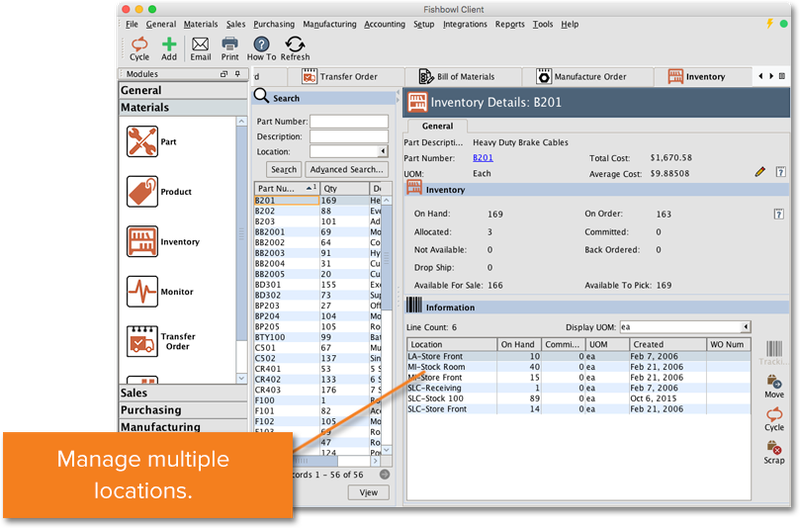
- Multi-Location Support: Businesses often operate across multiple warehouses. Fishbowl’s ability to manage inventory across various locations helps in tracking stock levels and movements without confusion, enhancing organizational efficiency.
- Order Tracking: With real-time order tracking, customers can receive updates on their order status, leading to improved satisfaction and trust. Businesses can also quickly identify any delays or issues in the order fulfillment process.
“Real-time tracking not only enhances operational efficiency but also empowers businesses to respond to challenges more effectively.”
Fishbowl’s robust functionalities not only streamline warehouse operations but also foster a culture of accountability and precision. As companies continue to adopt technologically advanced solutions, Fishbowl stands out as a formidable ally in modern warehouse management.
Comparative analysis of fishbowl warehouse management versus other systems
Fishbowl Warehouse Management stands out in an increasingly crowded field of software solutions designed to optimize logistics and inventory operations. A comparative analysis reveals its strengths and weaknesses relative to other popular warehouse management systems (WMS) available today. Businesses can make informed decisions when evaluating their specific operational needs against the unique offerings of each system.When looking at warehouse management systems, it is essential to consider not only the basic functionalities but also the unique features that could cater to distinct business requirements.
In this topic, you find that hr software for small companies is very useful.
Fishbowl Warehouse Management is known for its integration capabilities, user-friendly interface, and affordability, making it a compelling option for small to medium-sized businesses. Let’s delve into how it stacks up against other leading systems.
Comparison of Features and Unique Selling Points
The following points highlight how Fishbowl Warehouse Management compares with other systems like SAP Extended Warehouse Management, Oracle Warehouse Management, and Manhattan Associates:
- Integration Capabilities: Fishbowl integrates seamlessly with QuickBooks and other software systems. Unlike some larger WMS solutions that require extensive customization for integration, Fishbowl offers a more straightforward approach, saving businesses both time and resources.
- User Experience: The user interface of Fishbowl is designed with simplicity in mind, making it more accessible for users without extensive technical knowledge. In contrast, systems like SAP and Oracle, while feature-rich, can be complex and may require specialized training.
- Cost-Effectiveness: Fishbowl is typically more affordable than larger WMS solutions. This price advantage makes it an attractive option for small to medium-sized businesses that aim to enhance their logistics without heavy investments.
- Flexibility and Customization: Fishbowl offers customizable solutions that can adapt to various business needs. Many larger systems provide rigid structures that may not fit all operational scenarios, potentially leading to inefficiencies.
Scenarios Favoring Fishbowl
Fishbowl may be a more advantageous choice in specific scenarios where businesses require a tailored approach to warehouse management. The following situations illustrate when Fishbowl could outperform its competitors:
- For small to medium-sized enterprises looking to upgrade from manual processes, Fishbowl’s affordable pricing and ease of use make it a practical choice.
- Businesses with a high volume of QuickBooks transactions or inventory management needs can significantly benefit from Fishbowl’s seamless integration, enhancing operational efficiency without disrupting existing workflows.
- Companies that require a quick implementation and a user-friendly system will find Fishbowl’s straightforward setup process appealing, allowing them to focus on their core business operations rather than software training.
- Organizations in fast-paced industries that need adaptability and the ability to pivot quickly will appreciate Fishbowl’s customization options, empowering them to modify workflows to meet fluctuating demands.
“The true strength of a warehouse management system lies not just in its features, but in how well it aligns with the unique operational needs of a business.”
Implementation strategies for a successful fishbowl warehouse management system
Implementing a Fishbowl warehouse management system can enhance efficiency and accuracy in logistics operations. A successful rollout can streamline operations, reduce errors, and improve inventory visibility. However, the implementation process requires careful planning and execution to ensure that the new system meets the specific needs of the warehouse.The process of implementing a Fishbowl system involves several key steps that can help organizations achieve a smooth transition.
Each step is crucial for configuring the system, training employees, and integrating with existing operations.
Step-by-step implementation process
Implementing a Fishbowl warehouse management system involves a systematic approach that can be broken down into the following steps:
- Assessment of current operations: Evaluate existing warehouse processes and identify areas for improvement. This step helps to understand the requirements and adjustments needed for the new system.
- Defining objectives: Set clear goals for what the organization aims to achieve with the Fishbowl system, such as reducing order processing time or improving stock accuracy.
- System configuration: Customize the Fishbowl software to align with the specific needs of the warehouse operation. This includes setting up inventory categories, locations, and user access rights.
- Data migration: Transfer existing inventory and order data from the old system to Fishbowl, ensuring data integrity and accuracy throughout the process.
- Training employees: Provide comprehensive training sessions for staff on using the Fishbowl system and understanding new processes. This is critical to ensure everyone is confident and comfortable with the new system.
- Testing the system: Conduct pilot testing to identify any issues or bugs before the full rollout. This phase allows for adjustments and fine-tuning of system settings.
- Full implementation: Transition to the Fishbowl system for all daily operations, closely monitoring performance and addressing any issues as they arise.
- Continuous evaluation: After implementation, consistently review system performance and user feedback to make necessary adjustments and improvements over time.
Challenges during implementation
Organizations may face various challenges during the implementation of a Fishbowl warehouse management system. Addressing these potential obstacles proactively can help ensure a smoother transition.
Common challenges include resistance to change, inadequate training, and data migration issues.
Many employees may feel hesitant or resistant to change, particularly if they are accustomed to older systems. To overcome this challenge, it’s essential to communicate the benefits of the new system clearly and involve employees in the implementation process, fostering a sense of ownership.Inadequate training can lead to confusion and mistakes during the early stages of system use. To mitigate this issue, organizations should invest in thorough training sessions and provide ongoing support resources for employees.Data migration can be fraught with difficulties, such as incomplete or incorrect data being transferred to the new system.
A detailed data migration plan, including validation steps, can help ensure a smooth transfer and maintain data accuracy throughout the process.
Best practices for a smooth transition
To ensure a successful transition to a Fishbowl warehouse management system, consider implementing the following best practices:The following checklist provides essential best practices for a smooth implementation:
- Engage stakeholders early: Involve key stakeholders in discussions about system requirements and changes to gather insights and foster cooperation.
- Develop a detailed project plan: Artikel timelines, resources, and responsibilities to keep the implementation process organized and transparent.
- Prioritize communication: Maintain open lines of communication throughout the implementation process to ensure everyone is informed and engaged.
- Conduct regular progress reviews: Frequently assess the implementation status, addressing any concerns or challenges promptly to stay on track.
- Leverage support resources: Utilize Fishbowl’s support services and community forums for guidance and troubleshooting during the transition.
- Gather feedback post-implementation: Solicit feedback from users after implementation to identify areas for improvement and make necessary adjustments.
The role of training and user adoption in maximizing the effectiveness of fishbowl systems

Training plays a pivotal role in the successful implementation and ongoing use of Fishbowl warehouse management systems. Without proper training, even the most advanced software can become underutilized, leading to inefficiencies and frustration among staff. It’s essential to equip employees with the necessary skills and knowledge to fully leverage the capabilities of Fishbowl, ensuring that the warehouse operates smoothly and effectively.A comprehensive training program not only aids in the initial onboarding process but also fosters confidence among warehouse staff as they adapt to new technologies.
This confidence translates into higher productivity and reduced errors. Furthermore, the ongoing support helps maintain high engagement levels, which is crucial for the long-term success of the Fishbowl system.
Importance of Adequate Training
Effective training is the backbone of successful software adoption. It establishes a foundation for staff to understand the intricacies of Fishbowl’s features and functionalities. Key components of a robust training program include:
- Structured Learning Paths: Tailored courses that address various roles within the warehouse, ensuring that every team member receives relevant information.
- Hands-On Workshops: Interactive sessions that allow staff to engage with the software in a controlled environment, facilitating practical learning experiences.
- Access to Resources: Providing manuals, video tutorials, and FAQs helps reinforce learning and offers a self-service option for employees to revisit topics as needed.
Strategies for Promoting User Adoption
User adoption is vital for harnessing the full potential of Fishbowl systems. To promote engagement among warehouse staff, consider implementing the following strategies:
- Involve Employees Early: Including team members in the planning and decision-making processes fosters a sense of ownership, making them more likely to embrace the system.
- Highlight Benefits: Clearly communicate how Fishbowl will simplify tasks and enhance overall efficiency. Sharing success stories from other teams can boost morale and excitement.
- Encourage Peer Support: Establishing a buddy system where experienced users mentor new ones promotes collaboration and eases the transition to the new system.
Ongoing Training and Support Recommendations
Continuous education is essential for maintaining high efficiency levels within the warehouse after the initial training phase. Regular updates and refresher courses keep staff informed on new features and best practices. Recommendations include:
- Scheduled Refreshers: Regularly planned training sessions to review key functionalities and introduce new features, keeping knowledge current.
- Feedback Mechanism: Establishing channels for employees to provide feedback on the software’s usability encourages ongoing improvement and addresses user concerns promptly.
- Dedicated Support Team: Having a responsive support team available for troubleshooting and assistance ensures that users can resolve issues quickly, minimizing downtime.
Consistency in training and user adoption strategies can significantly enhance the effectiveness of Fishbowl systems, leading to improved operational efficiency and employee satisfaction.
Future trends in fishbowl warehouse management technology
The landscape of warehouse management is evolving rapidly, influenced by advancements in technology and shifting market demands. Fishbowl Warehouse Management Systems (WMS) stand to benefit significantly from these trends, providing enhanced efficiency and effectiveness in logistics operations. Understanding these future trends is critical for businesses looking to maintain a competitive edge in the market.As technology progresses, several key trends are emerging that are expected to shape the future of fishbowl warehouse management systems.
These developments not only enhance current capabilities but also introduce novel approaches to inventory management and warehouse operations.
Emerging Trends in Warehouse Management Technology, Fishbowl warehouse management
The following trends are poised to have a substantial impact on fishbowl warehouse management systems:
- Automation and Robotics: Increasingly, warehouses are incorporating automated systems and robotics to streamline operations. These technologies reduce labor costs and improve accuracy in inventory management.
- Artificial Intelligence (AI) and Machine Learning: AI algorithms are being utilized to analyze data for better decision-making. Machine learning can predict inventory needs and optimize stock levels, greatly enhancing efficiency.
- Internet of Things (IoT): IoT devices enable real-time tracking of inventory and assets within the warehouse. This connectivity leads to improved visibility and reduces the likelihood of errors in inventory management.
- Cloud-Based Solutions: The shift toward cloud computing allows for more flexible and scalable warehouse management. Fishbowl can integrate with various platforms to enhance accessibility and collaboration.
- Data Analytics: Utilizing big data analytics helps businesses gain insights into consumer behavior and inventory trends. This data-driven approach allows for proactive management of stock levels and order fulfillment.
- Sustainability Initiatives: As businesses become more environmentally conscious, sustainable practices are integrated into warehouse management. This includes optimizing space and resources to reduce waste, thereby improving overall efficiency.
The implications of these trends suggest a transformation in how inventory and warehouse operations are conducted. Automation and AI are set to redefine operational workflows, enabling businesses to achieve higher levels of accuracy and efficiency.
“Embracing automation and AI not only enhances operational efficiency but also frees up human resources for more strategic tasks.”
Preparing for Future Trends
To remain competitive in the evolving landscape of warehouse management, businesses should consider the following strategies:
- Investing in Technology: Businesses need to evaluate and invest in the latest warehouse technologies, ensuring they remain at the forefront of innovation.
- Training and Development: Regular training programs should be established to keep staff updated on new technologies and best practices, facilitating smoother transitions to automated systems.
- Collaborating with Tech Partners: Partnering with technology providers can provide valuable insights and support in implementing new innovations effectively.
- Assessing Operational Processes: Continuous assessment of existing workflows is essential to identify areas for improvement and integration of new technologies.
- Focusing on Customer Experience: Understanding how emerging technologies can enhance customer service and fulfillment processes will help businesses stay relevant and competitive.
By proactively adapting to these trends, businesses can effectively harness the full potential of fishbowl warehouse management systems, positioning themselves for success in an increasingly automated and data-driven future.
Case studies of businesses successfully using fishbowl warehouse management
The implementation of Fishbowl Warehouse Management Systems has transformed various businesses, enhancing their operational efficiency and customer satisfaction. By examining real-world case studies, we can glean valuable insights into how companies across different sectors have leveraged Fishbowl to optimize their warehouse processes.One notable example is the case of ABC Electronics, a mid-sized company specializing in consumer electronics. Before implementing Fishbowl, ABC Electronics faced significant challenges in inventory management, leading to frequent stockouts and excess inventory, which ultimately affected their profit margins.
After integrating Fishbowl, the company reported a 30% reduction in inventory costs within the first year. The system’s real-time tracking capabilities allowed them to optimize stock levels and order timing, resulting in improved cash flow and a 20% increase in order fulfillment rates. Customer satisfaction scores also improved, as they could consistently deliver products on time.
Specific Metrics and Improvements Achieved
The results from ABC Electronics’ implementation highlight several key metrics that showcase the effectiveness of Fishbowl. These metrics provide a benchmark for other businesses considering similar systems. Key improvements included:
- Inventory Turnover Ratio: Increased from 4 to 6 times per year, indicating more efficient inventory usage.
- Order Processing Time: Decreased from 24 hours to just 4 hours, significantly speeding up the delivery to customers.
- Cost Savings: Achieved annual savings of $150,000 by reducing excess inventory and minimizing waste.
Another compelling case study comes from XYZ Furniture, a manufacturer and retailer of custom furniture. Prior to adopting Fishbowl, XYZ Furniture struggled with long lead times due to inefficient inventory tracking and order management. Following the Fishbowl implementation, the company experienced a drastic improvement, reducing lead times from 8 weeks to just 3 weeks. This was made possible by more accurate forecasting and better alignment of production schedules with demand.
“With Fishbowl, we not only streamlined our processes but also enhanced our ability to respond to customer needs swiftly.”
Operations Manager, XYZ Furniture
Lessons Learned for Other Businesses
The experiences of ABC Electronics and XYZ Furniture offer several lessons applicable to other businesses evaluating Fishbowl systems. Key takeaways include:
- Engage Stakeholders Early: Involve all relevant teams from the start to ensure the system meets diverse needs.
- Prioritize Training: Comprehensive training is essential to maximize user adoption and system utilization.
- Utilize Data Analytics: Leverage the reporting features of Fishbowl to make informed business decisions based on real-time data.
These case studies not only demonstrate the tangible benefits of Fishbowl Warehouse Management Systems but also provide a roadmap for successful implementation and operational excellence.
Outcome Summary
In conclusion, adopting Fishbowl warehouse management can significantly impact a company’s operational efficiency and overall success. With its robust features and user-friendly interface, businesses can overcome common challenges in inventory management, ultimately leading to cost savings and enhanced customer satisfaction. Embracing this innovative system not only prepares organizations for current demands but also positions them favorably for future trends in warehouse technology.
Expert Answers
What is Fishbowl warehouse management?
Fishbowl warehouse management is a software solution designed to optimize inventory management and streamline warehouse operations.
How can Fishbowl improve operational efficiency?
Fishbowl enhances operational efficiency through real-time tracking, automated inventory updates, and streamlined processes.
Is Fishbowl suitable for small businesses?
Yes, Fishbowl is scalable and can be tailored to meet the needs of both small and larger enterprises.
What are the training requirements for using Fishbowl?
Training may vary, but Fishbowl offers resources and support to ensure staff are well-equipped to utilize the system effectively.
Can Fishbowl integrate with other software systems?
Yes, Fishbowl can integrate with various accounting and e-commerce platforms to create a seamless workflow.