Best hr software for startups is essential for new businesses looking to streamline their human resource management. As startups navigate the complexities of building a team, the right HR software can make all the difference in overcoming unique challenges and fostering a thriving workplace culture.
From scalability to automation, understanding the specific needs of startups is crucial in selecting HR solutions that not only meet current demands but also grow alongside the company. With various options in the market, startups can find tailored software that enhances efficiency and supports employee engagement.
Identifying the Unique Needs of Startups in HR Software Selection
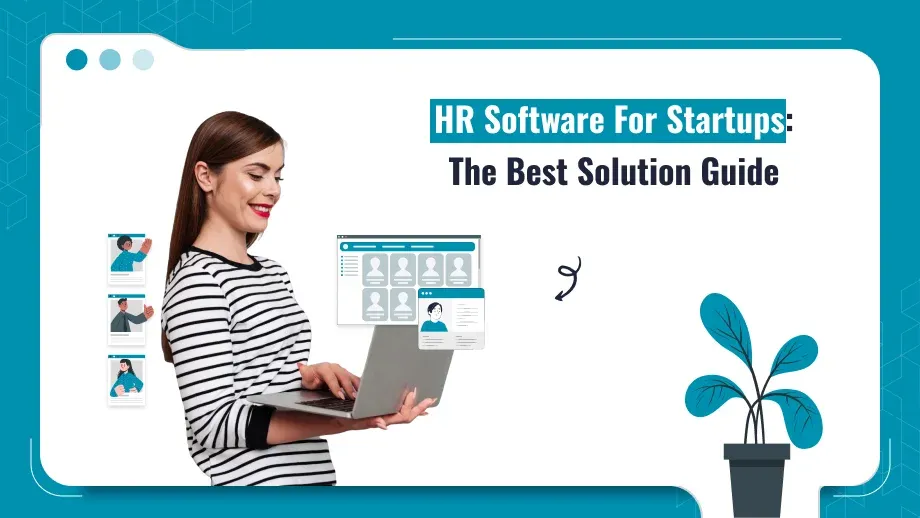
Startups often face a unique set of challenges when it comes to managing human resources. These challenges arise from their need to build a strong team quickly while maintaining a lean operation. Selecting the right HR software is crucial for startups, as it directly impacts their ability to attract, retain, and develop talent amidst rapid growth and constant change.One of the primary difficulties startups encounter is limited resources, both in terms of budget and manpower.
Many startups operate with small teams where HR duties may fall on individuals who have other responsibilities as well. This multifaceted role can lead to inefficiencies if not managed properly. Another challenge is the dynamic nature of startups, where roles and requirements can shift rapidly, making it essential for HR software to be adaptable and user-friendly.
Importance of Scalability in HR Software for Growing Businesses
Scalability is a critical factor for startups when selecting HR software. As startups grow, their HR needs evolve, requiring systems that can expand alongside their business. Using software that cannot scale with the company can lead to disruptions in HR processes, affecting team morale and overall productivity. For instance, a startup may initially start with 10 employees and move to 50 within a year.
This rapid growth necessitates an HR system capable of handling increased employee data, recruitment processes, and performance management without requiring a complete overhaul. Startups should consider the following points regarding scalability:
- Flexibility to add or adjust features as the team grows
- Capacity to integrate with other software tools as needed
- Ability to handle increased data without performance issues
- Support for multiple languages and compliance with international regulations if expanding globally
Influence of Startup Culture on HR Software Requirements
Startup culture significantly shapes the HR software requirements. Many startups thrive on innovation, collaboration, and a strong sense of community. Therefore, it’s essential for HR solutions to foster these values by promoting engagement and communication among team members.Elements of startup culture that influence HR software choices include:
- Emphasis on a flexible work environment, requiring software that supports remote work management
- A flat organizational structure, necessitating tools that facilitate open communication
- A focus on employee development and feedback, guiding the need for performance management features
- Integration of social and collaborative tools to enhance team cohesion
Startups must select HR software that not only meets compliance needs but also aligns with their ethos and promotes a positive work culture. The right tools can empower teams, leading to increased productivity and engagement, which are vital for long-term success.
Key Features of HR Software That Benefit Startups
In the fast-paced world of startups, having the right HR software can make a significant difference. Startups often operate with limited resources, and they need tools that not only streamline processes but also enhance employee engagement. The right HR software should encompass features designed specifically to meet these unique needs, allowing startups to focus on growth and innovation.To effectively manage their human resources, startups benefit from various key features that simplify HR tasks and improve overall efficiency.
These features contribute to better hiring practices, employee retention, and a more engaged workforce.
Essential Features for Startups
The following features are essential for HR software tailored for startups, ensuring that they can efficiently manage their workforce:
- Applicant Tracking System (ATS): An ATS simplifies the hiring process by allowing companies to manage job postings, track applicants, and streamline communication. This feature reduces the time spent on recruiting and helps identify the best candidates quickly.
- Performance Management Tools: These tools help startups set clear performance expectations and provide feedback. They facilitate regular performance reviews, which are crucial for employee development and retention.
- Time and Attendance Tracking: Automating time tracking helps startups monitor employee hours, streamline payroll processes, and ensure compliance with labor laws, saving both time and money.
- Payroll Management: An integrated payroll system reduces errors and ensures timely payments, which is vital for maintaining employee satisfaction and trust.
- Reporting and Analytics: Comprehensive reporting features enable startups to analyze workforce data, aiding in informed decision-making regarding hiring, retention, and resource allocation.
Automation in Hiring Processes
Automation plays a pivotal role in saving time and resources during hiring processes. By utilizing automated tools, startups can significantly reduce the administrative burden associated with recruitment. This includes automated resume screening, interview scheduling, and follow-up emails. A study by the Society for Human Resource Management (SHRM) highlighted that organizations using automated hiring processes experience a 30% reduction in time-to-hire.
For startups, this means faster onboarding of talent, which is critical to maintaining momentum in a competitive environment.
“Utilizing automation in HR processes not only enhances efficiency but also improves the candidate experience, leading to higher acceptance rates.”
Employee Self-Service Portals
Employee self-service portals are a game-changer for startups looking to enhance user experience. These portals empower employees by providing them with direct access to their personal information, benefits, and payroll data. Self-service features allow employees to:
- Update personal details without HR intervention, reducing administrative workload.
- Access training materials and resources, fostering continuous development.
- Submit time-off requests, which simplifies the process for both employees and management.
By implementing self-service options, startups improve overall employee satisfaction and engagement, fostering a culture of autonomy and responsibility. This not only benefits the employees but also allows HR teams to focus on strategic initiatives rather than administrative tasks.
Cost Considerations for Startups When Choosing HR Software
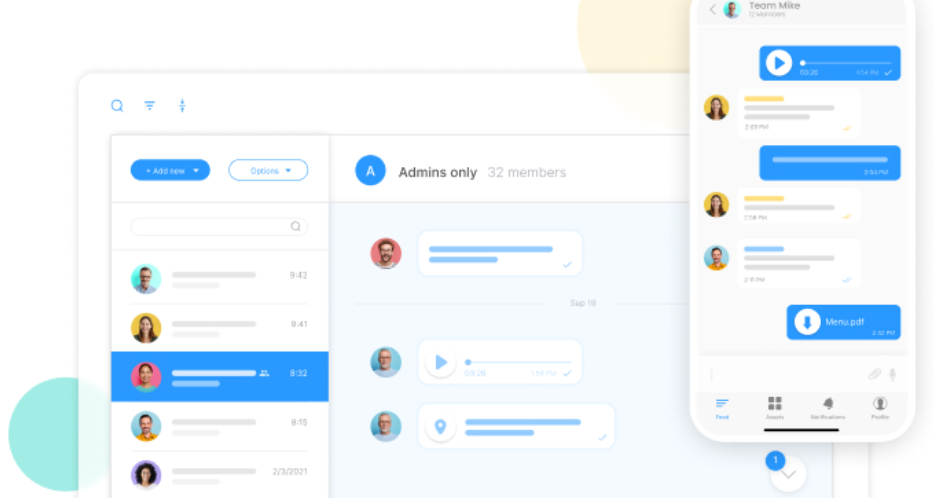
When it comes to selecting HR software, startups face unique financial challenges. Understanding the cost implications of various options is crucial for making an informed decision that aligns with both budget constraints and growth plans. This section will delve into the pricing models available, the long-term value of different solutions, and potential hidden costs that could impact a startup’s bottom line.
Pricing Models for HR Software Targeted at Startups
Startups can choose from several pricing models when selecting HR software. Each model offers different advantages and drawbacks based on the startup’s specific needs and growth trajectory. Here are some common pricing models:
- Subscription-Based Pricing: Many HR software solutions offer monthly or annual subscription plans. This model allows startups to pay a predictable fee, often with tiered pricing based on features or the number of users.
- Pay-Per-User Model: Some platforms charge based on the number of active users, making it suitable for startups with fluctuating workforce sizes. This can be cost-effective if the team is small or grows gradually.
- Freemium Model: Several HR tools provide basic features for free while charging for premium functionalities. This can be a great way for startups to test the software before committing to a paid plan.
- One-Time Purchase: A less common approach where a startup pays a single fee for lifetime access. This model may save money in the long run but can require a larger upfront investment.
With each of these models, startups need to consider their current financial situation and expected growth to choose the most suitable option.
Long-Term Value of Investing in Comprehensive HR Solutions
Investing in a comprehensive HR software solution can provide significant long-term benefits compared to basic tools. By opting for a robust platform, startups are often positioned to scale effectively as they grow. Here are some key advantages:
- Integration Capabilities: Comprehensive solutions often integrate with other business tools, streamlining processes and enhancing efficiency across departments.
- Advanced Features: These platforms typically offer advanced features such as performance management, analytics, and employee engagement tools that can lead to improved workforce productivity.
- Compliance Management: Comprehensive HR software often includes features designed to help startups stay compliant with labor laws and regulations, reducing the risk of costly penalties.
- Scalability: As a startup grows, comprehensive solutions can adapt to increased user numbers and additional functionalities without requiring a complete system overhaul.
Investing in a comprehensive solution may also yield higher return on investment (ROI) over time, making it a wise choice for startups focused on sustainable growth.
Potential Hidden Costs of HR Software, Best hr software for startups
While upfront costs are crucial, startups must also be aware of potential hidden costs associated with HR software. Understanding these can prevent unexpected budget overruns. Here are some hidden costs to consider:
- Implementation Fees: Many software providers charge for initial setup and configuration, which can vary significantly depending on the complexity of the system.
- Training Costs: Investing in training sessions for employees to effectively use the software can incur additional expenses, especially if external trainers are involved.
- Upgrade Costs: As new features are released, startups may need to pay for upgrades to access enhanced functionalities, which can add to annual expenses.
- Customer Support Fees: Some providers charge extra for premium support services, which could be essential for resolving technical issues quickly.
Being proactive in identifying and budgeting for these potential hidden costs can help startups manage their HR software investments more effectively and ensure long-term success.
Popular HR Software Solutions Tailored for Startups
For startups, navigating the HR landscape can be daunting, especially when it comes to selecting the right software. With unique challenges like limited resources and rapid growth, having a suitable HR software solution can streamline processes and foster collaboration. This segment covers some of the most popular HR software options specifically designed for startups, along with user feedback and a comparison of their features.
Top HR Software Options for Startups
Selecting the right HR software is crucial for managing employee records, payroll, and compliance in a startup environment. Below are some of the leading HR software solutions that cater to the needs of startups:
- Gusto: Gusto is a robust all-in-one HR platform that simplifies payroll, benefits, and hiring processes. It’s particularly well-suited for startups due to its user-friendly interface and affordable pricing.
- BambooHR: Designed for small businesses, BambooHR offers an intuitive design for employee management, tracking, and reporting. Its customization options are a hit among startups looking for flexibility.
- Zenefits: Zenefits streamlines HR tasks, focusing on benefits management and compliance. Startups appreciate its comprehensive features, including onboarding and employee engagement tools.
- Namely: Namely provides a personalized employee experience with features that cover the entire employee lifecycle. Startups find its customizable dashboard particularly useful for tracking HR metrics.
User Reviews and Testimonials
User feedback often highlights how these HR software solutions have positively impacted their operations. For example, Gusto users frequently praise its simplicity and efficiency in payroll processing, with one user stating, ”
Gusto has completely transformed our payroll system. It’s fast, reliable, and has saved us countless hours each month.
” BambooHR users also express satisfaction regarding its reporting capabilities, noting that it allows for easier decision-making. One startup founder remarked, ”
BambooHR has been a game-changer for us. The reporting features have helped us understand our workforce better.
”
Comparison of HR Software Features and Pricing
Understanding the features and pricing structures of various HR software solutions is essential for startups aiming to make an informed decision. The following chart summarizes the key attributes of these popular platforms:
| Software | Key Features | Pricing | Suitability for Startups |
|---|---|---|---|
| Gusto | Payroll, benefits, compliance, hiring | Starting at $39/month + $6/employee | Great for startups looking for an all-in-one solution |
| BambooHR | Employee management, reporting, time-off tracking | Contact for pricing | Ideal for small businesses needing customizable features |
| Zenefits | Onboarding, benefits management, compliance tools | Starting at $10/employee/month | Perfect for startups that prioritize benefits management |
| Namely | Customizable dashboard, performance management, payroll | Contact for pricing | Best for growing startups looking for tailored HR solutions |
Implementation Strategies for HR Software in a Startup Environment
Implementing HR software in a startup is a critical step that can significantly influence the company’s growth trajectory. A thoughtful approach ensures that the transition to new software is not only smooth but also optimally leverages the features designed to enhance HR processes. This guide explores best practices for a seamless implementation, the necessity of training and support, and highlights common pitfalls to avoid.
Best Practices for Seamless Implementation
To maximize the effectiveness of HR software during implementation, startups should embrace a few key strategies. The initial step is to involve all relevant stakeholders early in the process. Collaboration between HR, IT, and management teams helps ensure that the software meets the specific needs of the organization. An organized implementation plan should be created, outlining timelines, resources, and responsibilities.
The following best practices can further enhance the process:
- Conduct a Needs Assessment: Understand the specific HR requirements and workflows of your startup before selecting software.
- Choose User-Friendly Software: Opt for software that is intuitive and easy to navigate, reducing the learning curve for new users.
- Establish Clear Goals: Define what success looks like post-implementation to keep the team focused and motivated.
- Engage in Pilot Testing: Run a trial period with a small user group to identify any issues and gather feedback before a full rollout.
Importance of Training and Support
Training and ongoing support are crucial for the successful adoption of HR software. Users must feel confident in using the new system to fully realize its benefits. A robust training program can include various formats such as hands-on workshops, online tutorials, and user manuals. Startups should consider the following training strategies:
- Tailored Training Sessions: Customize sessions based on different roles within the company to address specific functionalities relevant to each group.
- Onboarding Resources: Provide access to comprehensive resources that users can refer to as they become familiar with the software.
- Continuous Learning Opportunities: Offer refresher courses and updates when new features are added to keep the team informed.
Additionally, having a dedicated support team available to troubleshoot issues enhances user confidence and can significantly reduce frustration during the transition.
Common Pitfalls to Avoid
Startups often encounter several challenges during the implementation phase that can hinder the successful adoption of HR software. Recognizing these pitfalls early can help teams navigate around them effectively.Some of the most common pitfalls include:
- Lack of Stakeholder Involvement: Failing to involve key stakeholders can lead to software misalignment with actual needs.
- Poor Change Management: Neglecting to guide employees through the change can result in resistance and low adoption rates.
- Underestimating Time and Resources: Implementation can take longer and require more resources than initially anticipated, leading to project overruns.
- Inadequate Testing: Skipping comprehensive testing phases can lead to unresolved issues that affect usability and performance.
By being aware of these pitfalls and actively working to avoid them, startups can better position themselves for a successful HR software implementation, ensuring that the chosen solution effectively supports their growth and operational goals.
Measuring the Success of HR Software Implementation in Startups: Best Hr Software For Startups
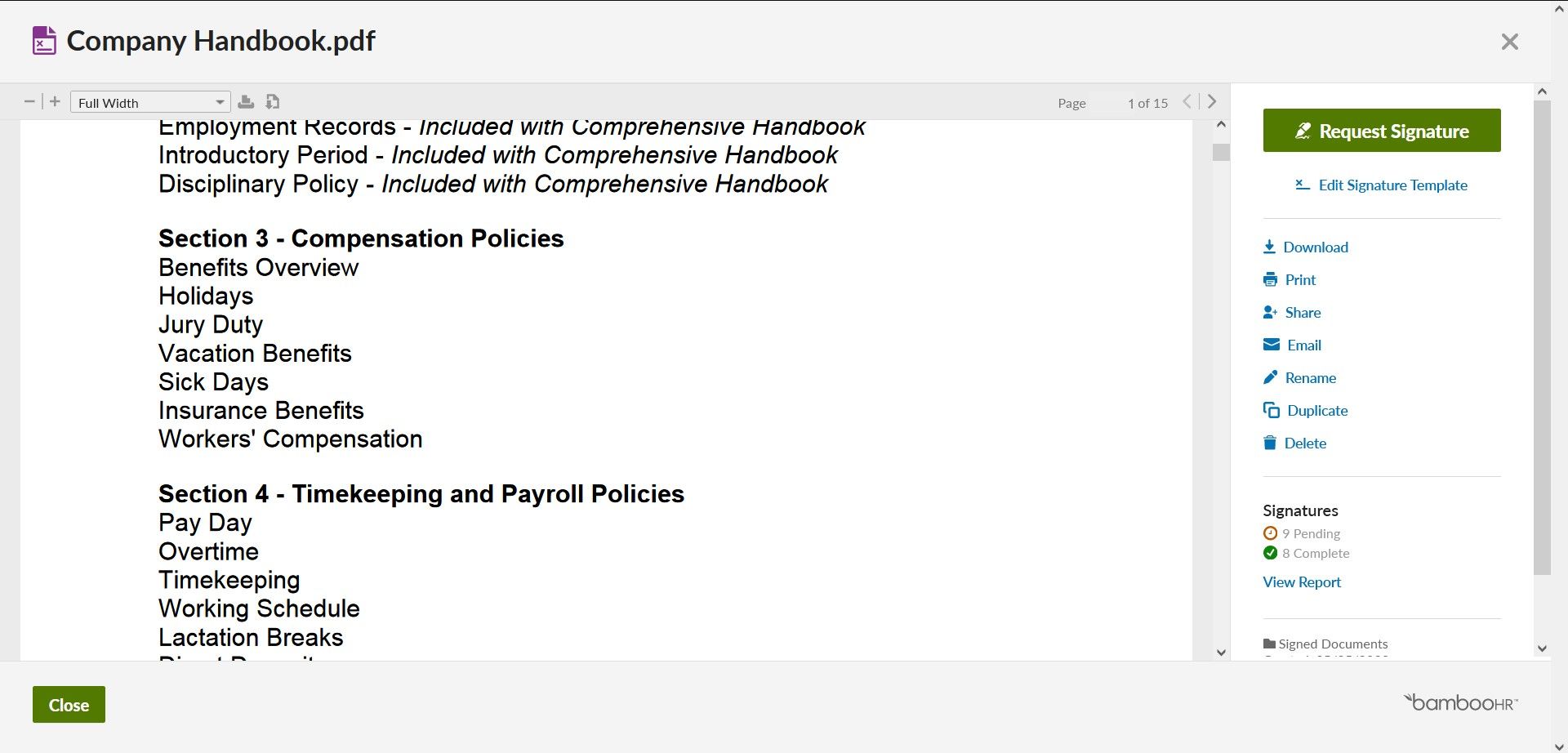
Implementing HR software in a startup environment is a significant step toward enhancing operational efficiency and improving employee experiences. However, simply installing the software isn’t enough; understanding its effectiveness is crucial. Startups must actively measure the success of their HR software implementation to ensure it meets their unique needs, maximizes productivity, and fosters a positive workplace culture.To evaluate the effectiveness of HR software, startups can utilize several key metrics.
These metrics not only provide insights into the software’s performance but also highlight areas for potential improvement and adaptation to the evolving needs of the organization.
Key Metrics for Evaluating HR Software Effectiveness
Monitoring specific metrics allows startups to gauge the impact of their HR software. Here are some essential metrics to consider:
- Employee Turnover Rate: High turnover can indicate issues with employee satisfaction or engagement, which may relate to HR processes. Tracking this metric helps identify if the software contributes to retaining talent.
- Time to Hire: This metric measures the efficiency of the recruitment process. A significant decrease in time to hire post-implementation suggests that the HR software is streamlining recruitment efforts.
- Employee Satisfaction Scores: Conducting regular employee surveys to capture satisfaction levels provides direct feedback on how HR software affects the workplace environment.
- Compliance Metrics: For startups in regulated industries, tracking compliance with labor laws and regulations is vital. Efficient HR software should facilitate better compliance management.
- Training Completion Rates: Monitoring how quickly employees complete training programs can indicate the effectiveness of the learning management features within the HR software.
Gathering feedback from employees is essential for making necessary adjustments and improvements to the HR software. Regularly soliciting opinions through surveys or feedback sessions helps startups understand user experiences, frustrations, and suggestions for enhancement.
Importance of Employee Feedback
Employee feedback serves as a valuable resource for refining HR software use. Feedback should focus on aspects such as usability, accessibility, and features that employees find beneficial or cumbersome. This input can be instrumental in informing software updates, customization options, and training needs.
“Listening to employees not only drives improvements in HR processes but also fosters a culture of openness and collaboration.”
There is a direct relationship between HR software utilization and employee satisfaction. When HR software is user-friendly and meets employee needs, satisfaction levels typically rise. Employees appreciate tools that simplify processes like leave requests, performance evaluations, and communication with HR. To enhance this relationship, startups must ensure that the software is tailored to their workforce’s preferences and needs, promoting a seamless user experience.By focusing on these metrics and actively engaging with employees about their experiences, startups can effectively measure the success of their HR software implementation and make informed decisions for ongoing improvements.
Future Trends in HR Software That Startups Should Watch
As the landscape of business continues to evolve, startups must stay ahead of the curve by adopting HR software that meets emerging trends. The future of HR software is being shaped by advancements in technology, changing work environments, and an increased focus on data analytics. Understanding these trends can provide startups with a competitive advantage in managing their human resources effectively.
Emerging Technologies in HR Software
The integration of cutting-edge technologies into HR software is transforming how startups manage their workforce. Key emerging technologies include artificial intelligence (AI), machine learning, and automation. These technologies streamline recruitment processes, enhance employee engagement, and optimize performance management.
Artificial Intelligence
AI assists in talent acquisition by analyzing resumes and predicting candidate success. Startups can use AI-driven chatbots to handle initial inquiries from candidates, reducing the time spent on administrative tasks.
Machine Learning
This technology helps in personalizing employee training programs based on individual performance and learning styles, leading to improved skill development.
Automation
Automating repetitive tasks, such as payroll processing and benefits enrollment, allows HR teams to focus on strategic initiatives rather than mundane operations.
Impact of Remote Work on HR Software Features
The rise of remote work has significantly influenced HR software features and capabilities, necessitating tools that support distributed teams. Startups need software that facilitates collaboration, communication, and performance tracking in a virtual environment.
Collaboration Tools
HR software should include integrated communication platforms to enhance team collaboration, ensuring that employees remain connected regardless of their physical location.
Performance Management Systems
These systems enable startups to set clear expectations and track employee performance remotely, ensuring accountability and engagement.
Employee Wellness Programs
Features that promote mental well-being and work-life balance are critical. Startups can incorporate wellness tracking tools to support their remote workforce.
Importance of Data Analytics in Future HR Software Solutions
Data analytics is becoming integral to HR software, empowering startups with insights that drive decision-making. By leveraging data, startups can identify trends in employee performance, turnover rates, and recruitment effectiveness.
Predictive Analytics
This allows companies to foresee potential attrition and implement retention strategies proactively. For example, analyzing employee engagement survey results can highlight areas needing improvement.
Talent Management Insights
Startups can utilize data analytics to refine their talent acquisition processes by understanding which recruitment sources yield the highest quality candidates.
Benchmarking
HR software equipped with analytics tools can compare organizational performance against industry standards, enabling startups to identify gaps and opportunities for improvement.
The integration of data analytics not only enhances HR operations but also aligns workforce strategies with business goals.
Final Review
In conclusion, selecting the best HR software for startups is a critical step towards ensuring smooth operations and effective team management. By focusing on the features that cater to unique startup challenges and considering future growth, businesses can invest wisely in solutions that pave the way for success in an ever-evolving workplace.
FAQ Summary
What should startups look for in HR software?
Startups should prioritize scalability, automation, and user-friendly interfaces in HR software to support their growth and efficiency.
How much should startups expect to spend on HR software?
The cost of HR software can vary widely; startups should consider budget-friendly options while evaluating long-term value and hidden costs.
Is employee training necessary for new HR software?
Yes, proper training is crucial for maximizing the software’s potential and ensuring all team members can utilize its features effectively.
How can startups measure the success of their HR software?
Success can be measured through employee feedback, utilization metrics, and improvements in HR processes and satisfaction.
What are some common pitfalls in implementing HR software?
Common pitfalls include inadequate training and support, failing to consider employee input, and not aligning the software with organizational needs.